



What's Happening?
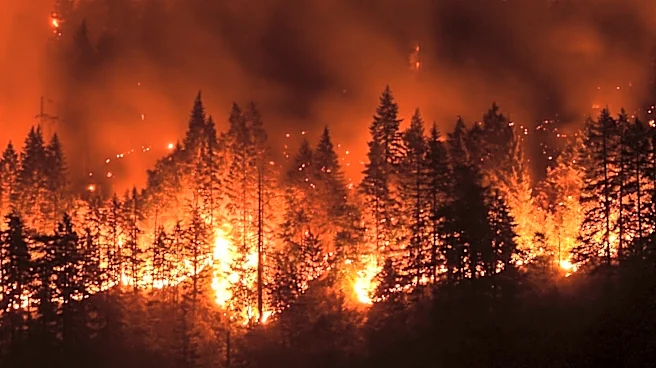
NASA is initiating a series of suborbital Earth Venture missions aimed at addressing various environmental challenges across the United States. These missions will involve hundreds of scientists and pilots from NASA, the U.S. Navy, universities, and other
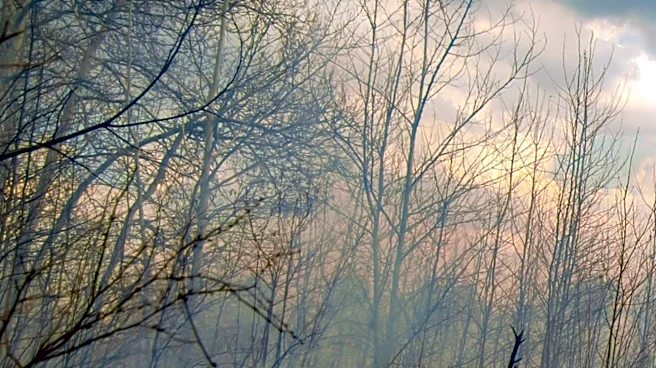
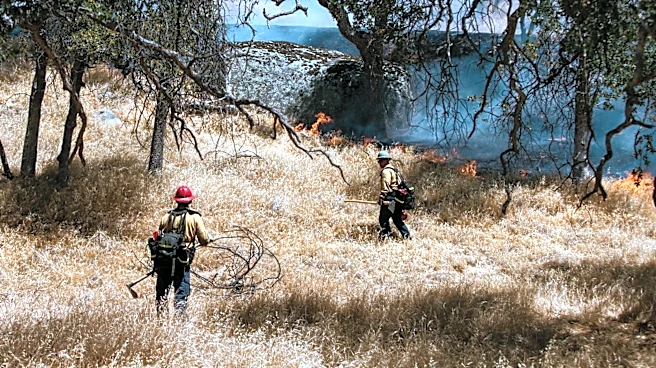
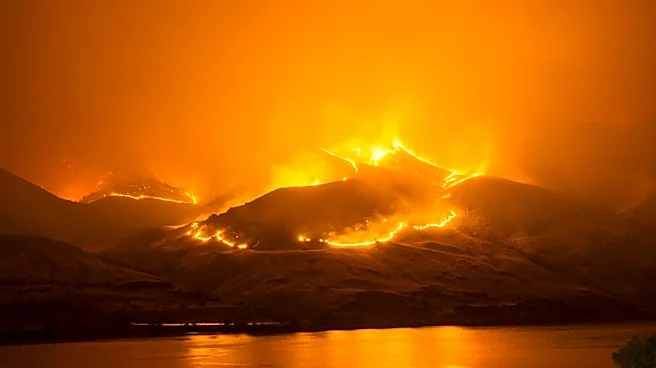
institutions. The projects will utilize sensors mounted on aircraft to collect data that bridges the gap between ground-based instruments and satellites. The first mission, INSPYRE, will study 'fire clouds' generated by extreme wildfires. Other missions will focus on agricultural emissions, air quality in major cities, and the rapid changes occurring in the Arctic. These efforts are part of NASA's broader strategy to enhance understanding and forecasting of environmental phenomena.
Why It's Important?
These missions are crucial for improving the understanding of environmental issues that have significant impacts on public health, climate change, and natural disaster preparedness. By collecting detailed data on phenomena such as wildfires, agricultural emissions, and Arctic changes, NASA aims to provide valuable insights that can inform policy decisions and mitigation strategies. The data collected will help improve weather forecasting, urban planning, and environmental protection efforts. The missions also highlight the importance of collaboration between government agencies, academic institutions, and local communities in addressing complex environmental challenges.
What's Next?
As these missions progress, NASA will continue to analyze the data collected to refine models and improve predictions related to environmental changes. The findings are expected to influence future research priorities and funding allocations. Additionally, the collaboration with local and tribal communities in the Arctic will ensure that the research addresses the needs and priorities of those most affected by environmental changes. The success of these missions could lead to the development of new technologies and methodologies for studying and mitigating environmental impacts.