





What's Happening?
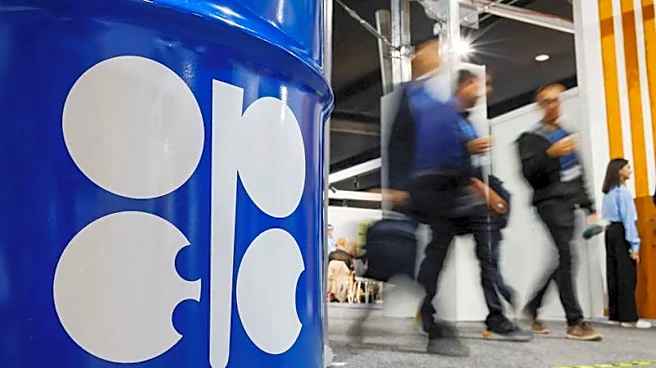
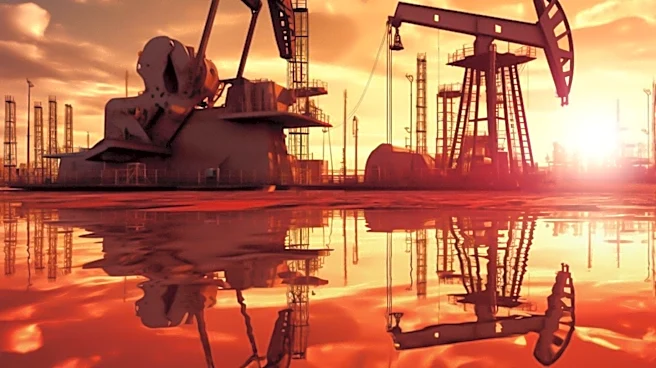
Seven members of the OPEC+ alliance, including Saudi Arabia, Russia, and Iraq, have agreed to increase oil production starting in August. This decision was made during a virtual meeting and involves raising the combined oil output by 188,000 barrels per
day. The move is part of a gradual rollback of production cuts that were introduced in 2023. The decision comes as global energy markets are showing signs of recovery following recent geopolitical tensions, particularly involving the United States, Israel, and Iran. This marks the fifth consecutive monthly production boost by these countries.
Why It's Important?
The increase in oil production by OPEC+ is significant as it aims to stabilize global energy markets that have been affected by geopolitical tensions. The decision could help in balancing oil prices, which have been volatile due to conflicts involving major oil-producing regions. For the U.S., this development may impact domestic energy prices and influence economic conditions, particularly in sectors reliant on oil. Additionally, the move reflects the ongoing strategic adjustments by oil-producing nations to manage supply and demand dynamics in the face of international conflicts.
What's Next?
The increase in oil production is expected to continue influencing global oil prices and market stability. Stakeholders, including governments and energy companies, will likely monitor the impact of this decision on oil prices and adjust their strategies accordingly. The geopolitical situation, particularly in the Middle East, will remain a critical factor in future production decisions by OPEC+ members. Further diplomatic efforts may be necessary to address underlying tensions that could affect energy markets.