





What's Happening?
U.S. Representative Sydney Kamlager-Dove (D-CA-37) recently participated in Congressional Black Caucus (CBC) Week in Washington, D.C., where she emphasized the critical importance of economic power and investment in Black institutions. During a gathering
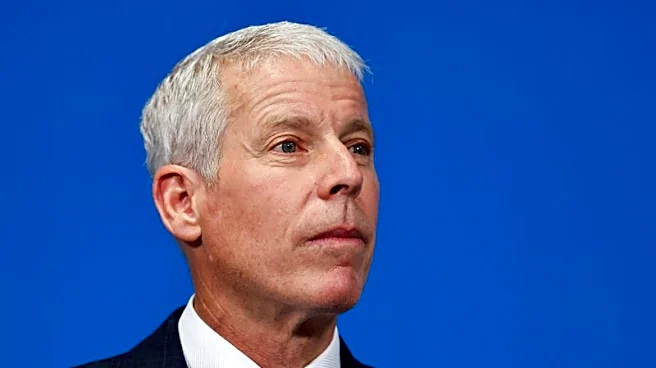
titled 'Rooted and Ready: Building the Coalition to Protect Black Futures,' Kamlager-Dove asserted that discussions about economic stability are inseparable from Black progress. She highlighted the need for Black communities to openly address financial matters and economic development, moving past any historical reluctance to discuss wealth. The event, presented by the Aya Education Coalition and Sierra Health Foundation, brought together various California leaders to discuss strategies for strengthening Black communities through sustained investment in institutions that preserve Black history, culture, and independent voices, including Black-owned media, bookstores, and museums. Other speakers, such as Sierra Health Foundation President and CEO Chet P. Hewitt and U.S. Representative Lateefah Simon (D-CA-12), echoed these sentiments, stressing that prosperity for Black people represents an opportunity, not merely a service.
Why It's Important?
This initiative is important because it directly addresses systemic economic disparities affecting Black communities in the U.S. By advocating for open discussions about money and economic development, Representative Kamlager-Dove and other leaders are pushing for policies and investments that can lead to tangible improvements in financial stability, education, and overall well-being. Strengthening Black institutions, as highlighted by Sierra Health Foundation CEO Chet P. Hewitt, is crucial for preserving cultural heritage, fostering intellectual growth, and ensuring that Black communities have the resources to tell their own stories and build sustainable futures. The focus on the Black educator pipeline, for instance, underscores the long-term impact of investing in education to break cycles of disadvantage. This collective effort aims to build a robust economic foundation that can withstand external pressures and provide lasting benefits, impacting not only individual families but also the broader U.S. economy by fostering a more equitable and prosperous society.
What's Next?
The discussions and advocacy from CBC Week are expected to translate into continued legislative efforts and community-based initiatives aimed at bolstering Black economic power. The Aya Education Coalition, for example, is actively working towards a 2030 goal to strengthen California’s Black teacher pipeline, focusing on recruitment, preparation, retention, and support. This suggests a sustained push for policy changes and funding allocations at both state and federal levels to support Black-led organizations and educational programs. Major stakeholders, including political leaders, philanthropic organizations, and community groups, are likely to continue collaborating to identify and invest in Black institutions at risk. The emphasis on economic development and financial literacy will likely lead to more programs designed to help Black families achieve economic stability, pay for childcare, care for aging relatives, fund college education, and build savings. The ongoing dialogue aims to ensure that the momentum generated during CBC Week translates into concrete, long-term strategies for economic empowerment.
Beyond the Headlines
Beyond the immediate policy implications, this movement carries significant ethical and cultural dimensions. The call to overcome the 'shame' associated with discussing money within Black communities touches upon historical narratives of economic oppression and systemic barriers that have often discouraged wealth accumulation and financial transparency. By openly addressing these issues, leaders are not only advocating for economic policies but also working to dismantle psychological and cultural impediments to financial empowerment. The emphasis on investing in Black-owned media, bookstores, and museums highlights the critical role of cultural institutions in shaping identity, preserving history, and fostering community resilience. This holistic approach recognizes that true progress extends beyond mere financial metrics, encompassing the restoration of dignity, self-determination, and cultural pride. The long-term shift could lead to a more robust and self-sufficient Black economy, fostering greater equity and representation across all sectors of American society.