



What's Happening?
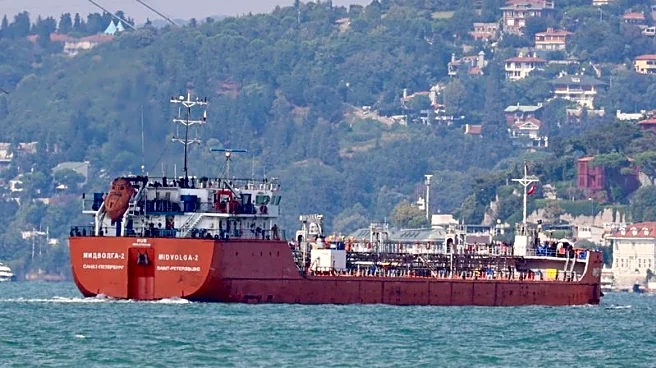
Oil prices rose in early Asian trading on Monday following the U.S. interception of a Venezuelan oil tanker over the weekend. The U.S. is reportedly pursuing another tanker, marking the third such operation in less than two weeks. The intercepted tankers
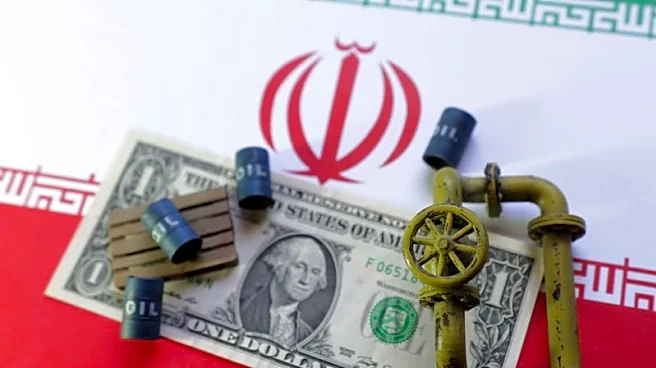
are believed to be operating on the black market, providing oil to sanctioned countries. U.S. West Texas Intermediate crude saw a price increase of 34 cents, reaching $56.86 per barrel. The operations are part of a broader U.S. strategy to enforce sanctions against Venezuela and curb illegal oil trade.
Why It's Important?
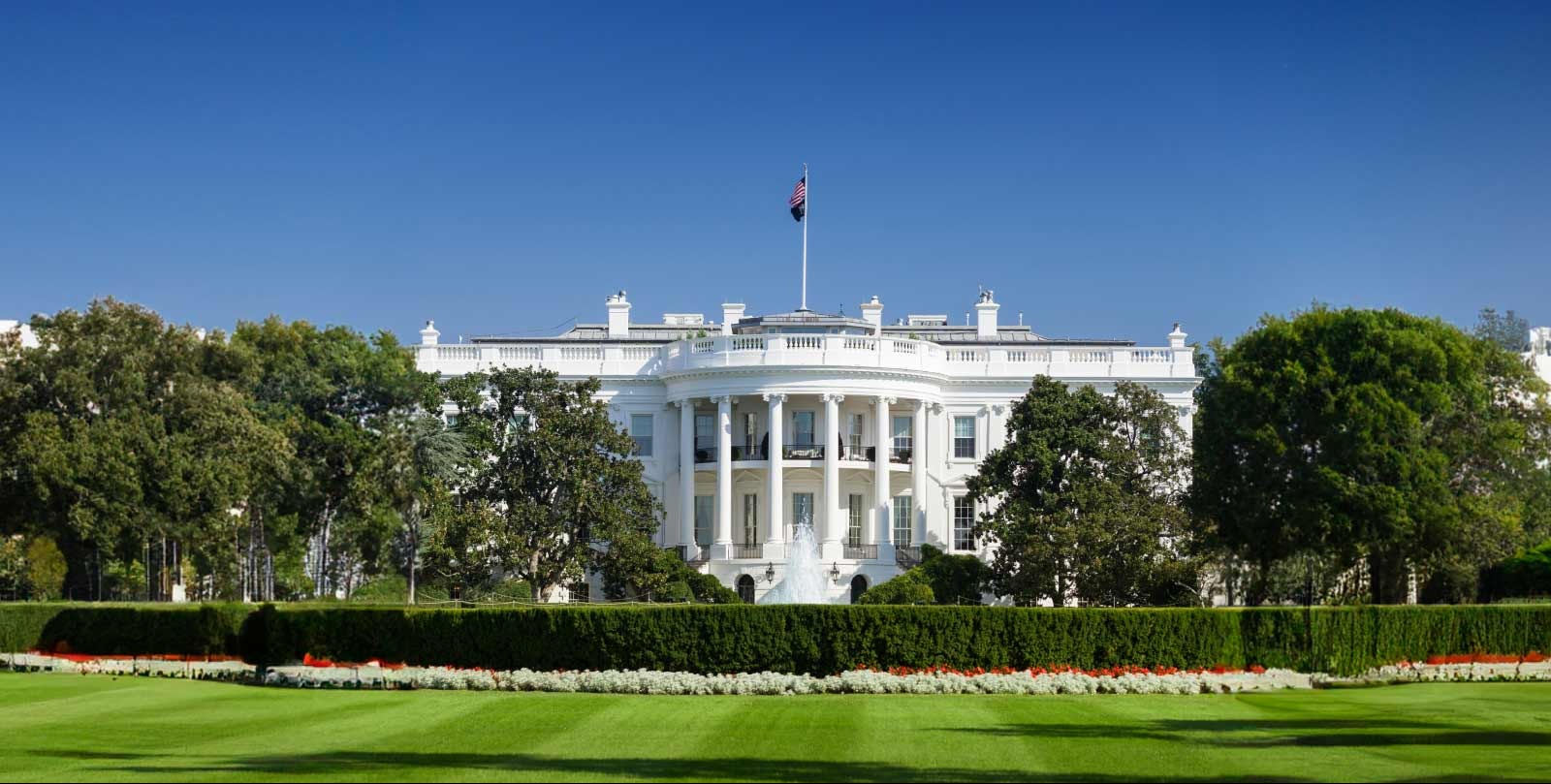
The interception of Venezuelan oil tankers by the U.S. highlights ongoing geopolitical tensions and their impact on global oil markets. These actions are part of the U.S. government's efforts to pressure the Venezuelan government by targeting its oil exports, a critical revenue source for the country. The operations could lead to increased volatility in oil prices, affecting global markets and potentially influencing energy costs for consumers. The situation underscores the interconnectedness of international politics and economic stability, with potential implications for U.S. foreign policy and energy strategy.
What's Next?
The U.S. is likely to continue its enforcement actions against Venezuelan oil exports, which may lead to further interceptions and potential diplomatic tensions. The situation could prompt responses from other countries involved in the Venezuelan oil trade, potentially affecting international relations. Additionally, the impact on oil prices may influence discussions on energy policy and the need for diversified energy sources to mitigate market volatility.