








What's Happening?
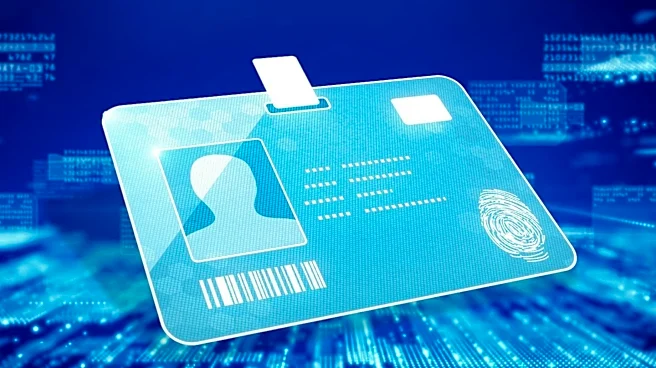
Norway is examining the potential societal impact of digital identity wallets, which are anticipated to become a critical socio-technical infrastructure within the country. A PhD position in Sociology at the Norwegian University of Science and Technology
(NTNU) has been established to research the security culture, trust, and societal implications in the age of digital identity. This research is part of a larger interdisciplinary project titled 'Cryptology and social life: Sovereignty, security and society meet digital wallets.' The project aims to develop knowledge and methodologies to ensure that Norway can deploy and maintain secure, privacy-preserving, and democratically aligned digital identity wallets. The study will investigate how these technologies shape perceptions and practices in the emerging digital society, including the cultural foundations of risk perceptions and security practices, utilizing ethnographic methods such as empirical case studies, qualitative interviews, observations, and document analysis.
Why It's Important?
The integration of digital identity wallets in Norway represents a significant shift in how citizens will interact with public and private services, potentially impacting fundamental aspects of daily life, security, and governance. This research is crucial for understanding the broader societal implications beyond just technological implementation. It addresses critical concerns such as privacy, fairness, stakeholder engagement, and national security in an increasingly digital world. By examining these issues from a sociological perspective, Norway aims to proactively identify and mitigate potential challenges related to digital sovereignty, identity management, and the democratic control of critical digital infrastructures. The findings could inform public policy and technological development, ensuring that digital identity solutions are not only secure but also socially equitable and trustworthy for all citizens.
What's Next?
The PhD research project will proceed with in-depth studies into how digital identity wallets influence societal perceptions, trust, and security culture in Norway. This will involve extensive data collection through qualitative methods, analysis of findings, and academic writing. The project is expected to contribute to a deeper understanding of the interplay between technology, society, and governance in the context of digital identity. The insights gained will be disseminated through peer-reviewed publications and conferences, potentially influencing future policy decisions regarding the deployment and regulation of digital identity infrastructures in Norway. Collaboration within the interdisciplinary project 'Cryptology and social life' will continue, fostering a comprehensive approach to addressing the complex challenges posed by digital identity wallets.
Beyond the Headlines
The sociological examination of digital identity wallets in Norway delves into profound questions about individual autonomy, power dynamics, and the evolving nature of trust in a digital age. As critical infrastructures become increasingly reliant on foreign technology platforms, the project implicitly addresses concerns about national sovereignty and the ability to maintain democratic control and accountability over essential services. The research will explore how digital wallets, as 'cultural practices,' shape individuals' experiences and fundamental social concepts like freedom and control. This goes beyond mere technical security, touching upon the ethical dimensions of data ownership, algorithmic bias, and the potential for digital identity systems to either empower or constrain citizens, thereby influencing the very fabric of democratic society.