
What's Happening?
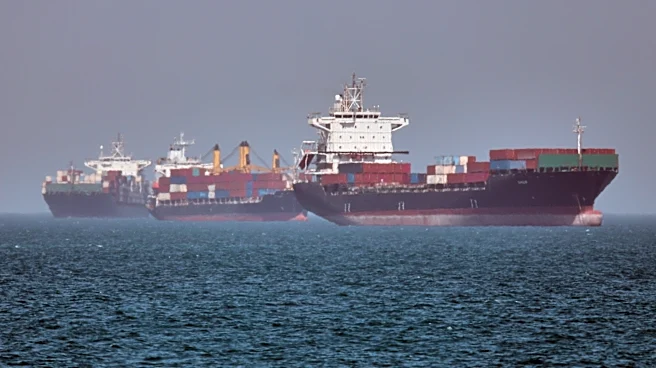
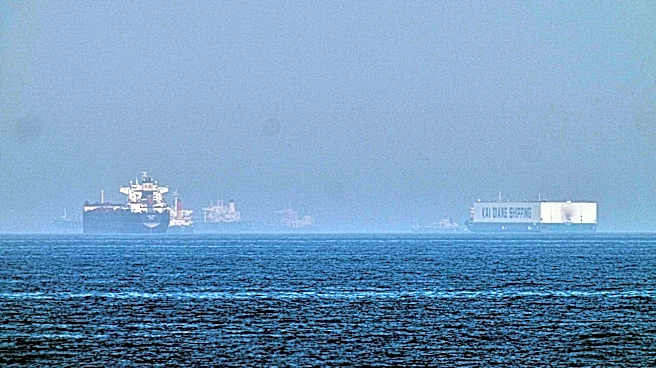
Geolocation data for ships in the Persian Gulf has shown anomalies, with vessels appearing to travel at improbable speeds and locations, indicating increased signal interference. This follows recent attacks
by Iran on neighboring countries, including missile and drone strikes. The UAE activated air defense systems in response to these attacks, marking the first such incident in nearly a month. Analysts suggest that electronic warfare systems may have been activated by Gulf countries, leading to disruptions in the Automatic Identification System (AIS) used for tracking ships. This interference complicates the analysis of real-time traffic data crucial for understanding energy flows in the region.
Why It's Important?
The interference in ship signals in the Persian Gulf has significant implications for global energy markets, as the region is a critical chokepoint for oil transportation. Disruptions in AIS data can hinder the ability to monitor and manage maritime traffic, potentially leading to increased risks of accidents or miscommunications. The heightened tensions and military responses could further destabilize the region, affecting global oil prices and supply chains. Stakeholders in the shipping and energy industries, as well as governments reliant on Gulf oil, are directly impacted by these developments.
What's Next?
Continued electronic interference and military actions could lead to further disruptions in maritime operations. Gulf countries may enhance their defensive measures, potentially escalating the conflict. International diplomatic efforts may intensify to de-escalate tensions and ensure the security of maritime routes. The situation requires close monitoring by global energy and security agencies to mitigate potential impacts on international trade and energy supplies.