


What's Happening?
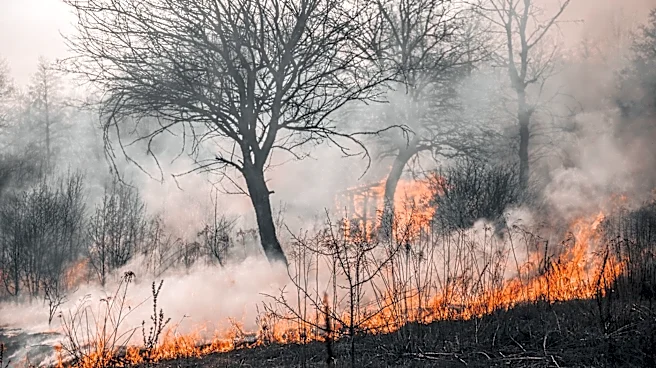
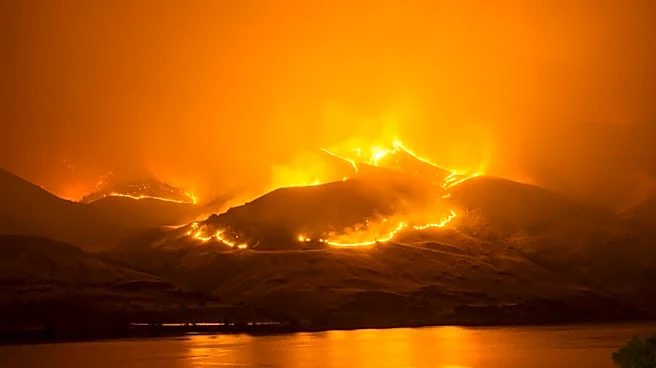
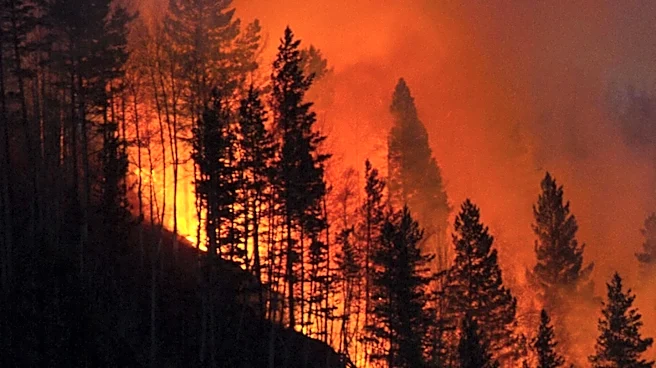
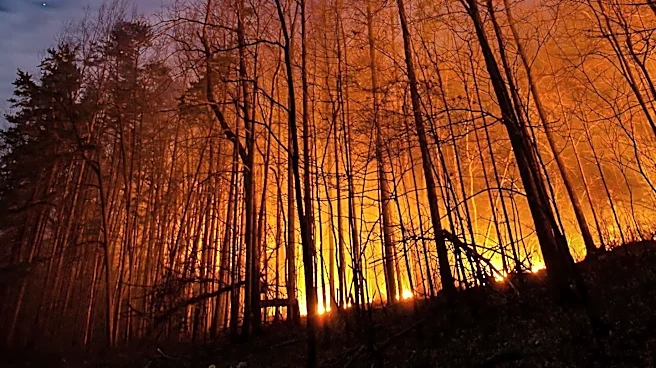
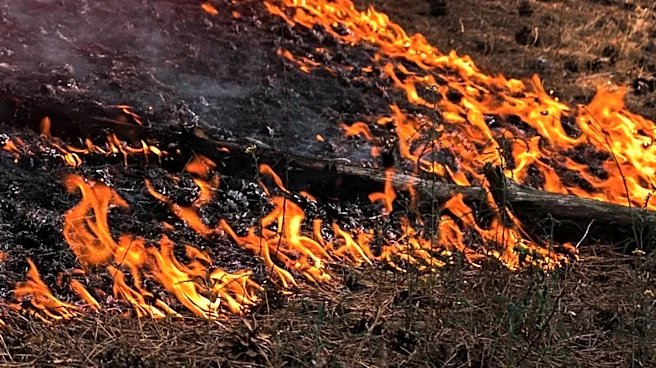
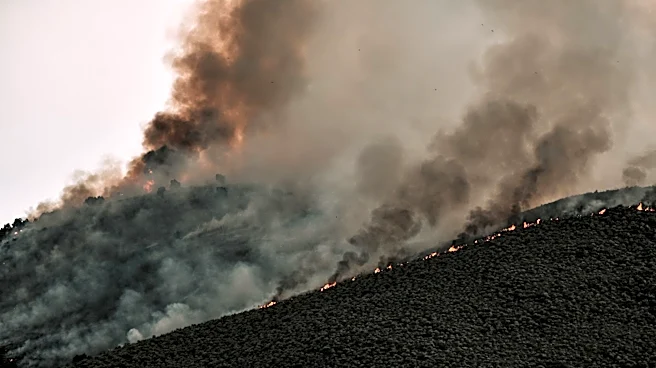
Governor Bob Ferguson of Washington has declared a statewide state of emergency due to severe drought conditions, high temperatures, and strong winds that have exacerbated wildfires across the state. The emergency proclamation includes a ban on most outdoor
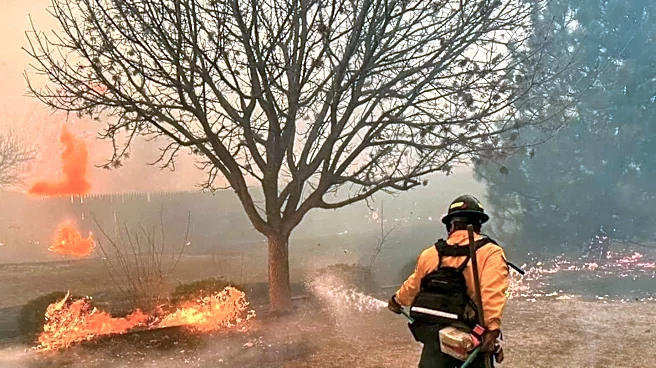
and agricultural burning until September 30, 2026. This decision comes as the National Weather Service issues a Red Flag Alert, indicating extreme weather risks in Eastern Washington. The Washington State Fire Marshal has mobilized 13 task forces to combat fires in Okanogan, Stevens, and Chelan counties, among others. The state is experiencing its fourth consecutive year of drought, with over 1,000 fires burning approximately 425,000 acres so far. The emergency declaration allows the state to access additional resources through the Emergency Management Assistance Compact.
Why It's Important?
The declaration of a statewide emergency highlights the severity of the wildfire situation in Washington, which poses significant risks to life and property. The ban on outdoor burning aims to prevent further fire outbreaks, crucial in a state already stretched thin with firefighting resources. The mobilization of the National Guard and additional task forces underscores the urgent need for manpower and equipment to manage the fires. This situation reflects broader climate challenges, as prolonged drought and high temperatures increase the frequency and intensity of wildfires, impacting local communities, ecosystems, and the economy. The emergency measures are vital to safeguarding public safety and mitigating environmental damage.
What's Next?
The emergency proclamation allows for the activation of more National Guard members if necessary, providing flexibility in response efforts. Residents are urged to comply with the burn ban and take precautions to prevent fire ignitions. The state will continue to monitor weather conditions and fire activity closely, adjusting strategies as needed. Local governments may impose stricter bans, and residents are advised to stay informed about local restrictions. The focus will remain on containing existing fires and preventing new ones, with ongoing assessments of resource needs and potential federal assistance.