





What's Happening?
Mainland Portugal is currently experiencing a significant heatwave, leading authorities to issue yellow weather alerts for 11 districts. The Portuguese Institute for Sea and Atmosphere (IPMA) has warned of exceptionally high maximum temperatures across
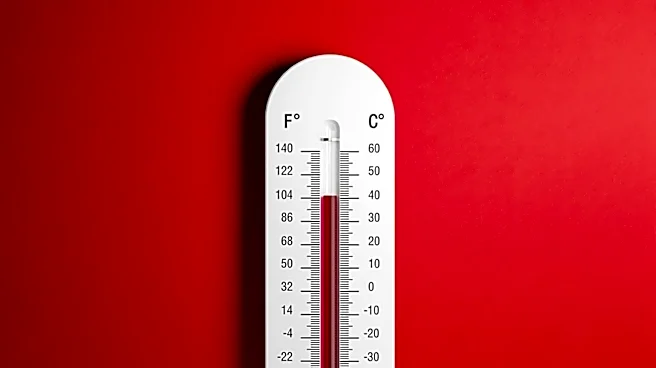
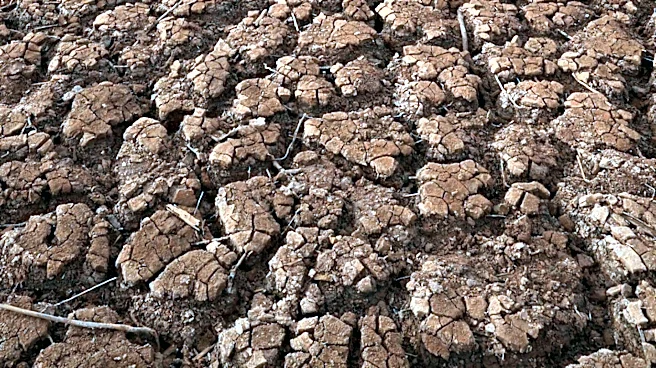
the country. The affected districts include Bragança, Viseu, Évora, Guarda, Vila Real, Setúbal, Santarém, Lisbon, Beja, Castelo Branco, and Portalegre. These alerts are active from Thursday morning until Friday evening. Temperatures are projected to range between 93°F and 100°F (34-38°C) across most of the territory, with interior regions south of the Serra da Estrela mountain range, such as the Tagus Valley, Beira Baixa, and Alentejo, expected to face extreme heat peaking between 104°F and 108°F (40-42°C). Coastal areas will see milder temperatures, between 77°F and 88°F (25-31°C). Additionally, meteorologists anticipate atmospheric dust from North Africa to cover the southernmost regions on Thursday. The rising temperatures are also rapidly drying out vegetation, elevating the risk of rural fires, with 30 municipalities already under a 'very high' fire danger rating.
Why It's Important?
The ongoing heatwave in Portugal highlights the increasing frequency and intensity of extreme weather events in Europe, which has broader implications for global climate patterns and preparedness. Such prolonged periods of high temperatures not only pose immediate health risks to vulnerable populations but also strain infrastructure, particularly energy grids and water resources. The heightened fire danger, affecting 30 municipalities, underscores the environmental and economic threat to natural landscapes, agriculture, and local communities. The need for robust emergency response systems and public awareness campaigns becomes critical in mitigating the impact of these events. The situation in Portugal is part of a larger trend across Mediterranean Europe, where extreme heat is beginning to reshape traveler perceptions and potentially impact the tourism industry, a significant economic driver for many of these nations. This shift could lead to changes in travel patterns and demand for cooler destinations, affecting local economies reliant on summer tourism.
What's Next?
The yellow weather alerts in Portugal are set to remain active until Friday evening, indicating that residents and authorities will continue to manage the immediate challenges posed by the extreme heat. The IPMA will likely monitor temperature developments and fire risks closely, potentially extending or escalating alerts if conditions worsen. Local municipalities, especially those under 'very high' fire danger ratings, will need to maintain heightened vigilance and deploy resources to prevent and combat wildfires. Public health advisories will continue to be crucial, urging residents to take precautions against heatstroke and dehydration. Looking ahead, the recurring nature of these heatwaves suggests a need for long-term strategies in Portugal and across Europe to adapt to a changing climate, including investments in resilient infrastructure, early warning systems, and sustainable land management practices to reduce fire risks. The tourism sector may also need to adapt its offerings and marketing to address evolving traveler expectations regarding summer climates.
Beyond the Headlines
The persistent heatwaves in Portugal and other parts of Europe underscore a deeper societal challenge related to climate change adaptation. Beyond the immediate concerns of public health and fire safety, these events highlight the vulnerability of traditional economic sectors, such as tourism, to environmental shifts. The changing perception of Mediterranean Europe as a summer destination due to extreme heat could trigger a re-evaluation of travel seasons and destinations, potentially leading to economic restructuring in affected regions. Furthermore, the phenomenon of Saharan dust reaching Europe, as predicted for Portugal, points to broader atmospheric changes and their interconnectedness across continents. This could have implications for air quality and respiratory health, adding another layer of complexity to public health responses. The need for international cooperation in climate research, early warning systems, and mitigation efforts becomes increasingly evident as these extreme weather patterns become more common, challenging existing societal norms and infrastructure.