


What's Happening?
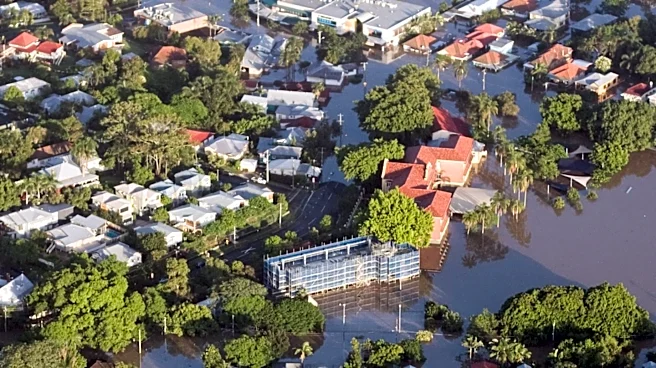
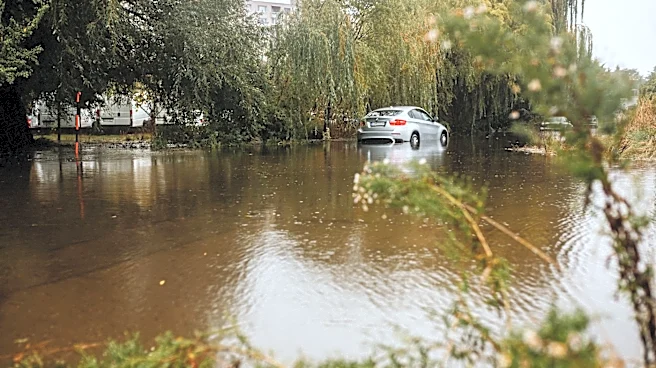
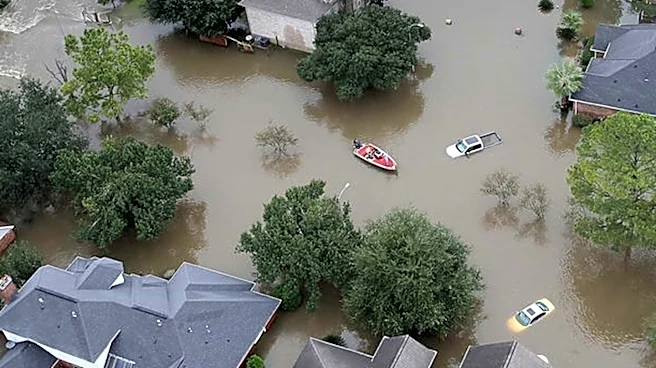
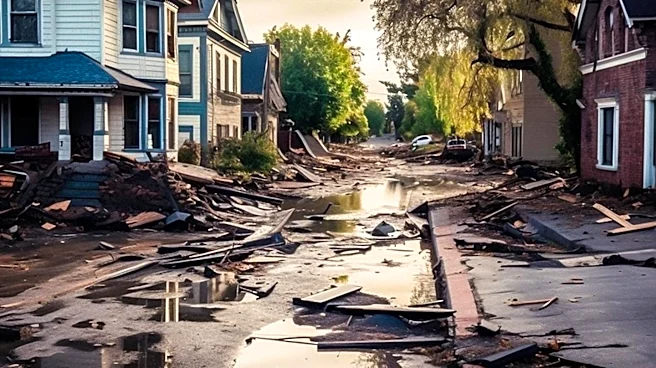
A Reynoldsburg neighborhood near Nocturne Road and Briarcliff Road experienced significant flash flooding on Thursday morning, leading to widespread property damage and necessitating water rescues. Residents reported that streets, yards, and driveways
were submerged, with some cars disappearing under water up to their roofs. Basements were flooded, destroying furniture and personal belongings. This event follows a recent tornado, adding to residents' distress. Water rescue crews were deployed for hours, successfully evacuating families and their pets to safety. This is not the first time this area has faced such severe flooding, with some residents recalling similar incidents in previous years, noting that the current situation is considerably worse.
Why It's Important?
This flash flooding incident highlights the increasing vulnerability of U.S. communities to extreme weather events, which can have significant economic and social impacts. For the affected residents in Reynoldsburg, the immediate consequences include extensive property damage, financial strain from repairs and replacements, and potential displacement. The repeated nature of such flooding in this specific area suggests underlying infrastructure or geographical challenges that may require long-term solutions. The need for continuous emergency response efforts also strains local resources. Beyond the immediate community, such events contribute to broader discussions about climate resilience, urban planning, and the allocation of resources for disaster preparedness and recovery across the nation.
What's Next?
As the floodwaters begin to recede, the immediate focus for the Reynoldsburg community will be on cleanup and damage assessment. Residents will face the daunting task of salvaging belongings, repairing homes, and navigating insurance claims. Local authorities and emergency services will likely continue to provide support and assistance during the recovery phase. There may be calls for investigations into the causes of the repeated flooding in this specific neighborhood, potentially leading to discussions about infrastructure improvements, such as enhanced drainage systems or flood barriers. Community leaders and residents may also explore long-term strategies to mitigate future flood risks and improve preparedness for extreme weather events.
Beyond the Headlines
The recurring flash flooding in Reynoldsburg underscores a growing national challenge related to climate change and its localized impacts. Beyond the immediate physical damage, such events can inflict significant psychological distress on affected communities, leading to long-term stress and anxiety about future occurrences. The incident also raises questions about urban development practices and whether current infrastructure is adequate to handle increasingly intense weather patterns. Ethically, there's a responsibility to protect vulnerable communities from environmental hazards, which may involve re-evaluating zoning laws, investing in green infrastructure, and ensuring equitable access to resources for disaster recovery. This event serves as a microcosm of the broader societal need to adapt to a changing climate and build more resilient communities.