





What's Happening?
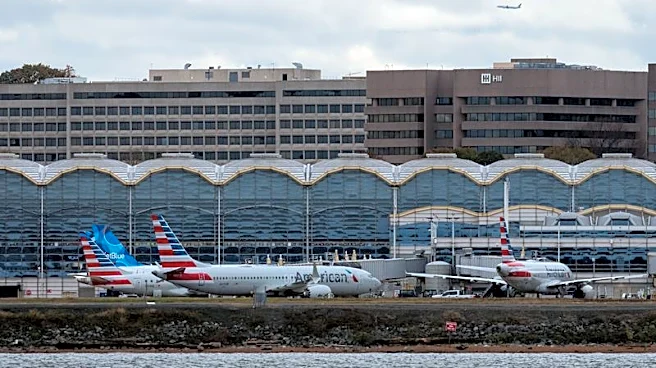
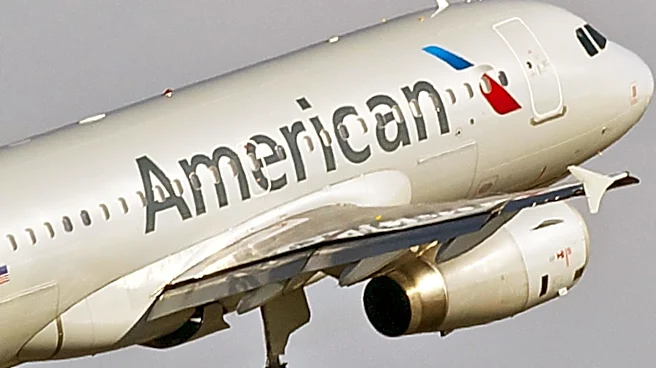
American Airlines and Southwest Airlines have outlined their respective policies for travelers wishing to fly with pets. For American Airlines, passengers must verify flight availability, pet restrictions, and travel conditions, ensuring their pet meets
eligibility criteria. This includes preparing an approved pet carrier and necessary documentation. Small pets are permitted in the cabin if their carrier fits under the seat. Southwest Airlines, on the other hand, imposes stricter limitations, restricting pets to specific destinations and requiring pets to meet certain age minimums. These airline policies are part of a broader trend in pet-friendly travel, which also sees an increase in pet-friendly hotels in locations such as Myrtle Beach, Destin, and São Paulo, as well as pet-friendly rental options in places like Anna Maria Island and Savannah, Georgia. The emphasis for travelers is on advance planning and adherence to specific airline and destination requirements to ensure a smooth journey with their animal companions.
Why It's Important?
The detailed pet travel policies from major U.S. airlines like American and Southwest reflect the increasing demand for pet-friendly travel options and highlight the complexities involved in integrating pets into commercial transportation. This trend impacts the travel and hospitality industries significantly, as businesses adapt to cater to pet owners. Airlines must balance passenger comfort and safety with the logistical challenges of accommodating animals, leading to varied restrictions and requirements. For pet owners, these policies dictate their travel choices and necessitate thorough preparation, including understanding carrier dimensions, health documentation, and destination-specific rules. The growth of pet-friendly accommodations in popular tourist destinations indicates a lucrative market segment, encouraging more businesses to offer services tailored to travelers with pets. This shift underscores a broader societal change where pets are increasingly viewed as integral family members, influencing consumer behavior and industry offerings.
What's Next?
As the demand for pet-friendly travel continues to grow, it is anticipated that airlines and the hospitality sector will further refine and expand their offerings. Travelers can expect ongoing updates to pet policies, potentially including new services or revised restrictions, as airlines seek to optimize operations and customer satisfaction. The industry may also see increased standardization of pet travel requirements across different carriers or destinations, simplifying the planning process for pet owners. Furthermore, the development of more specialized pet travel services, such as dedicated pet lounges at airports or enhanced in-flight amenities for animals, could emerge. For pet owners, staying informed about the latest regulations and planning well in advance will remain crucial for seamless travel experiences. The competitive landscape within the travel industry will likely drive innovation in pet-friendly services, aiming to capture this expanding market segment.
Beyond the Headlines
The evolution of pet travel policies extends beyond mere logistical adjustments, touching upon deeper societal and ethical considerations regarding animal welfare and inclusion. The varying restrictions among airlines and destinations highlight a lack of universal standards for pet transportation, which can create confusion and stress for pet owners. This situation also raises questions about the balance between animal rights and public health/safety concerns in shared spaces like aircraft cabins. The increasing integration of pets into travel plans reflects a cultural shift towards viewing pets as companions with needs akin to human family members, influencing urban planning, public space design, and even legal frameworks. As pet ownership continues to rise, the pressure on industries to accommodate animals responsibly will intensify, potentially leading to debates over animal comfort during travel, the environmental impact of pet-related services, and the ethical implications of commercializing animal companionship.