






What's Happening?
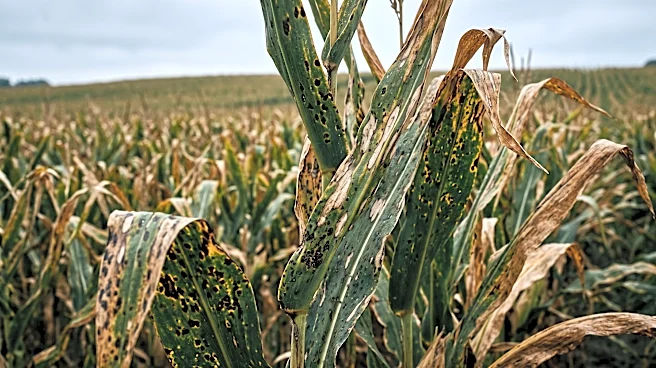
Ohio corn producers are currently grappling with significant challenges due to continuous rainfall and various crop diseases, including tar spot, gray leaf spot, and northern corn leaf blight. These diseases are causing premature death of corn plant leaves,
leading to faster-than-expected dry-down of the crop. This rapid drying can occur even before the corn reaches the traditional half to three-quarter milk line stage, which is typically used for making silage harvest decisions. The premature drying of corn silage poses a risk to proper fermentation, a crucial process for preserving forage. When silage becomes too dry, it is difficult to pack tightly, resulting in excess air pockets that increase oxygen exposure and lead to feed losses. This situation can cause spoilage, heating, mold growth, and a reduction in the nutritional value of stored feed, ultimately leading to economic losses for livestock producers. Recommended moisture levels for silage vary by storage type, with bunker silos ideally at 35% dry matter, upright concrete stave silos at 40%, steel sealed silos up to 45%, and silage bags around 40%. Exceeding these levels significantly increases the risk of spoilage.
Why It's Important?
The prevalence of tar spot, gray leaf spot, and northern corn leaf blight in Ohio cornfields has substantial implications for the U.S. agricultural sector, particularly for livestock operations that rely on corn silage as a primary feed source. The premature drying of corn due to these diseases directly impacts the quality and quantity of available feed, potentially leading to increased feed costs for dairy and other livestock farmers. Reduced feed quality can affect animal health and productivity, subsequently impacting the profitability of these operations. Furthermore, the need for careful management practices, such as maximizing packing density and minimizing oxygen exposure during storage, adds to the operational complexities and costs for producers. This situation highlights the vulnerability of agricultural yields to environmental factors and plant diseases, underscoring the importance of disease monitoring, timely intervention, and effective silage management strategies to mitigate economic losses and ensure food security within the U.S. agricultural supply chain.
What's Next?
In response to the challenges posed by corn diseases and premature drying, Ohio producers will need to prioritize vigilant monitoring of crop moisture levels and adjust harvest timing accordingly. Emphasis will be placed on implementing robust silage management practices, including maximizing packing density and ensuring effective sealing techniques to prevent air infiltration during storage. Agricultural extension services and experts, such as Jason Hartschuh from The Ohio State University, will likely continue to provide guidance on best practices for managing dry corn silage to protect feed quality. Research into disease-resistant corn varieties and improved fungicidal treatments may also gain traction to offer long-term solutions. Furthermore, livestock producers may need to explore alternative feed sources or adjust their feeding strategies if the quality and availability of corn silage are significantly compromised. The agricultural community will likely focus on sharing knowledge and strategies to adapt to these evolving crop challenges and minimize their economic impact.
Beyond the Headlines
The ongoing struggle with corn diseases like tar spot in Ohio points to broader implications for agricultural sustainability and resilience in the face of changing climate patterns. Increased rainfall and fluctuating weather conditions, which contribute to the proliferation of these diseases, suggest a need for more adaptive farming practices and potentially new crop insurance mechanisms. The economic burden on individual farmers, particularly those with livestock operations, could lead to consolidation within the industry or a shift in agricultural focus. Moreover, the reliance on corn as a staple crop for both human consumption and animal feed means that widespread issues like these could have ripple effects on food prices and the overall stability of the agricultural economy. This situation also underscores the critical role of agricultural research and development in creating more resilient crop varieties and innovative disease management solutions to safeguard future food production.