






What's Happening?
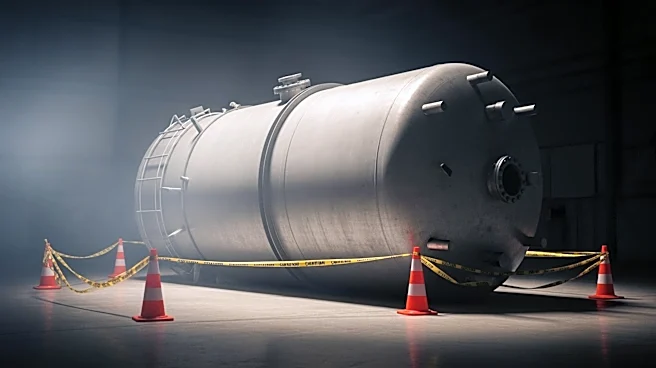
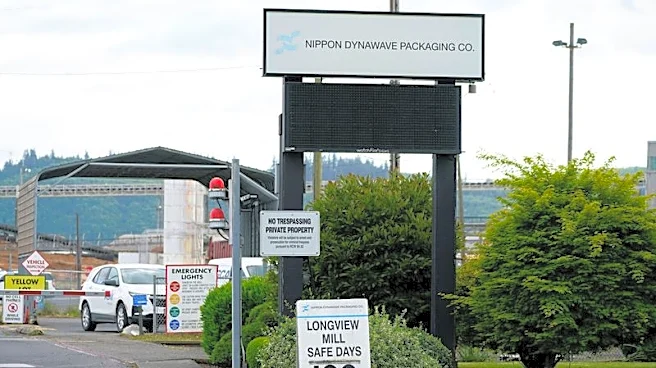
A catastrophic incident at the Nippon Dynawave paper mill in Longview, Washington, resulted in the deaths of 11 workers following the collapse of a chemical tank. The disaster, which occurred on a Tuesday morning, involved a tank containing over 500,000
gallons of a hazardous chemical mixture used in paper manufacturing. The Cowlitz County Coroner's Office confirmed the recovery of all victims, including brothers Tyler and Brad Covington, among others. The incident is one of the deadliest workplace accidents in recent U.S. history. State and federal agencies, along with the Environmental Protection Agency, are investigating the cause of the tank's failure.
Why It's Important?
This tragedy highlights significant safety concerns within industrial operations, particularly in facilities handling hazardous materials. The incident has drawn national attention, emphasizing the need for stringent safety protocols and regulatory oversight to prevent similar occurrences. The loss of life underscores the human cost of industrial accidents and the importance of workplace safety measures. The investigation's findings could lead to policy changes and increased scrutiny of safety practices in the paper manufacturing industry and other sectors dealing with dangerous substances.
What's Next?
As investigations continue, state and federal agencies are expected to release findings that could influence future safety regulations. The outcome may prompt legislative action to enhance safety standards in industrial settings. Families of the victims and the community await answers and potential accountability measures. Industry stakeholders may also review and update their safety protocols to prevent future tragedies.
Beyond the Headlines
The incident raises broader questions about the balance between industrial productivity and worker safety. It may lead to discussions on the ethical responsibilities of companies to ensure safe working environments. The tragedy could also impact the local economy, as the facility may face operational disruptions during the investigation and potential regulatory changes.