



What's Happening?
The International Crisis Group, an independent organization studying global conflicts, has issued a report warning that the presence of international troops and security forces in Haiti may not lead to a lasting reduction in violence without significant
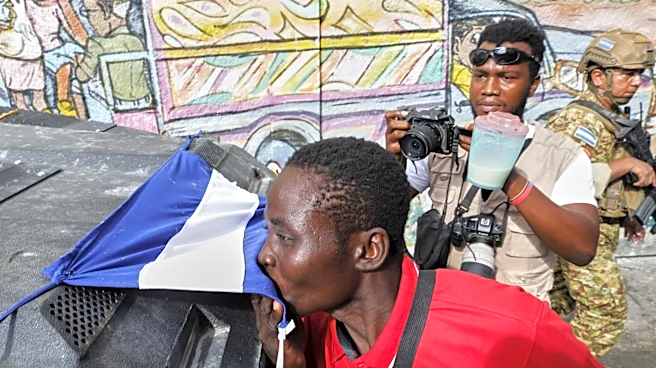
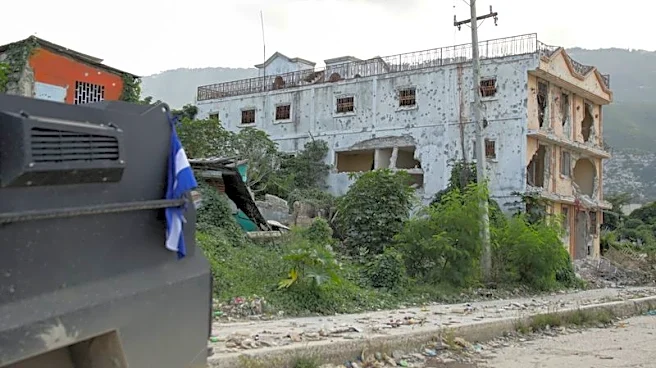
internal security reforms. The report highlights the deployment of a United Nations-authorized Gang Suppression Force, with approximately 2,000 personnel and plans to expand to 5,500 by early 2027. Additionally, El Salvador President Nayib Bukele has dispatched about 2,500 soldiers, largely operating outside the GSF's command structure, leading to uneven coordination among these groups. The Crisis Group's report, based on 110 interviews conducted between March and November 2026, examines Haiti's complex security landscape, noting a lack of an overarching security strategy and concerns about accountability and coordination among various domestic and international forces. The report also questions the heavy investment in rebuilding Haiti's armed forces, suggesting it might compete with police funding and militarize domestic law enforcement, rather than focusing on sustainable security solutions.
Why It's Important?
This report is crucial because it underscores the potential for a temporary solution to Haiti's gang violence without addressing the root causes and systemic weaknesses within its security apparatus. The lack of a cohesive national security strategy, coupled with uneven coordination among international and domestic forces, risks perpetuating instability. The warning against over-militarization and the potential for the army to compete with the police for resources highlights a critical policy dilemma for Haiti's government and international partners. Without fundamental reforms in the Haiti National Police, including addressing political interference, corruption, and inadequate training, any gains made by foreign forces could be short-lived. The report's emphasis on long-term planning for when international forces depart is vital to prevent a resurgence of violence and ensure Haiti can eventually manage its own security effectively, impacting the stability of the Caribbean region and potentially U.S. foreign policy interests.
What's Next?
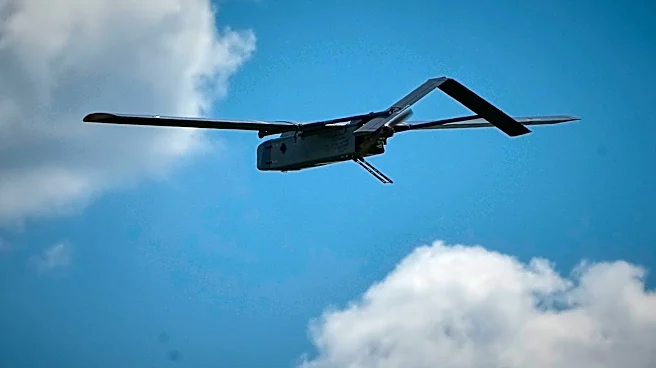
The International Crisis Group urges Haitian officials to develop a comprehensive plan to prevent the country from imploding once international forces withdraw. This includes establishing a functioning National Security Council to coordinate domestic and international efforts and creating a long-term security strategy. Recommendations also focus on professionalizing Haiti's security forces through improved working conditions, merit-based promotions, vetting processes, and stronger independent oversight. The report suggests setting clear boundaries for the deployment of drones and other lethal weapons and gradually phasing out foreign private security contractors. Haitian Justice Minister Patrick Pélissier's recent visit to El Salvador for discussions with Salvadoran officials indicates ongoing diplomatic engagement, though the bilateral agreement's details remain undisclosed. The immediate future will likely involve continued efforts by international forces to combat gangs, while the long-term effectiveness hinges on Haiti's commitment to implementing these internal security reforms and developing a sustainable national security framework.
Beyond the Headlines
Beyond the immediate security concerns, the report touches upon deeper implications regarding sovereignty, the role of private military contractors, and the ethical use of force. The presence of foreign contractors, some associated with Erik Prince, operating explosive drones raises questions about accountability, transparency, and civilian casualties, with the report noting dozens of bystander deaths. This highlights the complex ethical landscape of modern conflict intervention, where the lines between state and private actors can blur. Furthermore, the debate over rebuilding Haiti's army versus strengthening its police force reflects a broader tension between military solutions and community-based law enforcement in post-conflict or fragile states. The report implicitly calls for a re-evaluation of international aid strategies, suggesting that simply deploying troops without addressing governance, institutional capacity, and human rights within Haiti's security sector may lead to a cycle of dependency and continued instability, rather than genuine state-building.