
What's Happening?
A significant winter storm is sweeping across the northern United States, delivering a mix of heavy snow, ice, and blizzard conditions from the High Plains through the Great Lakes. The storm is expected to produce record or near-record snowfall in parts
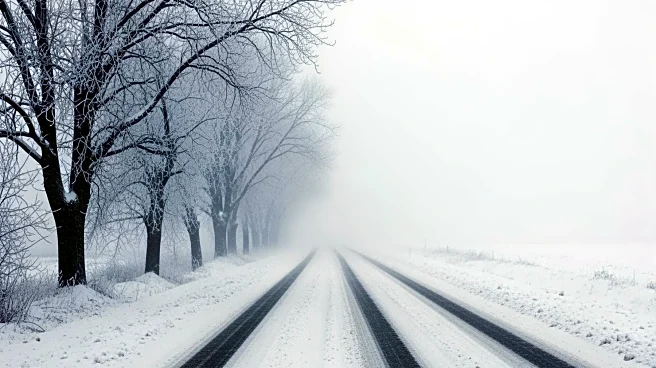
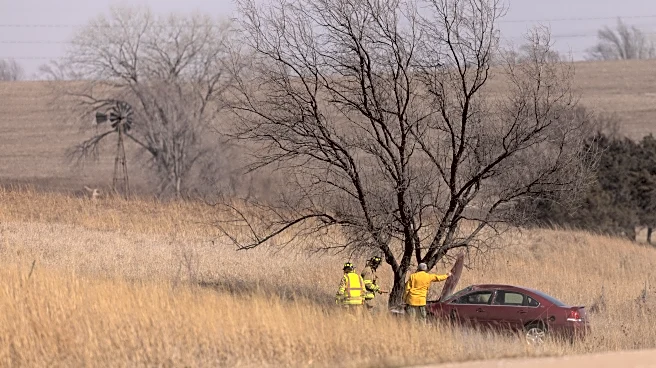
of the Upper Midwest, particularly affecting northern Wisconsin, the Upper Peninsula of Michigan, and portions of Minnesota. Snow totals in these areas could reach 2 to 4 feet in some high terrain locations. The storm is accompanied by strong winds, creating widespread blizzard conditions with near-zero visibility, making travel dangerous across a large portion of the region. The heaviest snowfall is anticipated on Sunday and Monday, with some areas experiencing snow rates of 1 to 3 inches per hour. The combination of heavy snow and gusty winds could lead to power outages, roof collapses, and long-lasting impacts on travel and daily life. Further south, parts of the Northern High Plains and central Midwest are experiencing a mix of snow, sleet, and freezing rain, with ice accumulations making roads slick.
Why It's Important?
The storm's impact is significant as it disrupts travel and daily activities across a large swath of the northern United States. The potential for record snowfall and blizzard conditions poses a threat to infrastructure, with the risk of power outages and structural damage from heavy snow loads. The storm also affects transportation, with hazardous road conditions likely leading to delays and cancellations. This weather event highlights the challenges of late-season winter storms and their ability to disrupt communities and economies. Residents in the affected areas must prepare for prolonged disruptions, and emergency services may be stretched thin as they respond to weather-related incidents.
What's Next?
As the storm progresses, residents in the affected areas are advised to stay indoors and avoid travel unless absolutely necessary. Emergency services and local governments are likely to focus on clearing roads and restoring power where outages occur. The storm's aftermath may require significant cleanup efforts, and communities will need to assess and repair any damage caused by the heavy snow and winds. Weather forecasts will continue to monitor the storm's path and provide updates on conditions, helping residents and authorities plan their responses.