







What's Happening?
South Africa has formally requested an exemption from proposed U.S. tariffs linked to an investigation into the enforcement of bans on imports made with forced labor. A delegation from South Africa's Department of Trade, Industry and Competition presented
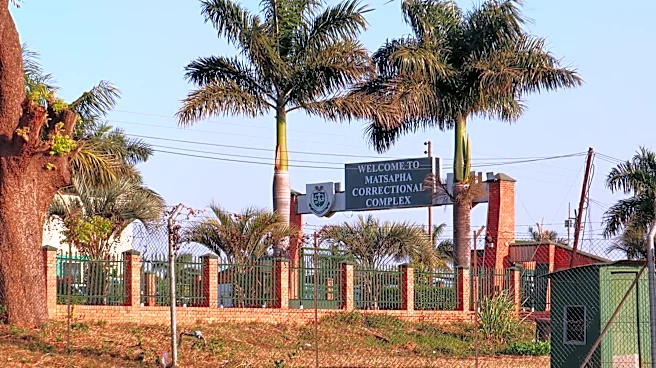
their case to the U.S. Trade Representative in Washington. The investigation, under Section 301, is assessing whether approximately 60 countries, including South Africa, are adequately enforcing bans on forced labor imports. South Africa emphasized its compliance with International Labor Organization conventions and its domestic laws that prohibit forced labor, including goods produced through prison labor. The delegation argued against the proposed 12.5% tariff on South African exports, highlighting that key exports such as platinum group metals, vehicles, citrus, seafood, wine, and nuts are not produced using forced labor. The trade relationship between the U.S. and South Africa has faced challenges, with tensions over tariffs and differing foreign policy positions.
Why It's Important?
The outcome of this investigation and the potential imposition of tariffs could significantly impact South Africa's economy, particularly its export sectors. South Africa benefits from duty-free access to the U.S. market under the African Growth and Opportunity Act, which has facilitated billions in exports. The imposition of tariffs could disrupt this trade flow, affecting industries and jobs reliant on exports to the U.S. Additionally, the decision could influence U.S.-South Africa relations, potentially affecting diplomatic and economic engagements. For the U.S., the investigation underscores its commitment to enforcing labor standards in global trade, aligning with broader efforts to address human rights issues in supply chains.
What's Next?
Following the hearing, the U.S. trade office has allowed time for additional submissions until Thursday, after which a decision will be made. South Africa's Trade Minister Parks Tau has indicated ongoing engagement with the U.S. on this issue and other trade matters, including existing tariffs on steel, aluminum, and automobiles. The decision will be closely watched by stakeholders in both countries, as it could set precedents for future trade negotiations and enforcement of labor standards.