
What's Happening?
Utilities across the United States are increasingly focusing on enhancing grid reliability through advanced communication networks as the energy landscape becomes more dynamic. The traditional model of
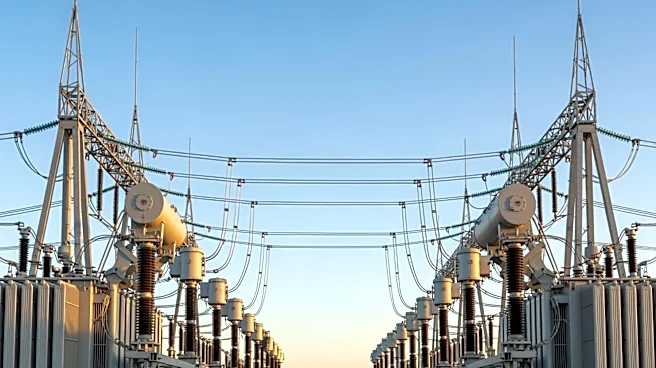
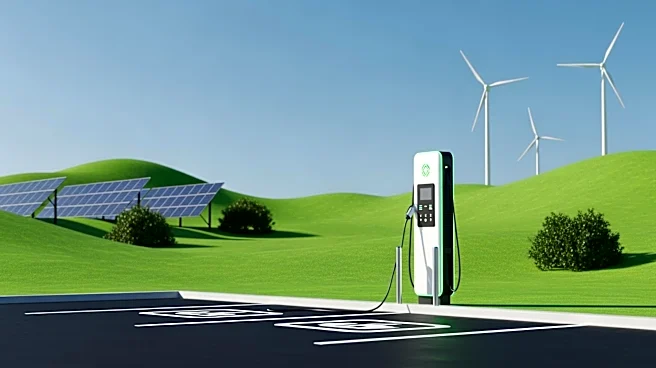
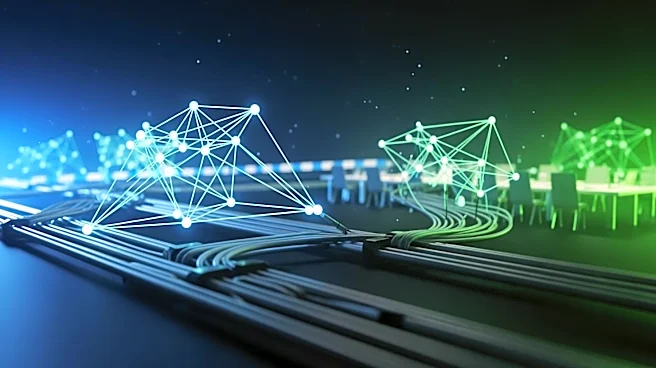
electricity distribution, which relied on a one-directional flow from centralized generation facilities, is evolving due to the integration of distributed energy resources like solar generation, battery storage, and electric vehicles. This shift necessitates a more complex grid infrastructure that can handle new sources of generation and high-demand loads. Utilities are deploying intelligent field equipment and increasing the density of connected devices to monitor and manage grid operations effectively. These devices provide real-time data that helps operators maintain operational visibility and respond swiftly to disruptions. The emphasis is on building resilient communication networks that can withstand environmental stressors and ensure continuous connectivity, even during severe weather events or peak electricity demand.
Why It's Important?
The modernization of the grid is crucial for maintaining operational reliability in the face of increasing complexity. As utilities integrate new technologies and manage aging infrastructure, reliable communication networks become essential for operational resilience. These networks enable utilities to detect and respond to issues promptly, reducing the risk of outages and improving service reliability. The ability to monitor equipment performance continuously allows for predictive maintenance, which can prevent unexpected failures and extend the lifespan of grid assets. Furthermore, as grid infrastructure becomes more connected, cybersecurity becomes a critical concern. Utilities are prioritizing secure communication platforms that support strong authentication and encryption to protect against potential cyber threats. This focus on secure and resilient communication networks is vital for ensuring the long-term reliability and security of the nation's power grid.
What's Next?
Utilities are expected to continue investing in advanced communication technologies to support the evolving energy landscape. This includes expanding the use of edge computing to process data locally and improve responsiveness. As the grid becomes more digital, utilities will need to adapt their communication infrastructure to accommodate new operational needs and integrate emerging technologies. The development of secure, adaptable communication platforms will be key to managing the complexity of future grid operations. Additionally, utilities will likely focus on enhancing cybersecurity measures to protect against evolving threats. The ongoing modernization efforts will require collaboration between utilities, technology providers, and regulatory bodies to ensure that communication networks are robust, secure, and capable of supporting the grid's future demands.
Beyond the Headlines
The transition to a more dynamic energy landscape has broader implications for the U.S. economy and society. Reliable and resilient grid infrastructure is essential for supporting the growth of renewable energy sources and the electrification of transportation. As the nation moves towards a more sustainable energy future, the ability to integrate distributed energy resources efficiently will be critical. This shift also presents opportunities for innovation in grid technologies and the development of new business models. However, it also poses challenges, such as the need for significant investment in infrastructure upgrades and the potential for increased regulatory scrutiny. The success of these efforts will depend on the ability of utilities to balance reliability, security, and cost while meeting the evolving needs of consumers and the energy market.