




What's Happening?
Researchers at the University of Illinois Chicago have developed a novel cancer therapy that utilizes a strategy inspired by bacteria residing within tumors. This approach targets the energy production mechanisms of cancer cells rather than attacking
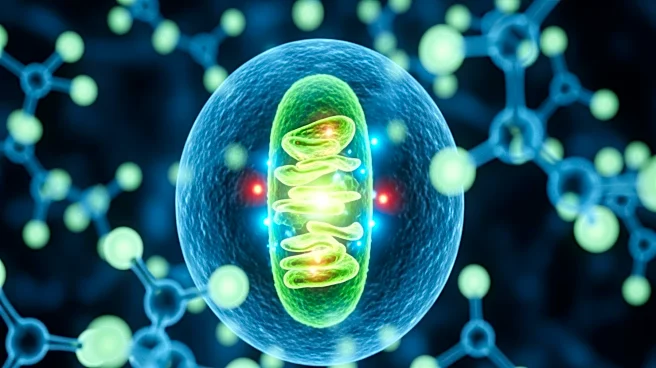
the cells directly. The therapy involves a lab-made peptide called aurB, derived from a bacterial protein, which disrupts the mitochondria within cancer cells, thereby hindering their energy supply. In prostate cancer models, the therapy showed significant results, especially when combined with radiation, a standard treatment. The findings, published in Signal Transduction and Targeted Therapy, highlight the potential of targeting mitochondria, the cell's energy factories, as an effective cancer treatment strategy.
Why It's Important?
This breakthrough offers a promising new direction in cancer treatment by focusing on the metabolic processes of cancer cells. Traditional cancer therapies often target the cells directly, which can lead to significant side effects and resistance. By disrupting the energy production within cancer cells, this therapy could provide a more targeted and potentially less harmful treatment option. The research underscores the importance of exploring the tumor microenvironment, including the bacteria present, as a source of novel therapeutic strategies. This approach could lead to the development of more effective treatments for various types of cancer, particularly those that have become resistant to existing therapies.
What's Next?
The researchers have secured a patent for the aurB peptide and are exploring the possibility of moving the therapy into human clinical trials. Further studies will focus on optimizing the treatment for clinical use and exploring other bacterial proteins that could be adapted into cancer therapies. The success of this approach could pave the way for a new class of cancer treatments that leverage the unique properties of bacteria within tumors. As research progresses, this strategy could significantly impact the future of oncology, offering new hope for patients with difficult-to-treat cancers.