





What's Happening?
Southern California is preparing for a 'Super El Niño' event, which is forecasted to deliver above-average rainfall to the region. According to the National Oceanic and Atmospheric Administration (NOAA), El Niño occurs every two to seven years when eastern
tropical Pacific Ocean temperatures rise at least 0.5 degrees Celsius above average for several months, weakening trade winds and leading to a buildup of warm water. This year's El Niño is classified as 'Super' due to tropical Pacific waters rising several degrees above the normal El Niño range, compounded by a large marine heatwave that began in spring 2025. While a 'Super' classification doesn't guarantee 'super' rainfall, forecasts suggest conditions similar to the strong 1997-98 El Niño, which caused record rainfall, mudslides, and flooding in California. Dr. Clarissa Anderson, a researcher at Scripps Institution of Oceanography, noted that Kelvin waves, which push warm water towards the American coasts, began in early October, with peak El Niño ocean conditions anticipated from December to January, and the strongest impacts expected from January through April.
Why It's Important?
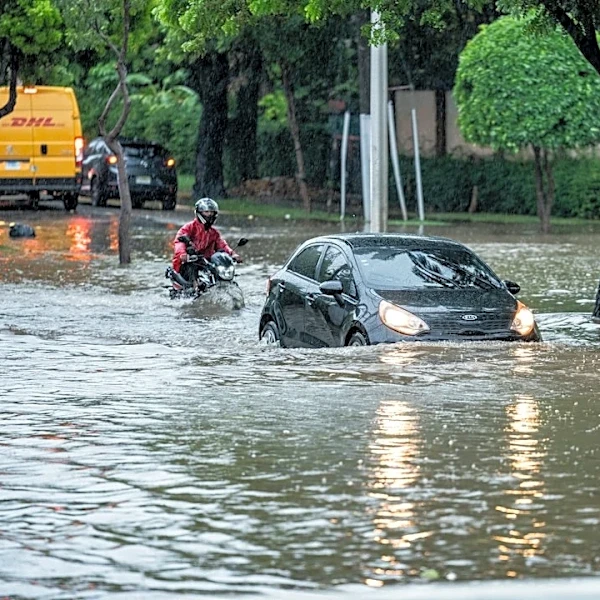
The impending Super El Niño carries significant implications for Southern California, particularly concerning public safety and infrastructure. Increased rainfall poses a high risk of flooding, mudslides, and cliff erosion, especially in low-lying coastal areas and regions previously affected by wildfires. Dr. Anderson highlighted that homes along coastal cliffs could face danger from intense wave action and erosion. Furthermore, the strength of California's critical infrastructure, including dams and levees, is a central concern, as an October report from the California State Auditor identified over 50 dams in poor or unsatisfactory condition statewide. Overwhelmed infrastructure could intensify flooding in high-risk areas. Inland regions, including roadways, riverbeds, and canyon areas, are also prone to flooding. The combination of El Niño and existing climate change effects, such as warmer Pacific waters, could lead to more intense and prolonged rainfall, potentially pushing global temperatures to new records, as noted by Dr. Chad Thackeray of UCLA.
What's Next?
Southern California authorities and residents are taking proactive measures to mitigate the potential impacts of the Super El Niño. Caltrans is clearing drainage systems, reinforcing slopes, and preparing pump stations for heavy rain, in addition to repairing pavement on State Route 60 and State Route 71. Crews across Southern California are also clearing vegetation from drainage channels to enhance water flow capacity. Shane Reichardt, a spokesperson for the Riverside County Emergency Management Department, advises residents to avoid flooded roadways and stay in safe locations during extreme weather. Homeowners are encouraged to clear rain gutters, trim branches, ensure streams on private property are not blocked, and use sandbags in flood-prone areas. Residents should monitor alerts and be aware of infrastructure vulnerabilities. The Scripps Institution predicts the strongest impacts will hit Southern California from January through April, indicating a prolonged period of heightened risk.
Beyond the Headlines
The current Super El Niño highlights the complex interplay between natural climate phenomena and human-induced climate change. The layering effect of El Niño on already warmer Pacific waters, believed to be driven by climate change, could intensify rainfall and lead to more severe consequences than previous El Niño events. This situation underscores the need for robust climate resilience strategies and infrastructure improvements to adapt to increasingly extreme weather patterns. The event also brings into focus the broader global impacts of El Niño, including reduced monsoon rainfall in India, drier conditions in Australia and Indonesia, heavy rainfall in South America's Pacific coast, and increased rainfall and flooding in Japan and China. While El Niño is a natural cycle, its 'super-sized' manifestation in a hotter world amplifies the urgency of addressing long-term climate change through significant reductions in fossil fuel emissions.