






What's Happening?
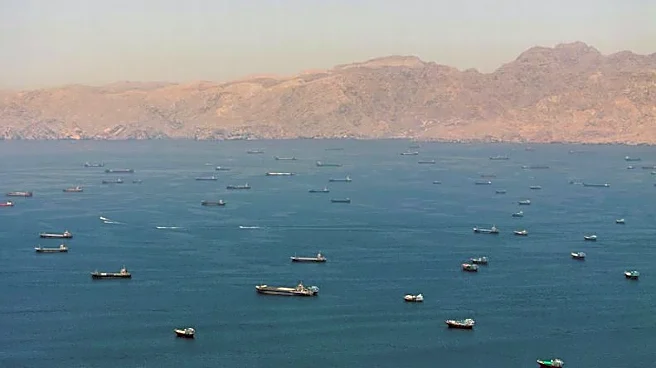
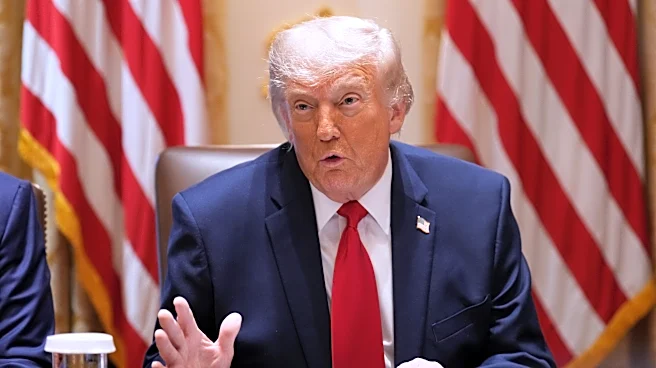
President Trump is facing a diplomatic challenge as the United States and Iran approach a framework deal aimed at easing tensions and reopening the Strait of Hormuz. The proposed agreement, which emerged after a week of intense diplomacy, seeks to extend
a ceasefire and address the oil-shipping route's status while deferring discussions on Iran's nuclear program. This development comes amid pressure from within Trump's party, with some Republicans urging him to maintain a hardline stance against Iran. The potential deal could ease high gasoline prices but risks backlash from those who believe it compromises on key security issues.
Why It's Important?
The potential framework deal between the US and Iran holds significant implications for international relations and domestic politics. Reopening the Strait of Hormuz could stabilize global oil markets and reduce gasoline prices, benefiting consumers and industries reliant on oil. However, the deal's perceived concessions to Iran may alienate hardline Republicans and Trump's base, who favor a more aggressive approach to Iran's nuclear ambitions. The outcome of these negotiations could influence US foreign policy, impact midterm election dynamics, and shape President Trump's legacy in handling international conflicts.
What's Next?
As negotiations continue, President Trump must navigate internal party dynamics and international expectations. The deal's success depends on addressing unresolved issues, such as Iran's uranium enrichment and sanctions relief. Trump's ability to balance domestic political pressures with diplomatic objectives will be crucial. The outcome could affect US-Iran relations, regional stability, and the global economy. Stakeholders, including political leaders and industry groups, will closely monitor developments, with potential reactions influencing future policy decisions.