



What's Happening?
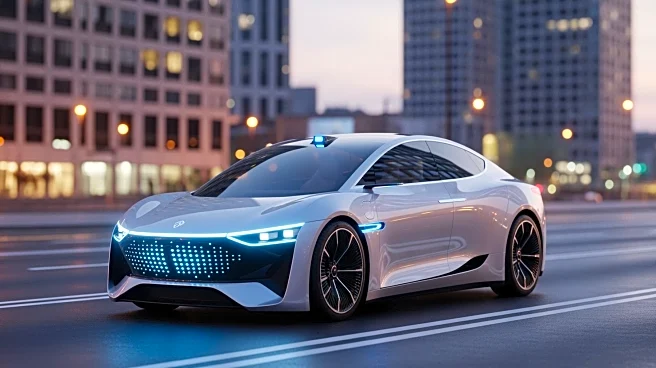
Waymo, a subsidiary of Google, is set to introduce its autonomous ride-hailing service in Central Florida by 2026. This expansion will allow residents and visitors in Orlando to access driverless robo-taxis, adding to the regions where Waymo already operates,
such as San Francisco and Los Angeles. The initiative is part of a broader trend towards autonomous vehicles (AVs) aimed at reducing congestion and improving road safety. However, the rollout of AVs has sparked debates over safety and job security, with labor unions expressing concerns about the potential loss of jobs for professional drivers. Despite these concerns, Florida has positioned itself as an AV-friendly state, with legislation that supports the deployment of these technologies.
Why It's Important?
The introduction of Waymo's autonomous vehicles in Central Florida represents a significant step in the evolution of transportation technology. It highlights the growing acceptance and integration of AVs in urban planning, potentially transforming how people commute. The move could lead to reduced traffic congestion and lower accident rates, aligning with public safety and environmental goals. However, it also raises critical issues regarding employment in the transportation sector, as traditional driving jobs may be at risk. The economic implications are substantial, as the technology could reshape the job market and necessitate new regulatory frameworks to address safety and liability concerns.
What's Next?
As Waymo prepares to launch its service, it will initially operate with employees before opening to the public. The company plans to expand its operations to other cities, including Miami and Dallas. Meanwhile, discussions around the regulation of AVs are likely to intensify, with stakeholders such as labor unions and city councils advocating for measures to protect jobs and ensure safety. The success of Waymo's rollout in Florida could influence other states' approaches to AV legislation and deployment.
Beyond the Headlines
The deployment of AVs like Waymo's could lead to broader societal changes, including shifts in urban design and public transportation systems. As AVs become more prevalent, there may be a need to redesign infrastructure to accommodate these vehicles, potentially leading to more pedestrian-friendly cities. Additionally, the legal landscape will need to adapt to address issues of liability and insurance in accidents involving AVs, which could redefine the responsibilities of manufacturers and operators.