







What's Happening?
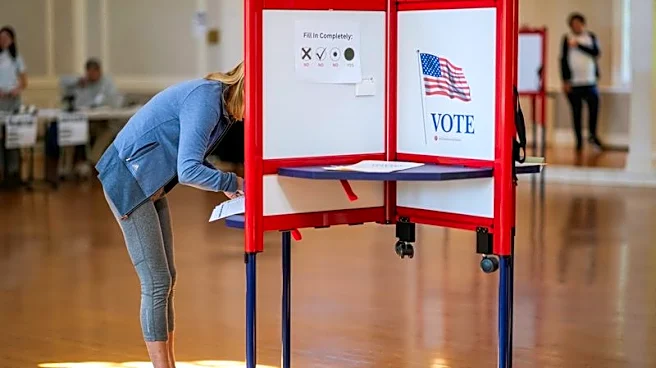
In California's June primary, nearly 150,000 mail-in ballots were rejected, marking a significant increase from previous elections. The primary reason for rejection was late-arriving ballots, which accounted for over 93,000 of the disqualified votes.
Despite efforts to make voting more accessible, including allowing ballots to arrive up to seven days post-election, issues with postmarks and postal service changes have contributed to the spike. The rejection rate was 1.73%, up from 1.56% in the 2024 primary. Concerns have been raised about postal procedures and their impact on election outcomes, prompting lawmakers to address potential delays in mail processing.
Why It's Important?
The increase in rejected mail ballots in California highlights challenges in the voting process, particularly concerning mail-in voting. This issue raises questions about the effectiveness of measures intended to boost voter participation and ensure every vote is counted. The situation underscores the need for reliable postal services and clear guidelines to prevent disenfranchisement. As mail-in voting becomes more prevalent, addressing these challenges is crucial for maintaining public trust in the electoral process and ensuring fair representation.
What's Next?
Lawmakers and election officials may seek to address the issues with mail-in voting by reviewing postal service policies and exploring solutions to ensure timely postmarks. Efforts to educate voters on the importance of early ballot submission could be intensified. Additionally, the situation may prompt discussions on further reforms to streamline the voting process and enhance the reliability of mail-in voting.
Beyond the Headlines
The challenges faced in California's mail-in voting process reflect broader concerns about electoral integrity and accessibility. As mail-in voting gains popularity, ensuring its reliability is essential for democratic participation. The situation may lead to increased scrutiny of postal services and their role in elections, potentially influencing future policy decisions and reforms aimed at safeguarding the voting process.