




What's Happening?
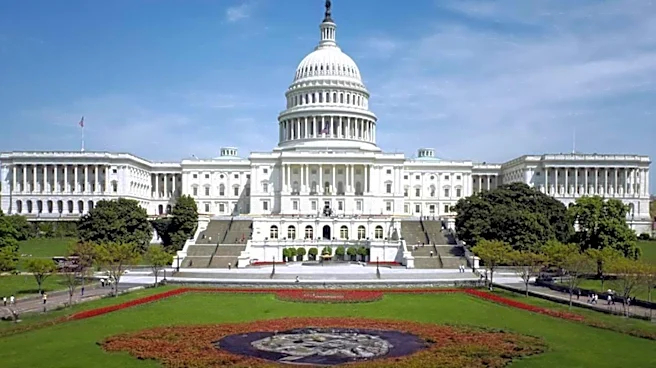
Speaker of the House Mike Johnson, R-Benton, Louisiana, has announced an early adjournment of the House of Representatives for a seven-week campaigning recess ahead of the midterm elections. This decision effectively postpones a scheduled vote on impeaching
Defense Secretary Pete Hegseth. The impeachment resolution was initiated by U.S. Rep. Thomas Massie of Kentucky, a Republican, who has been a vocal critic of the Trump administration. Massie's resolution, carrying special procedural powers, had set a legislative clock requiring a vote in the coming days. However, the early recess allows Republicans to delay this vote until after the November midterm elections. Massie has accused Hegseth of demonstrating actions 'grossly incompatible with his duties and the rule of law,' particularly concerning his handling of the war with Iran. This move by Speaker Johnson has drawn criticism, with some observers, like Michael Waterfall from Ogden, expressing concern over Congress being 'willingly absent at a time when we need them most.'
Why It's Important?
This early adjournment by Speaker Johnson carries significant implications for congressional oversight and accountability, particularly regarding the executive branch. By postponing the impeachment vote against Defense Secretary Hegseth, the House leadership is effectively shielding a key Trump administration official from immediate scrutiny over his conduct in the Iran operation. This action raises questions about the balance of power between the legislative and executive branches, especially when the House is controlled by the same party as the President. Critics argue that this move undermines Congress's constitutional duty to provide checks and balances, potentially setting a precedent where legislative action on contentious issues can be sidestepped for political expediency. The delay also impacts public perception of governmental transparency and accountability, as a critical debate on a high-ranking official's actions is deferred until after a major election cycle. This could be seen as prioritizing political campaigns over immediate legislative responsibilities, potentially eroding public trust in the institution of Congress.
What's Next?
The impeachment vote against Defense Secretary Pete Hegseth will now be delayed until after the November midterm elections. This postponement means that the issue will likely resurface in a potentially altered political landscape, depending on the outcomes of the elections. Should the Republican party maintain or strengthen its majority, the impeachment effort might face even greater hurdles. Conversely, a shift in congressional power could intensify calls for accountability. U.S. Rep. Thomas Massie, who initiated the impeachment resolution, will likely continue to advocate for the vote, potentially seeking new avenues to bring the matter to the floor once the House reconvenes. The delay also provides the Trump administration and Defense Secretary Hegseth with additional time to prepare their defense and potentially influence public opinion before any legislative action is taken. The debate over the proper role of Congress in overseeing military operations and holding executive officials accountable is expected to continue, with renewed vigor once the House returns.
Beyond the Headlines
The decision to adjourn the House early, effectively delaying an impeachment vote, highlights a deeper tension within the U.S. political system: the struggle between legislative oversight and partisan political strategy. This move can be interpreted as a strategic maneuver to protect a presidential appointee during a critical election period, potentially signaling a prioritization of party unity and electoral success over immediate accountability. Such actions can contribute to a perception of congressional abdication of duty, particularly when the executive and legislative branches are controlled by the same party. It also underscores the procedural complexities and political leverage that can be employed to manage legislative calendars, influencing the timing and outcome of significant debates. The long-term implications could include a further erosion of the public's confidence in Congress's ability to act as an independent check on executive power, fostering a sense that political considerations often outweigh constitutional responsibilities. This incident may also fuel ongoing debates about the extent of presidential power and the mechanisms available to Congress to rein it in.