






What's Happening?
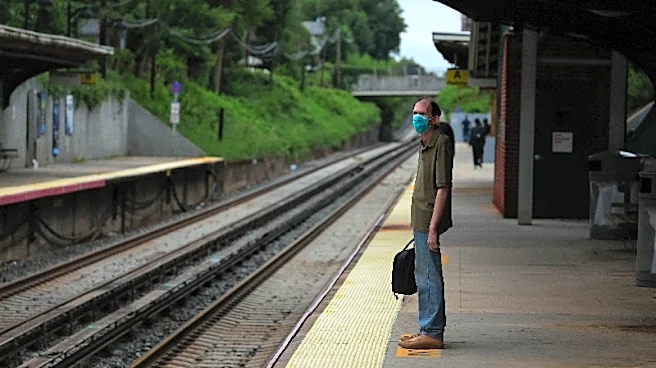
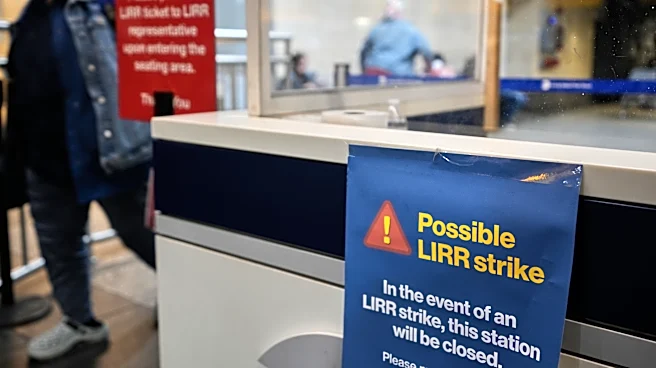
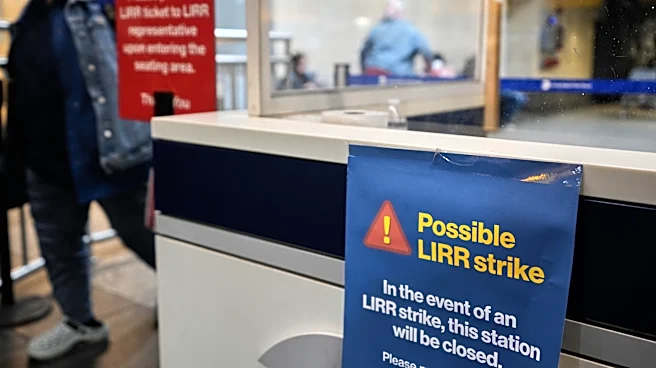
The Long Island Rail Road (LIRR) has suspended service for the first time in over 30 years due to a strike by unionized workers. The strike, which began on May 16, 2026, involves approximately 3,500 workers from five unions, including engineers and signalmen.
The unions are demanding a 5% wage increase to keep up with inflation, but the Metropolitan Transportation Authority (MTA) has offered a lower raise with additional healthcare contributions from new employees. The strike has disrupted the commutes of nearly 300,000 daily passengers, with limited shuttle bus services available. The MTA and Governor Kathy Hochul have advised commuters to work from home if possible.
Why It's Important?
The strike underscores the critical role of the LIRR in the daily lives of New Yorkers and the broader economic implications of labor disputes in essential services. The shutdown affects not only commuters but also businesses and industries reliant on the rail system. The strike highlights the challenges of balancing labor demands with financial constraints, as the MTA warns that meeting union demands could lead to fare increases or service cuts. The situation also places political pressure on leaders, including Governor Kathy Hochul, to find a resolution and mitigate the impact on the public.
What's Next?
The strike's duration is uncertain, with no new negotiations scheduled. The unions are demanding a 5% wage increase, while the MTA has offered a lower raise with additional healthcare contributions from new employees. The ongoing dispute could lead to increased traffic congestion and economic losses, emphasizing the need for a swift resolution. Political leaders may face pressure to intervene, and the outcome could influence future labor negotiations in the transportation sector.
Beyond the Headlines
The strike raises broader questions about the sustainability of public transportation systems and the role of automation in reducing labor costs. The legal framework governing the LIRR, which allows for federal intervention, adds complexity to the dispute. The situation reflects wider societal debates about labor rights, economic efficiency, and the future of public transportation in an era of rising costs and technological advancements.