



What's Happening?
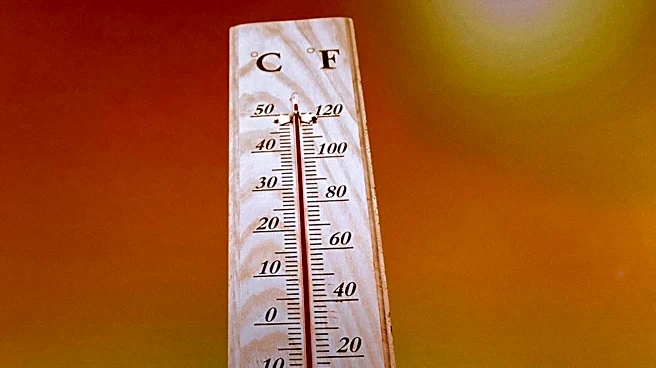
The World Meteorological Organization (WMO) has released a report indicating that 2026 is on track to be one of the four warmest years in recorded history. Global temperatures averaged 1.47 degrees Celsius above pre-industrial levels from January to September
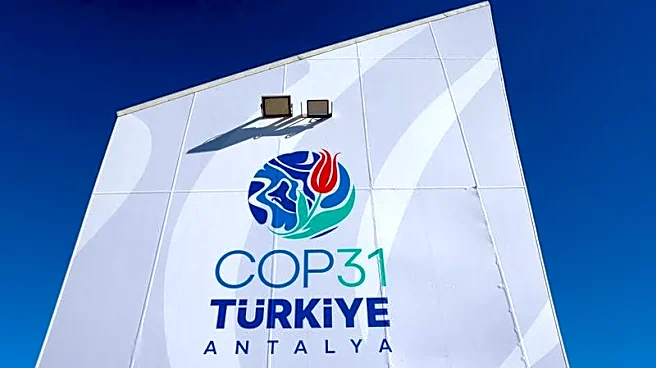
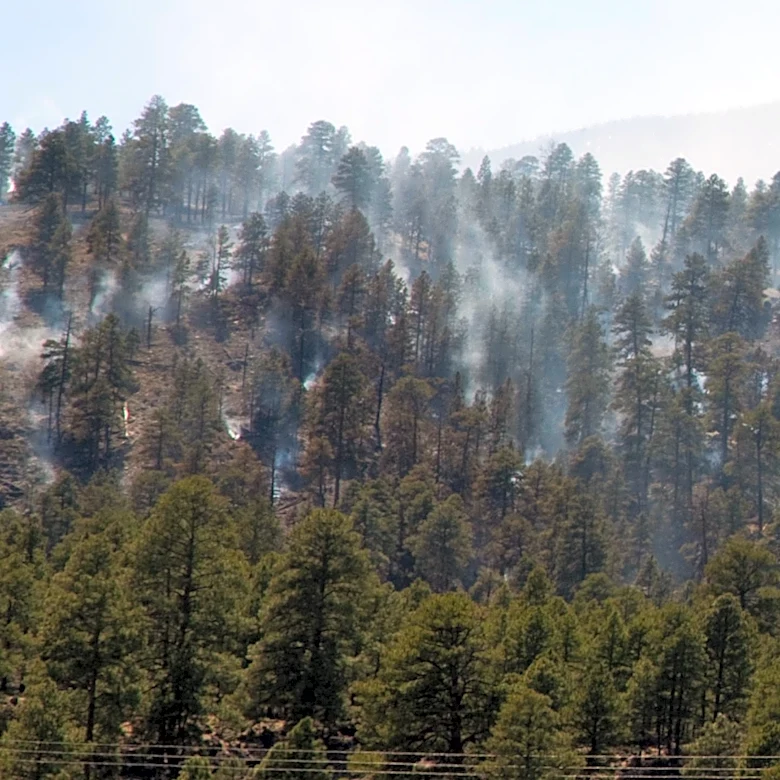
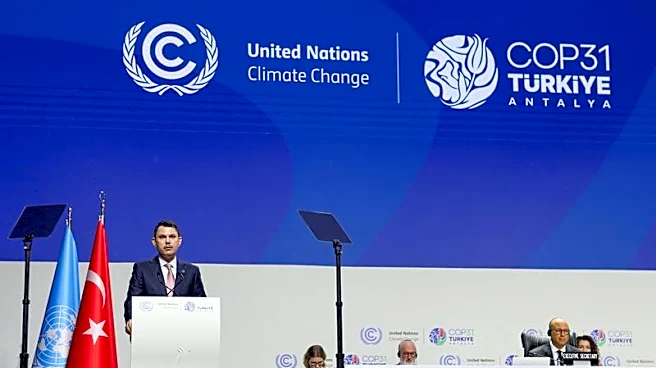
2026. This figure is expected to rise further as a very strong El Niño event intensifies, potentially becoming one of the strongest on record by December and fueling extreme weather into 2027. The WMO report, released at the opening of the UN climate conference COP31 in Antalya, Türkiye, highlights that Earth's energy imbalance has reached its highest level since monitoring began, with greenhouse gases trapping unprecedented amounts of heat. Atmospheric carbon dioxide concentrations reached 426.8 parts per million in 2025, 53 percent above pre-industrial levels. Oceans, which absorb approximately 90 percent of excess heat, are also heading towards their tenth consecutive year of record warmth. Preliminary estimates attribute over 30,000 excess deaths in Europe to heatwaves, droughts, and wildfires during 2026. Additionally, an estimated 146.5 million people in India were exposed to extreme heat during an April 2026 heatwave.
Why It's Important?
The WMO's findings underscore the escalating climate crisis and its severe global impacts, particularly on human health and environmental stability. The projected continuation of extreme temperatures and weather events into 2027 due to the intensifying El Niño poses significant risks to vulnerable populations and infrastructure worldwide. The reported excess deaths in Europe highlight the immediate and deadly consequences of prolonged heatwaves, stressing the urgency for robust public health responses and adaptation strategies. The record-high greenhouse gas concentrations and ocean warming indicate a systemic shift in the Earth's climate, threatening long-term ecological balance and human well-being. The report serves as a critical warning to policymakers and international bodies about the need for accelerated emissions reductions, a rapid transition away from fossil fuels, and increased financial support for countries most susceptible to climate impacts. The economic and social costs associated with these extreme weather events, including disruptions to agriculture, water resources, and public services, are expected to mount, affecting global stability and development.
What's Next?
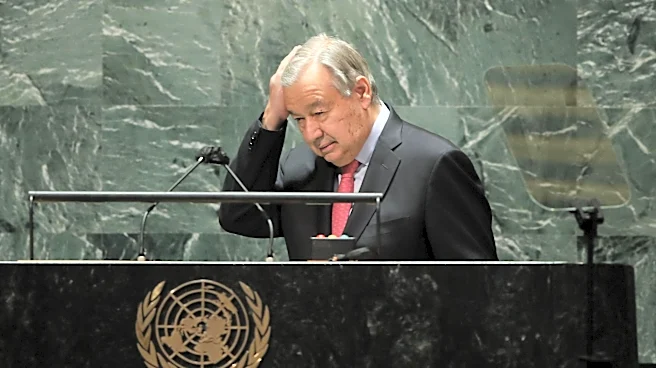
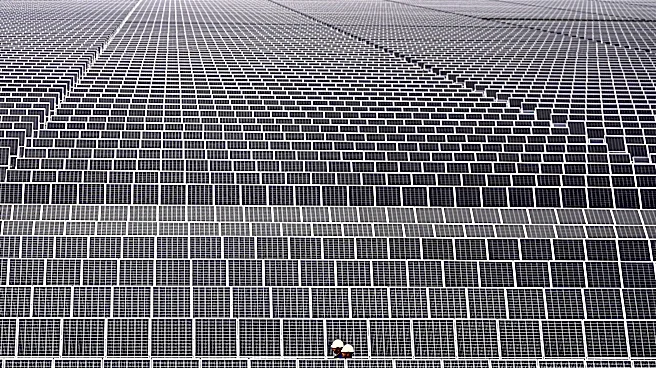
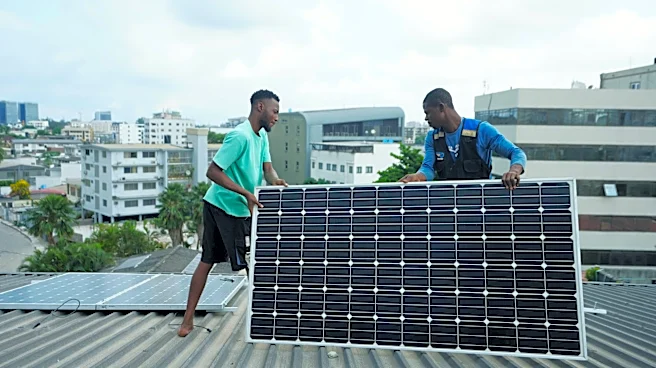
The intensifying El Niño event is expected to continue fueling extreme weather conditions well into 2027, suggesting that the coming year could also see exceptional temperatures and increased climate-related disasters. UN Secretary-General Antonio Guterres has called for faster emissions cuts, a transition away from fossil fuels, and increased financial support for vulnerable countries to address the escalating climate extremes. The ongoing COP31 conference will likely focus on these urgent calls to action, with discussions centered on strengthening global climate commitments and adaptation measures. Governments and international organizations are expected to face mounting pressure to implement more aggressive climate policies, including investments in renewable energy and the development of early warning systems for extreme weather events. The WMO will issue its final State of the Global Climate 2026 report in March 2027, which will incorporate further scientific contributions and provide a comprehensive overview of the year's climate trends and impacts, likely reinforcing the need for immediate and sustained global efforts.
Beyond the Headlines
The WMO report reveals a deeper crisis beyond just temperature records; it points to a fundamental energy imbalance in the Earth system, where the planet is accumulating heat at an accelerating rate. This imbalance, driven by unprecedented levels of greenhouse gases, signifies a profound alteration of natural climate processes with long-term implications. The sustained ocean warming, now entering its tenth consecutive year of record highs, has critical consequences for marine ecosystems, global weather patterns, and sea-level rise, threatening coastal communities and biodiversity. The human toll, exemplified by the tens of thousands of excess deaths in Europe, underscores the ethical imperative for climate action and highlights existing vulnerabilities in public health infrastructure. The report also implicitly raises questions about climate justice, as vulnerable populations often bear the greatest burden of these escalating extremes despite contributing least to the problem. This ongoing climate trajectory could trigger irreversible tipping points, leading to more frequent and intense extreme weather events, further challenging human adaptability and global resilience.