







What's Happening?
The rapid expansion of AI data centers across the U.S. is creating an affordability crisis for electric companies and consumers, according to the Union of Concerned Scientists (UCS). The significant increase in electricity demand from these data centers necessitates
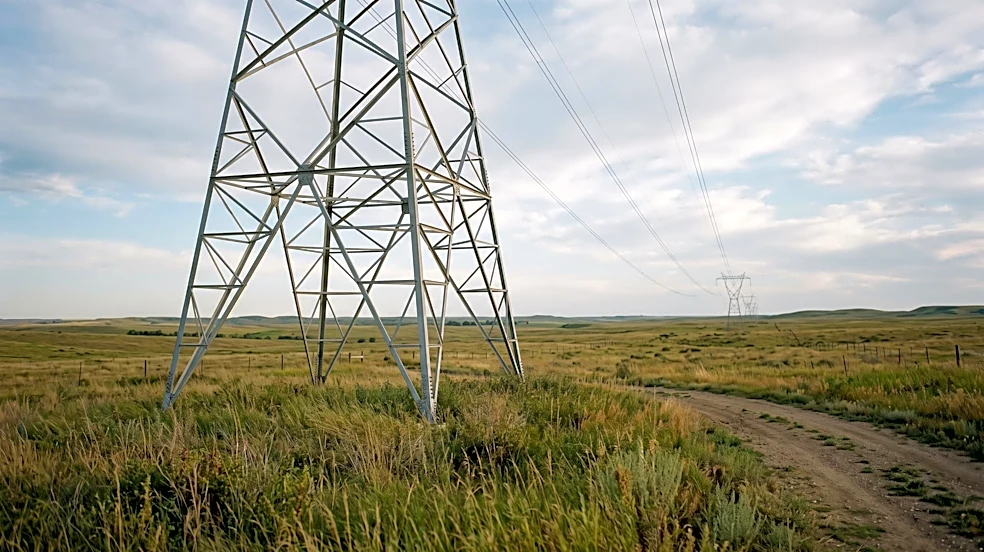
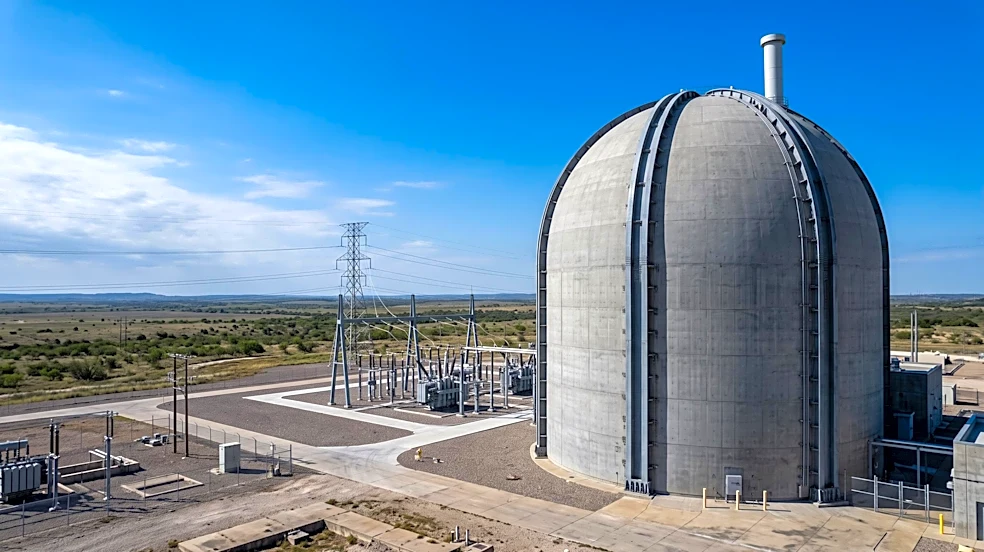
substantial investments in new transmission infrastructure and power plants. Electric utility companies, operating as regulated monopolies, are reportedly welcoming data centers as large customers, viewing them as opportunities for increased sales and profits. However, the costs associated with building this new infrastructure are often passed on to all consumers through their electric bills. The UCS highlights that protective measures adopted by utilities are often insufficient, with most new costs falling on consumers. Instances of data center project cancellations, such as one in Illinois, further complicate the situation, as power plant commitments made based on initial demand forecasts may still result in costs being socialized among consumers, even if the demand no longer materializes.
Why It's Important?
This situation is critical because it exposes a potential flaw in the regulatory framework governing electric utilities, where the pursuit of growth by private entities (data centers) can lead to increased financial burdens for the general public. The estimated cost for data centers and grid needs over the next decade could reach $7 trillion, with concerns that data center borrowing is already distorting bond and stock markets. If electric companies continue to socialize the costs of infrastructure built for data centers, consumers could face significantly higher electricity bills. This raises questions about the effectiveness of regulatory bodies, such as the Federal Energy Regulatory Commission (FERC), in protecting consumer interests. The issue also highlights the tension between economic development driven by the tech sector and the need for equitable distribution of infrastructure costs, particularly in a regulated industry where utilities have a guaranteed rate of return on investments.
What's Next?
The Union of Concerned Scientists and other advocacy groups are calling for stricter scrutiny of electric companies' practices and more robust protective measures for consumers. This will likely involve increased pressure on regulatory bodies like FERC to intervene and ensure that the costs associated with data center infrastructure are fairly allocated. Utilities may be compelled to revise their large-load service rules to prevent consumers from bearing the brunt of these expenses, especially in cases of project cancellations. The ongoing legal battles, such as the one involving a proposed data center in Joliet, Illinois, and its minimal security deposit, will be crucial in setting precedents for future agreements. Policymakers and regulators will need to address how to balance the economic benefits of data center expansion with the imperative to protect consumer bills from undue increases, potentially leading to new policies on cost recovery and risk allocation.
Beyond the Headlines
The rapid growth of AI and data centers is not just an economic or technological phenomenon; it's fundamentally reshaping the U.S. electric grid and challenging existing regulatory paradigms. The issue of who pays for the massive infrastructure upgrades required by these energy-intensive operations touches upon ethical considerations of corporate responsibility and social equity. If utilities prioritize growth and profit by passing costs to consumers, it could exacerbate energy poverty and create a regressive tax on electricity. This situation also highlights the need for greater transparency in utility planning and forecasting, especially concerning demand from large industrial customers. The long-term implications could include a re-evaluation of how regulated monopolies operate in a rapidly evolving energy landscape, potentially leading to reforms that ensure a more equitable distribution of both the benefits and costs of technological advancement.