






What's Happening?
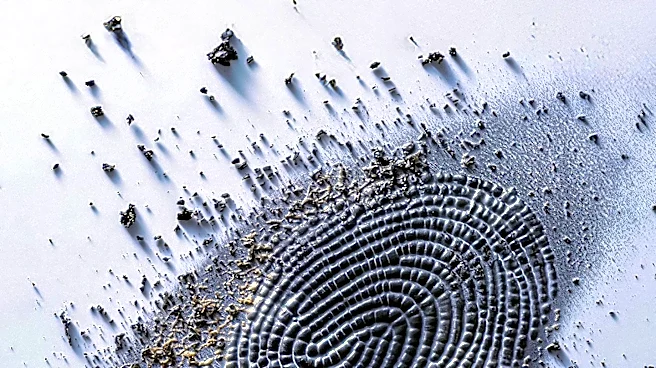
The Placer County Sheriff’s Office (PCSO) in California has implemented a new system that allows deputies to capture touchless fingerprint biometrics using their standard county-issued iPhones. This technology, powered by Integrated Biometrics' CamraIB
software and integrated by Computer Deductions Inc. (CDI), transforms regular smartphones into biometric capture devices. The system enables deputies to quickly identify individuals in the field without requiring specialized hardware. The CamraIB software can produce 500ppi fingerprint images from four-finger identification slaps, and PCSO can instantly receive data on prior arrests, warrants, and personal alerts. The demand for this technology among PCSO deputies has been significant. The backend integration by CDI includes PCSO's records management system, and face biometrics are part of a multi-factor authentication system provided by Okta to ensure secure access and compliance with Criminal Justice Information Services (CJIS) standards. The solution has been deployed to over 200 deputies, funded by the Cal-ID RAN Board, and has reported no false positive matches to date.
Why It's Important?
This adoption signifies a notable advancement in law enforcement technology, enhancing the efficiency and speed of field identification processes. By leveraging existing smartphone technology, PCSO can reduce the need for costly, dedicated biometric hardware, making such capabilities more accessible to a wider range of law enforcement agencies. The ability to quickly identify individuals, including suspects, uncooperative persons, or deceased individuals, directly impacts public safety and investigative timelines. The integration with existing records management systems and compliance with CJIS standards ensures data security and operational integrity. This move also highlights a broader trend towards mobile-first solutions in public safety, where everyday devices are augmented with advanced capabilities to improve operational effectiveness and officer safety. The success of this implementation could encourage other U.S. law enforcement agencies to explore similar touchless biometric solutions, potentially setting a new standard for field identification.
What's Next?
Integrated Biometrics and CDI are focused on further enhancing the biometric performance of the system, particularly in uncontrolled scenarios and when dealing with positioning challenges, such as with handcuffed suspects. Future developments aim to improve accuracy and reduce 'no-hits' on expected matches. PCSO is also interested in expanding the solution's access to databases beyond local records, which would significantly broaden its utility. Potential future applications include using the technology for checking prison inmates in and out during transfers. The companies are also exploring a browser-based implementation of CamraIB to reduce latency in high-volume scenarios by leveraging more computing power. These ongoing developments suggest a continuous evolution of mobile biometric capabilities for law enforcement, aiming for greater versatility and reliability in diverse operational environments.
Beyond the Headlines
The deployment of touchless fingerprint biometrics on standard police smartphones raises important considerations regarding privacy, civil liberties, and data security. While the technology offers clear benefits for law enforcement efficiency, the widespread collection of biometric data in the field necessitates robust policies and oversight to prevent potential misuse or overreach. The integration of such powerful identification tools into everyday devices blurs the lines between routine police work and advanced surveillance capabilities. Ensuring that data is collected, stored, and used in accordance with legal frameworks and ethical guidelines will be crucial. Furthermore, the reliance on commercial smartphone platforms and third-party software providers introduces supply chain security risks and questions about data ownership and access. Public trust in law enforcement's use of such technology will depend heavily on transparency, accountability, and clear safeguards against potential abuses, particularly concerning the rights of individuals whose biometrics are collected.