

What's Happening?
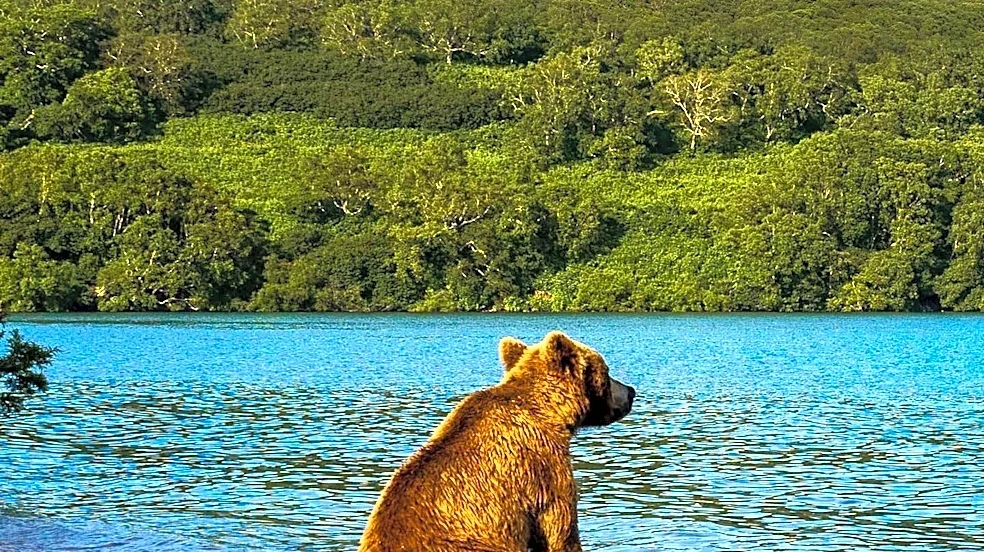
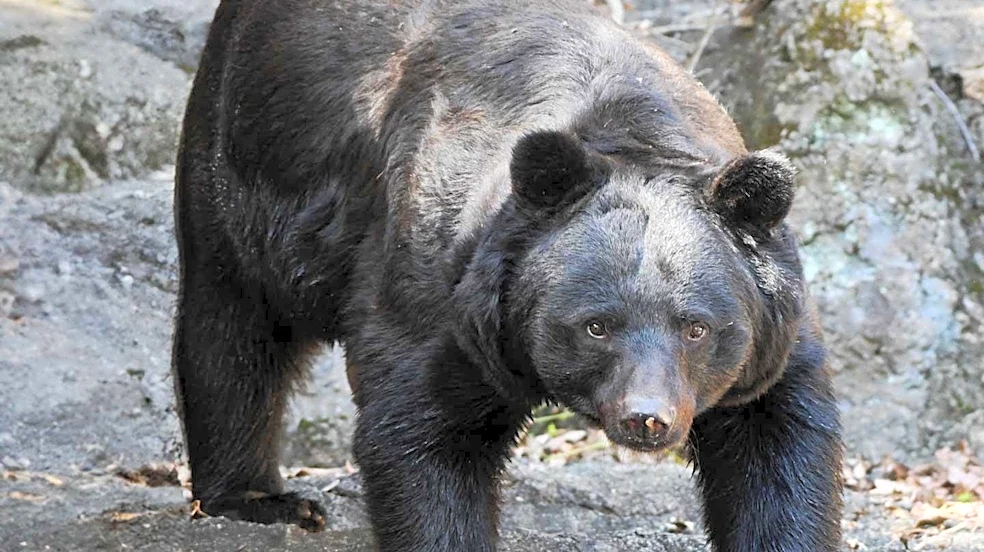
Recent reports from Mongolia indicate a significant increase in interactions between bears and humans, with videos circulating on social media showing bears entering and damaging 'gers' (traditional nomadic dwellings) and attacking livestock. This trend
highlights a growing issue of human-wildlife conflict in the region. The incidents have garnered widespread attention on Mongolian social media platforms, underscoring the community's concern over the safety of their property and animals. While the provided source does not specify the exact causes of this increase, such interactions are often linked to habitat encroachment, changes in food availability, or population dynamics of bear species. The viral nature of these videos suggests a heightened awareness and potential alarm among the populace regarding these encounters.
Why It's Important?
The escalating bear-human interactions in Mongolia carry significant implications for both local communities and wildlife conservation efforts. For the affected communities, particularly those reliant on livestock, these incidents represent a direct threat to their livelihoods and safety. The loss of livestock can have severe economic consequences for nomadic and rural populations. From a broader perspective, this situation underscores the challenges of coexisting with wildlife, especially as human settlements expand and natural habitats are altered. It also raises questions about the effectiveness of current wildlife management strategies and the need for potential interventions to mitigate these conflicts. The viral spread of these events on social media can also influence public perception of wildlife, potentially leading to increased calls for control measures that might impact bear populations.
What's Next?
Given the reported increase in bear-human interactions, it is likely that local authorities and conservation organizations in Mongolia will face pressure to address the issue. Potential next steps could include investigations into the underlying causes of these increased encounters, such as habitat changes, food scarcity, or bear population shifts. This might lead to the implementation of new wildlife management strategies, which could involve public awareness campaigns on how to prevent conflicts, measures to protect livestock, or even controlled interventions if bear populations are found to be over-extending into human areas. The ongoing social media attention may also prompt a more coordinated response from government agencies and non-governmental organizations to develop long-term solutions for human-wildlife coexistence.
Beyond the Headlines
Beyond the immediate concerns of livestock safety and property damage, the rise in bear-human interactions in Mongolia points to deeper ecological and societal shifts. It highlights the delicate balance between human development and wildlife preservation, particularly in regions where traditional lifestyles intersect with natural ecosystems. The issue could also reflect broader environmental changes, such as climate change impacting bear habitats and food sources, forcing them into closer proximity with human settlements. Ethically, it raises questions about human responsibility towards wildlife and the need for sustainable practices that minimize conflict. Culturally, these interactions can impact traditional views of nature and wildlife among Mongolian communities, potentially leading to shifts in how these animals are perceived and managed in the long term.