







What's Happening?
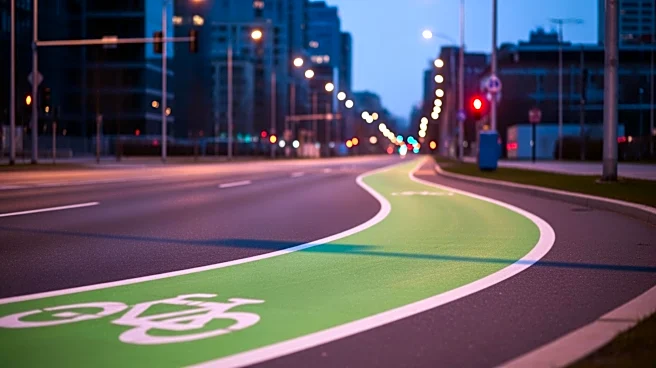
In Chicago, small business owners are voicing concerns about the impact of new bike lane and street safety projects on parking availability. These projects, part of the city's 'Complete Streets' initiative, aim to improve safety for cyclists and pedestrians.
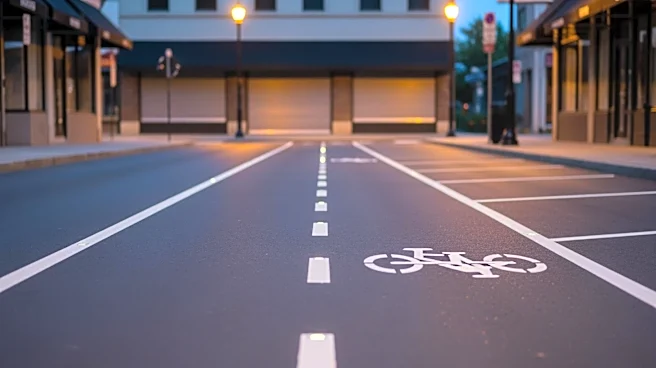
However, business owners argue that the reduction in parking spaces could harm their operations, as customers may find it difficult to access their stores. The Chicago Department of Transportation (CDOT) has been criticized for not adequately addressing these concerns during planning meetings. Residents in areas like Archer Avenue and Grand Avenue have also expressed frustration over increased traffic congestion and potential loss of business due to these changes.
Why It's Important?
The situation highlights a broader tension between urban development goals and the needs of local businesses. While improving street safety is crucial, the potential negative impact on small businesses could lead to economic challenges for these enterprises, which are vital to the local economy. The issue underscores the need for city planners to balance infrastructure improvements with the economic realities faced by small business owners. If not addressed, this could lead to a decline in local business viability, affecting employment and community vibrancy.
What's Next?
As the city continues to implement its 'Complete Streets' projects, it may need to engage more deeply with business owners and residents to find solutions that accommodate both safety improvements and business needs. This could involve revisiting project plans to ensure adequate parking or providing alternative solutions to support small businesses. The outcome of these discussions could set a precedent for how urban development projects are managed in the future, potentially influencing policy decisions and planning processes.
Beyond the Headlines
The debate over bike lanes and parking in Chicago reflects a larger national conversation about urban planning and the role of small businesses in city economies. As cities across the U.S. strive to become more pedestrian and cyclist-friendly, they must also consider the economic implications for local businesses. This situation could prompt other cities to reevaluate their approaches to urban development, ensuring that economic and community interests are balanced with infrastructure goals.