



What's Happening?
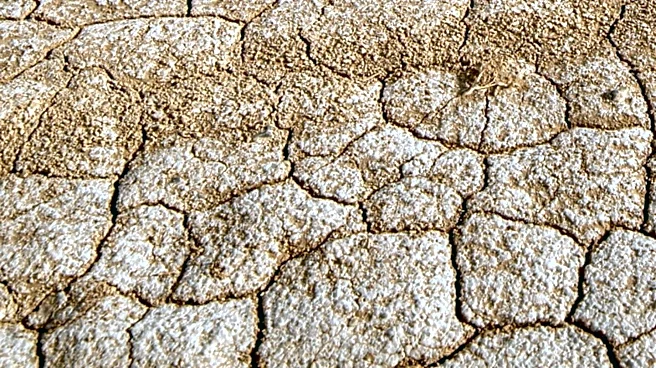
Nearly 95% of New Mexico is experiencing some level of drought, according to a recent outlook from the National Oceanic and Atmospheric Administration (NOAA). The state recorded its second-warmest July on record, and isolated monsoon rains failed to provide
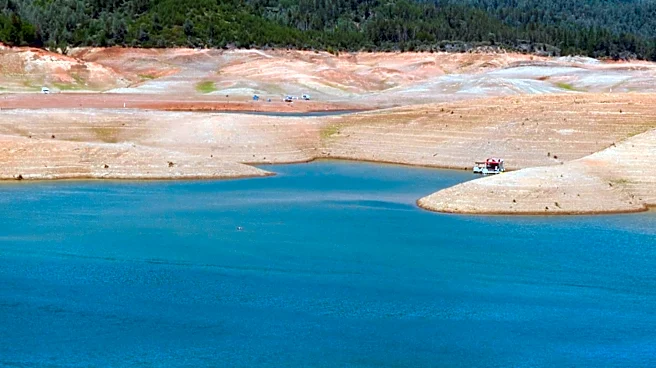
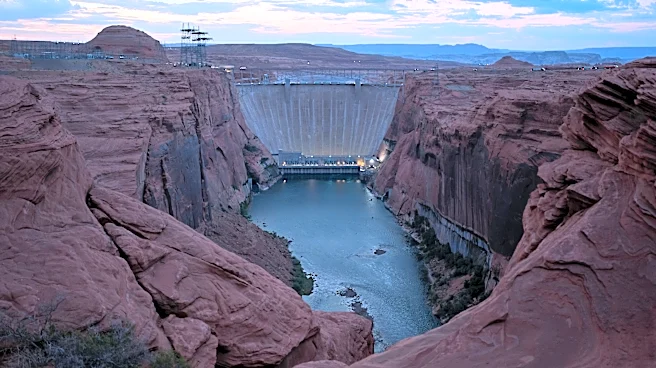
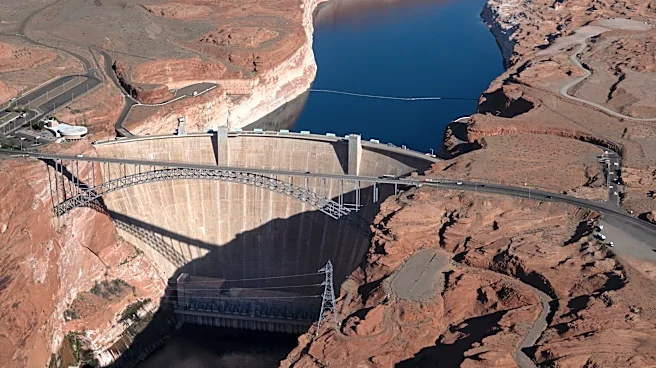
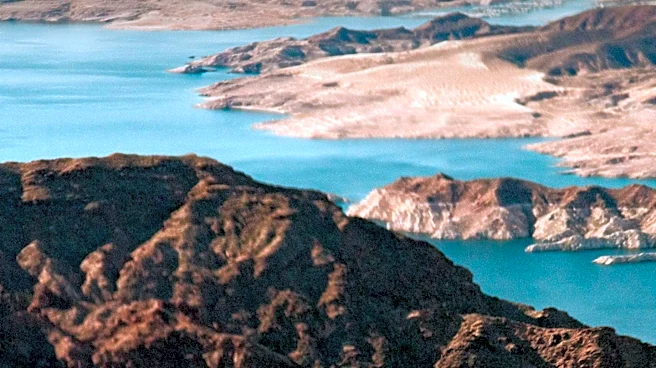
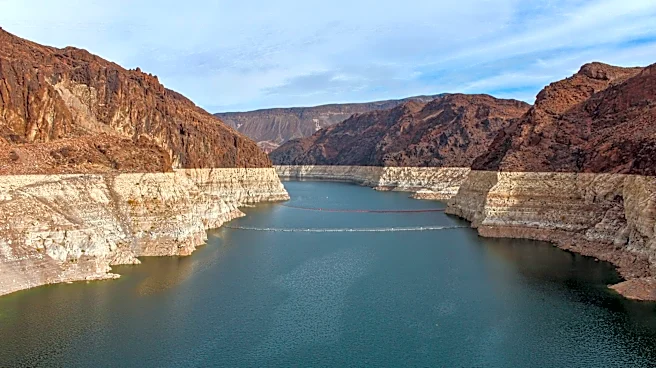
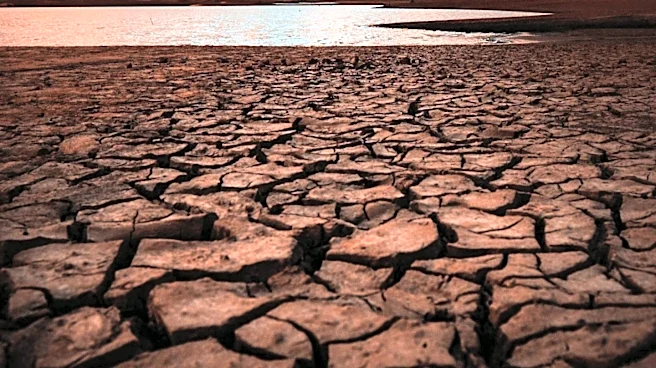
significant relief to water supply issues across the Western U.S. Major reservoirs in the Colorado River and Rio Grande basins, including Lake Mead and Lake Powell, have reached historic lows. New Mexico's Elephant Butte Reservoir is at a critical 1.4% of its capacity, leading to the closure of its main boat ramp due to safety concerns. The NOAA's drought map indicates that 3% of New Mexico, including Albuquerque and Santa Fe, is in 'severe drought,' while approximately one-third of the state, primarily northern New Mexico, is experiencing 'extreme drought.' Conditions are not expected to improve significantly in the short term, with most of New Mexico facing a 100% probability of above-average temperatures over the next two weeks.
Why It's Important?
The worsening drought conditions in New Mexico and the broader Western U.S. pose significant threats to water resources, agriculture, and local economies. Historic low water levels in major reservoirs like Lake Mead and Lake Powell impact water allocations for millions of people and vast agricultural lands across multiple states, potentially leading to stricter water conservation measures and increased conflicts over water rights. For New Mexico, the severe and extreme drought classifications threaten crop yields, livestock, and the overall agricultural sector, which is a vital part of the state's economy. The closure of the Elephant Butte Reservoir's boat ramp highlights the direct impact on recreational activities and local tourism, affecting businesses dependent on water-based recreation. Prolonged drought also increases the risk of wildfires, further endangering communities and natural ecosystems. The persistent high temperatures exacerbate these issues, increasing evaporation rates and water demand, creating a challenging environment for water management and long-term sustainability.
What's Next?
While conditions are unlikely to improve in the immediate future, forecasters predict a 90% chance of a 'very strong' El Niño event, which could bring wetter conditions to the Intermountain West this fall. This potential increase in monsoon rains, while not expected to fully eliminate drought impacts, could offer some relief to the parched region. State and federal officials will likely continue to monitor reservoir levels closely and implement water management strategies, including potential restrictions on water usage for both agricultural and municipal purposes. Communities and agricultural producers will need to adapt to ongoing water scarcity, potentially through increased investment in water-efficient technologies and practices. Public awareness campaigns for water conservation are also likely to intensify. The long-term outlook suggests that climate patterns will continue to influence water availability, necessitating proactive planning and adaptive measures to mitigate the effects of persistent drought in the Western U.S.
Beyond the Headlines
The escalating drought in the Western U.S. underscores the profound impact of climate change on regional ecosystems and human societies. Beyond immediate water shortages, the prolonged dry spell contributes to ecological stress, affecting biodiversity, increasing the vulnerability of forests to disease and pests, and altering natural landscapes. The economic implications extend beyond agriculture and tourism, potentially impacting energy production from hydroelectric dams and increasing costs for water treatment and delivery. Socially, water scarcity can exacerbate inequalities, as access to dwindling resources becomes a point of contention, particularly for vulnerable communities. The situation also highlights the complex interplay between natural climate cycles, such as El Niño, and long-term anthropogenic climate trends. Addressing this crisis requires not only short-term mitigation strategies but also fundamental shifts in water policy, land use, and energy consumption to build greater resilience against future climatic extremes. The ongoing drought serves as a critical case study for understanding and adapting to the broader challenges of a changing climate.