








What's Happening?
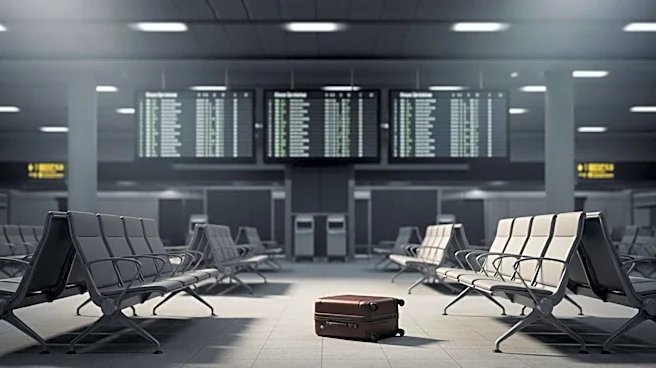
Spirit Airlines has abruptly ceased operations over the weekend, leaving thousands of employees without work and passengers scrambling to find alternative travel arrangements. The sudden shutdown has caught many by surprise, as the airline did not provide
prior notice to its workforce or customers. This unexpected closure has led to significant disruptions, with passengers forced to rebook flights on other airlines, often at higher costs and with limited availability. The airline's decision to halt operations has not been accompanied by a clear explanation, leaving both employees and passengers seeking answers.
Why It's Important?
The abrupt shutdown of Spirit Airlines has significant implications for the U.S. travel industry, particularly affecting budget-conscious travelers who rely on low-cost carriers for affordable air travel. The closure not only impacts the airline's employees, who are now facing unemployment, but also disrupts travel plans for thousands of passengers. This situation highlights the vulnerability of the airline industry to sudden operational changes and the potential ripple effects on related sectors, such as tourism and hospitality. The lack of communication from Spirit Airlines may also lead to a loss of consumer trust, affecting future business prospects.
What's Next?
In the wake of Spirit Airlines' shutdown, affected passengers and employees are likely to seek legal recourse or compensation for the abrupt disruption. Regulatory bodies may also step in to investigate the circumstances surrounding the closure and ensure compliance with industry standards. Other airlines may experience increased demand as passengers seek alternative travel options, potentially leading to higher ticket prices and limited availability. The airline industry as a whole may face increased scrutiny regarding operational transparency and contingency planning to prevent similar occurrences in the future.