



What's Happening?
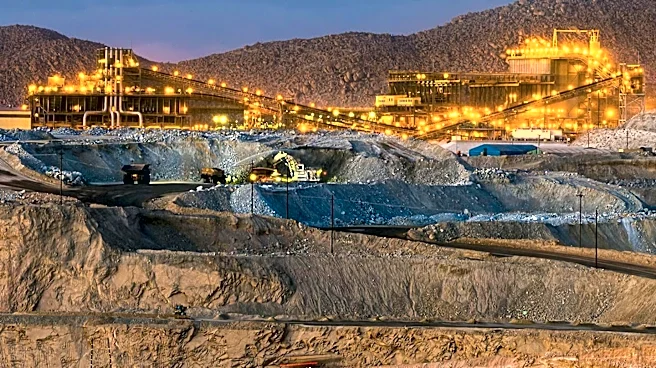
Mali's industrial gold production is expected to remain below 60 metric tons annually through 2029, according to a plan from the country's mines ministry. This projection follows the implementation of a revised mining code in 2023, which aimed to increase
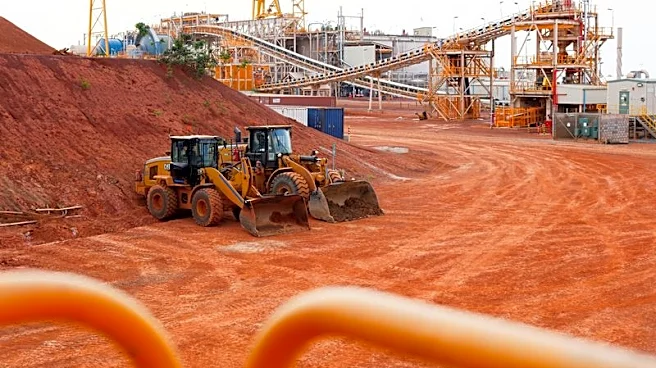
state revenues but has led to disputes between the government and mining companies. The plan forecasts a gradual increase in production from 43.2 tons in 2026 to a peak of 57 tons in 2028, before declining to 50 tons in 2029. Major contributors to this output include B2Gold's Fekola mine and Barrick's Loulo-Gounkoto complex.
Why It's Important?
Mali's gold production is a critical component of the global gold market, and the projected output levels could influence global gold prices and supply. The country's mining reforms have created uncertainty among investors, potentially affecting future investments in Mali's mining sector. The disputes and subsequent settlements with major mining companies like Barrick highlight the challenges of balancing state interests with those of international investors. The stability of Mali's gold production is crucial for the country's economy, as gold is a significant export commodity.
What's Next?
The Malian government will need to navigate the complexities of its mining reforms to ensure a stable investment climate. Ongoing negotiations with mining companies will be essential to maintain production levels and attract new investments. The global gold market will closely watch Mali's production trends, as any significant changes could impact global supply and pricing. Additionally, the government may need to address potential declines in industrial gold reserves, which are projected to decrease by 2029.