





What's Happening?
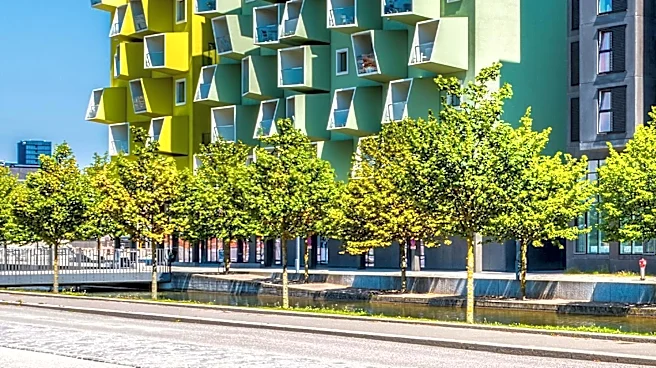
A new housing lottery has been launched for 239 mixed-income apartments in Red Hook, Brooklyn. The development, known as Columbia Commons, is the first large-scale residential project in the area, featuring three eight-story buildings. The apartments are available
to New Yorkers earning 40, 60, and 100 percent of the area median income, with rents ranging from $777 per month for studios to $2,668 for two-bedroom units. The project is a collaboration between Express Buildings and the nonprofit Jericho Project, which will provide on-site services for residents. The development aims to offer 100 percent affordable and supportive housing. Amenities include bike storage, a shared laundry room, outdoor spaces, and a community center. Applications for the lottery are open until August 28, 2026, with a preference for 20 percent of the units given to residents of Brooklyn Community Board 6.
Why It's Important?
The introduction of affordable housing in Red Hook addresses the critical need for accessible living spaces in New York City, where housing costs have been a significant issue. This development not only provides affordable options but also integrates supportive services, which can help improve the quality of life for residents. The project reflects a broader trend of urban development aimed at increasing housing affordability and accessibility. By offering a range of income-based rental options, the development supports diverse community demographics and promotes economic inclusivity. Additionally, the project’s focus on sustainability, with energy-efficient appliances and high-speed internet, aligns with modern urban planning goals.
What's Next?
As the application deadline approaches, potential residents will be preparing their submissions, and the selection process will follow. The success of this project could influence future developments in the area, potentially leading to more affordable housing initiatives. Stakeholders, including local government and community organizations, will likely monitor the project's impact on the neighborhood's socio-economic dynamics. The outcome of this lottery could also inform policy decisions regarding housing affordability and urban development strategies in other parts of New York City.