

What's Happening?
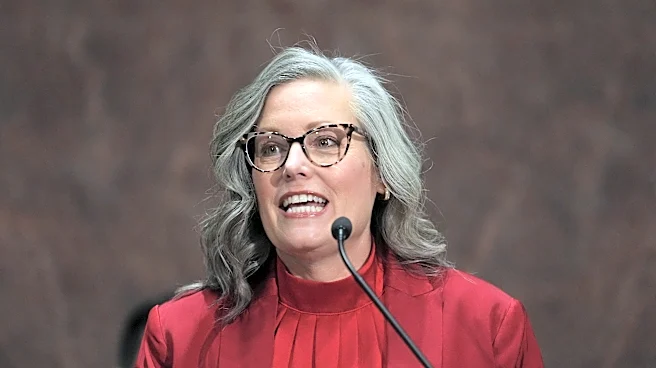
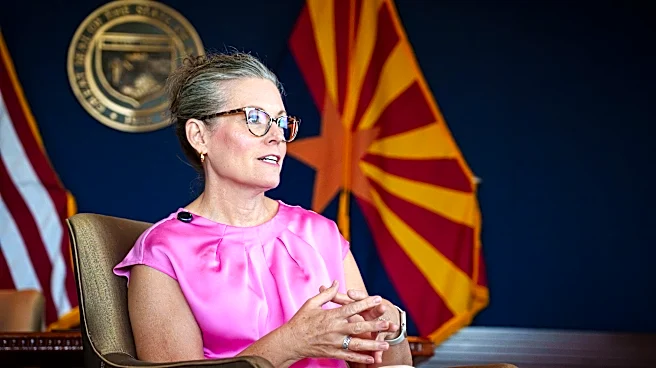
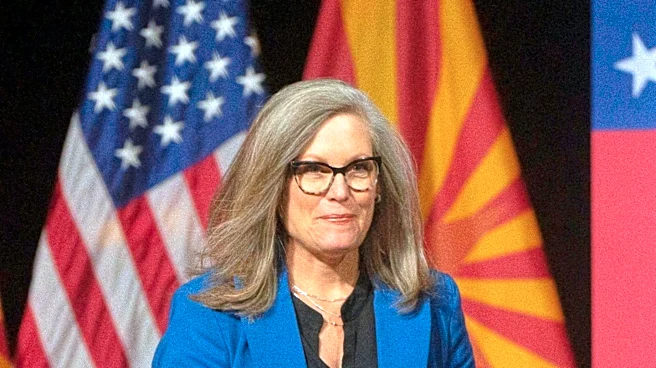
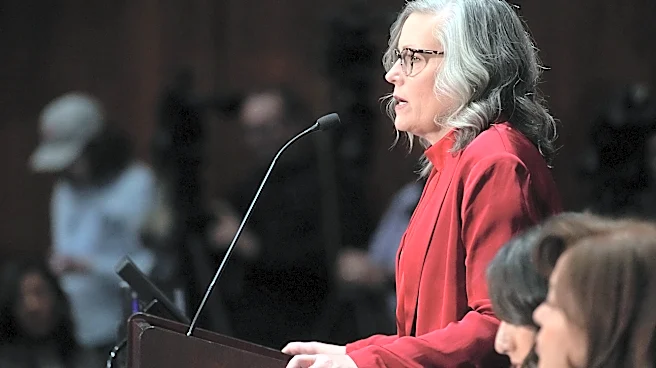
The Arizona Attorney General's Office has announced it will not be filing charges against Governor Katie Hobbs following a two-year investigation into bribery-related accusations. The investigation stemmed from allegations that Governor Hobbs had ties
to a group home operator, Sunshine Residential Homes, which received a significant rate hike from the state after making six-figure donations to the Governor's inauguration fund and the Arizona Democratic Party. Despite the timing of these events raising 'serious questions,' a legal analysis published by the Attorney General's Office concluded that the investigation did not uncover evidence of the necessary 'quid pro quo' to support a bribery charge. The probe involved 12 interviews, reviews of campaign finance records, procurement records, bank documents, and state emails and chats. Governor Hobbs consistently denied discussing contract rates or procurement decisions with anyone affiliated with Sunshine and stated that no financial support influenced state agency decisions.
Why It's Important?
This decision is significant for Arizona politics, as it clears Governor Hobbs of direct legal wrongdoing in a high-profile 'pay-to-play' accusation. The investigation, and its conclusion, highlight the complexities of campaign finance and the legal threshold for bribery, particularly when political contributions precede favorable state actions. The Attorney General's analysis noted that punishing official acts following political contributions, without further evidence, could criminalize conduct long considered within legal bounds, given the nature of private campaign financing. This outcome could influence public perception of the relationship between political donations and government decisions, potentially fueling calls for greater transparency in political funding, especially from state contractors. The case also underscores the challenges in proving a direct exchange of favors for contributions, even when circumstances appear suspicious.
What's Next?
While the Attorney General's Office will not pursue charges, the legal analysis indicated that the Auditor General's Office is conducting an additional investigation, which may require the Attorney General's Office's involvement in the future. Attorney General Kris Mayes has stated that the case demonstrates a need for legislative reform to ensure greater transparency regarding political donations made by state contractors, urging the Legislature and Governor to work together on this issue. However, the decision has already drawn criticism from political opponents. State Senate President Warren Petersen, a Republican challenging Mayes for the Attorney General post, condemned the decision, alleging it was politically motivated and protected an ally. This suggests the issue will likely remain a point of contention in Arizona's political landscape, particularly during the upcoming election season.
Beyond the Headlines
The investigation and its outcome delve into the ethical and legal boundaries of political contributions and their potential influence on government decisions. The Attorney General's conclusion, emphasizing the lack of a 'quid pro quo,' highlights the difficulty in legally distinguishing between legitimate political donations and illicit bribery, especially when large sums are involved and followed by beneficial outcomes for donors. This case could contribute to broader discussions about campaign finance reform and the need for clearer regulations to prevent even the appearance of impropriety. It also touches upon the inherent tension in a system where private funding is essential for political campaigns, yet can create perceptions of undue influence. The call for legislative reform by Attorney General Mayes suggests a recognition that while no crime was proven, the current system may lack sufficient safeguards or transparency to maintain public trust.