




What's Happening?
The Trump administration has proposed a significant restructuring of the decennial U.S. Census for 2030. This overhaul, announced by the U.S. Census Bureau via a Federal Register post, aims to exclude undocumented immigrants, asylum seekers, and individuals
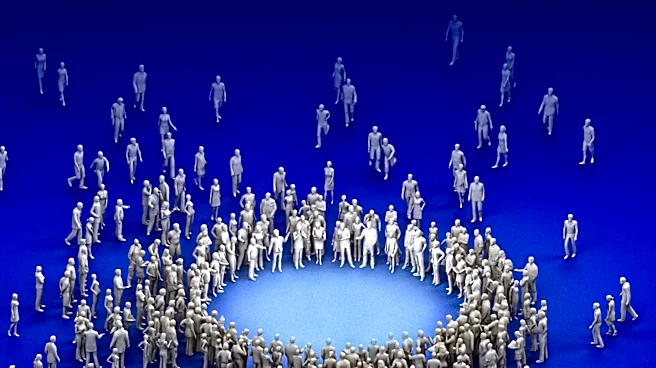
without permanent status from the apportionment count. Additionally, the proposal seeks to eliminate traditional questions related to race, ethnicity, and LGBTQ+ identification. The Census Bureau argues that individuals lacking a 'sufficient tie and allegiance to the United States' should not be considered 'true inhabitants' for apportionment purposes. This move echoes President Trump's previous attempt to include a citizenship question in the 2020 Census. Critics, including data researchers like Beth Jarosz, vice president of the Association of Public Data Users, have labeled these proposals as 'unprecedented' and detrimental to data quality. Historically, the census has counted all persons residing in the U.S., regardless of immigration status, and race-related questions have been a part of the census since 1790.
Why It's Important?
These proposed changes to the 2030 Census carry profound implications for the allocation of resources and political representation across the United States. Census figures are crucial for determining the number of seats each state holds in the U.S. House of Representatives and, consequently, the number of votes in the Electoral College. By excluding millions of immigrants, the plan could significantly alter the demographic landscape used for these calculations, potentially shifting political power. Beth Jarosz warns that undercounts or miscounts could dilute the political representation of certain populations. Furthermore, the elimination of race, ethnicity, and LGBTQ+ data would severely impact researchers and advocacy groups who rely on this information to identify and address issues such as discrimination, crime rates, and wealth disparities in various communities. Manjusha Kulkarni, co-founder of Stop AAPI Hate, emphasizes that such data is vital for lawmakers, healthcare providers, and public safety officials to ensure the well-being of all Americans. The absence of this data could lead to misallocation of resources for public health emergencies and disaster relief, putting everyone at risk.
What's Next?
The proposed changes are currently open for public comment for 30 days, providing an opportunity for various stakeholders to voice their concerns and opinions. Following this period, the Trump administration will likely review the feedback before finalizing the census methodology. Given the controversial nature of these proposals and their potential impact on constitutional mandates to count all persons, it is highly probable that legal challenges will emerge. Advocacy groups, civil rights organizations, and potentially state governments are expected to contest these changes in court, similar to the legal battles surrounding the citizenship question in the 2020 Census. The outcome of these legal challenges will determine whether the proposed exclusions and data eliminations are implemented for the 2030 Census, ultimately shaping the demographic and political future of the U.S. for the next decade.
Beyond the Headlines
The proposed census overhaul extends beyond mere data collection; it touches upon fundamental questions of national identity, democratic representation, and the role of government in defining who counts as part of the 'body politic.' The argument that 'illegal aliens' lack a 'sufficient tie and allegiance' to the U.S. challenges the historical precedent of counting all residents, regardless of status, and could set a new legal and philosophical standard for citizenship and belonging. The removal of race and ethnicity questions, which have been integral since 1790 and expanded to include multiracial identities, could be seen as an attempt to obscure demographic realities and undermine efforts to understand and address systemic inequalities. This move could foster a perception that certain communities are deemed less significant or even invisible by the government. The politicization of the Census Bureau, a historically non-political entity, raises concerns about the integrity of future data collection and its potential to be manipulated for political gain, eroding public trust in official statistics and democratic processes.