


What's Happening?
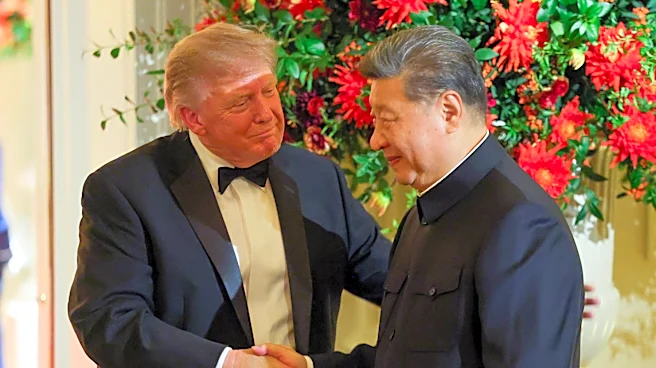
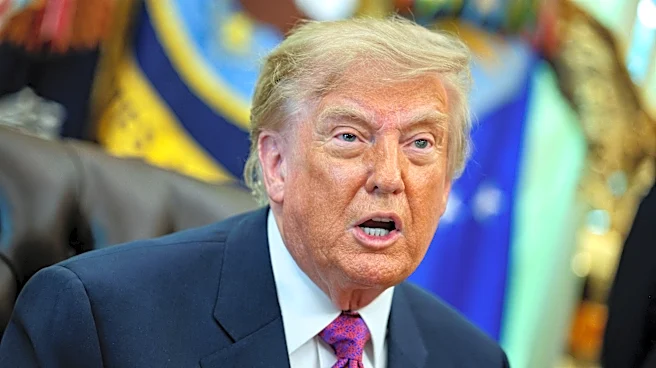
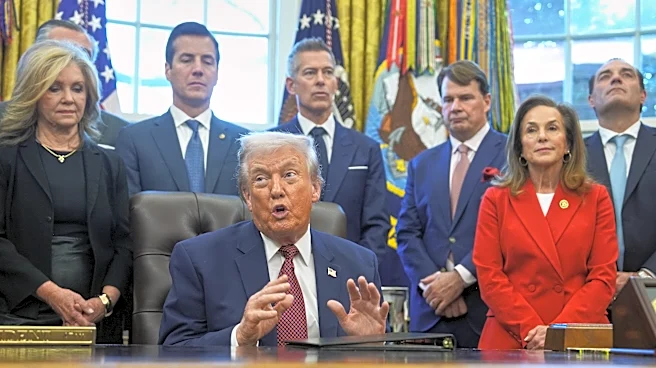
On June 29, 2026, President Trump declared an emergency and authorized the Secretary of Commerce to suspend the collection of countervailing duties (CVDs) on phosphate fertilizer imported from Morocco. These duties, which offset foreign subsidies, had
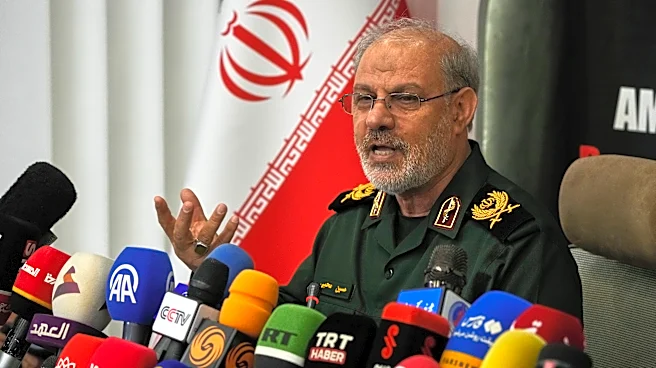
been in effect since 2021. The decision was made under Section 318(a) of the Tariff Act of 1930. This action follows a period where U.S. prices for certain phosphate fertilizers surged to their highest levels since September 2025, particularly after a U.S. conflict with Iran in February 2026. The suspension applies specifically to Moroccan phosphate fertilizer, not Russian imports, which also faced CVDs. The U.S. Department of Commerce has since issued instructions for importers seeking duty-free entry, and several requests have already been granted.
Why It's Important?
The suspension of CVDs on Moroccan phosphate fertilizer carries significant implications for the U.S. agricultural sector and trade policy. U.S. agricultural groups have advocated for removing these duties, believing it will lower fertilizer prices for farmers, who rely on phosphate fertilizers for essential crop growth. Conversely, some U.S. fertilizer manufacturers support the CVDs, arguing they are necessary to counter unfair foreign government subsidies and protect the domestic industry. The debate highlights a fundamental tension between supporting domestic industries through tariffs and ensuring affordable input costs for other critical sectors like agriculture. The move could alleviate financial pressure on farmers facing high input costs, potentially impacting food production costs and consumer prices.
What's Next?
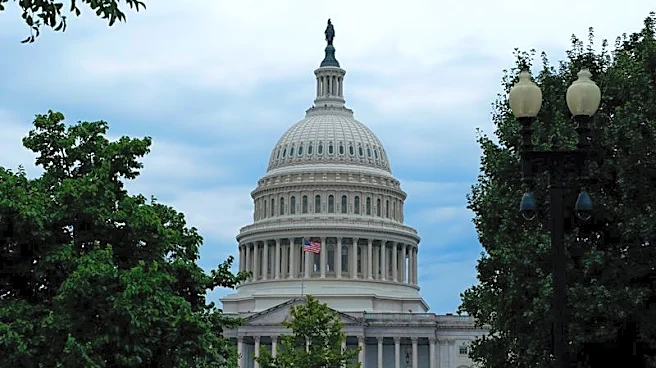
The suspension of CVDs on Moroccan phosphate fertilizer is likely to spark further debate and potential legislative action in Congress. Some Members of Congress have already urged the U.S. International Trade Commission (ITC) to revoke CVDs or supported their suspension through legislation, while others have historically backed the duties to protect the U.S. fertilizer industry. Congress could consider amending CVD law to require the ITC to factor in the impact on downstream users, such as farmers, in its determinations. Additionally, the legal interpretation of Section 318(a) of the Tariff Act of 1930, which President Trump cited for this action, remains uncertain. Litigation following a similar invocation by President Biden in 2022 regarding solar cells and panels could set a precedent for how courts view the scope of this emergency authority, potentially affecting the long-term status of the fertilizer tariff suspension.
Beyond the Headlines
The President's use of Section 318(a) of the Tariff Act of 1930 to suspend tariffs raises deeper questions about executive power in trade policy and the balance between national security, economic interests, and domestic industry protection. This provision, enacted in 1930, was largely unused until recently, leading to legal challenges regarding its scope. The ongoing legal interpretations will shape future presidential authority to unilaterally adjust tariffs during declared emergencies. Furthermore, the situation underscores the complex interplay between international trade, agricultural policy, and geopolitical events. The U.S. conflict with Iran, mentioned as a factor in rising fertilizer prices, illustrates how global tensions can directly impact domestic economic sectors and necessitate rapid policy responses, even if those responses are controversial and subject to legal scrutiny.