








What's Happening?
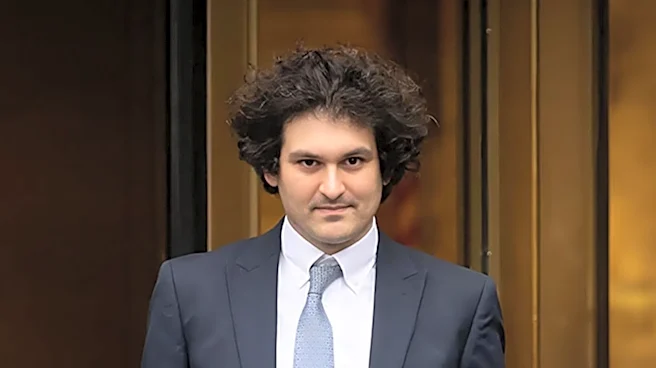
A federal appeals court in New York has upheld the conviction of Sam Bankman-Fried on fraud and conspiracy charges related to the collapse of his cryptocurrency exchange, FTX. Bankman-Fried was sentenced to 25 years in prison in 2024 for orchestrating
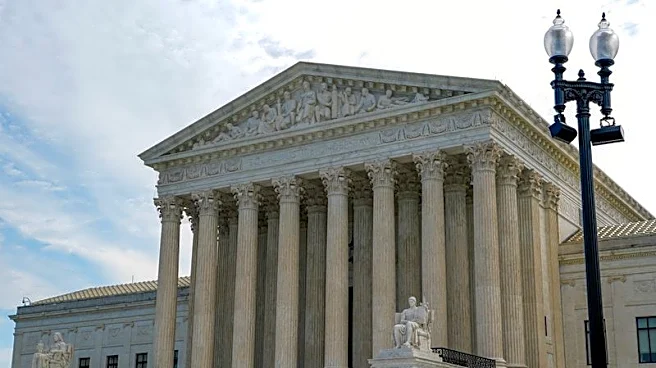
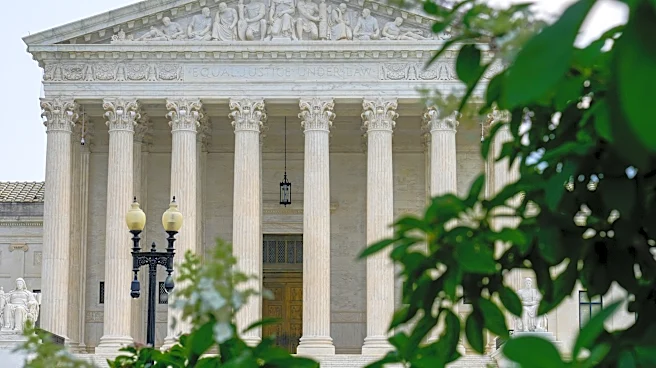
a massive financial fraud. The court found that he misappropriated billions of dollars from customers and investors, transferring funds to his hedge fund, Alameda, for unauthorized uses. Bankman-Fried's defense argued that his investments were sound and that investors would eventually be made whole, but the court rejected this, citing a U.S. Supreme Court precedent that fraud occurs when a material misstatement is used to deceive victims, regardless of intent to cause financial loss.
Why It's Important?
This ruling reinforces the legal precedent that intent to cause financial loss is not necessary for a fraud conviction, emphasizing the importance of transparency and honesty in financial dealings. The case highlights the vulnerabilities in the cryptocurrency market and the potential for significant financial misconduct. It serves as a warning to investors and regulators about the risks associated with digital currencies and the need for stringent oversight. The decision also underscores the judiciary's role in upholding financial regulations and protecting investors from fraudulent schemes.
What's Next?
With the appeal denied, Bankman-Fried will continue serving his 25-year sentence. The case may prompt further regulatory scrutiny of cryptocurrency exchanges and lead to more robust legal frameworks to prevent similar frauds. Investors and financial institutions might push for clearer guidelines and protections in the cryptocurrency space. Additionally, this case could influence future legal strategies in financial fraud cases, particularly those involving digital assets.