








What's Happening?
California Governor Gavin Newsom has signed several SPUR-sponsored bills aimed at accelerating housing construction and upgrading existing homes for climate readiness. Among these, two key bills focus on streamlining home electrification and solar panel
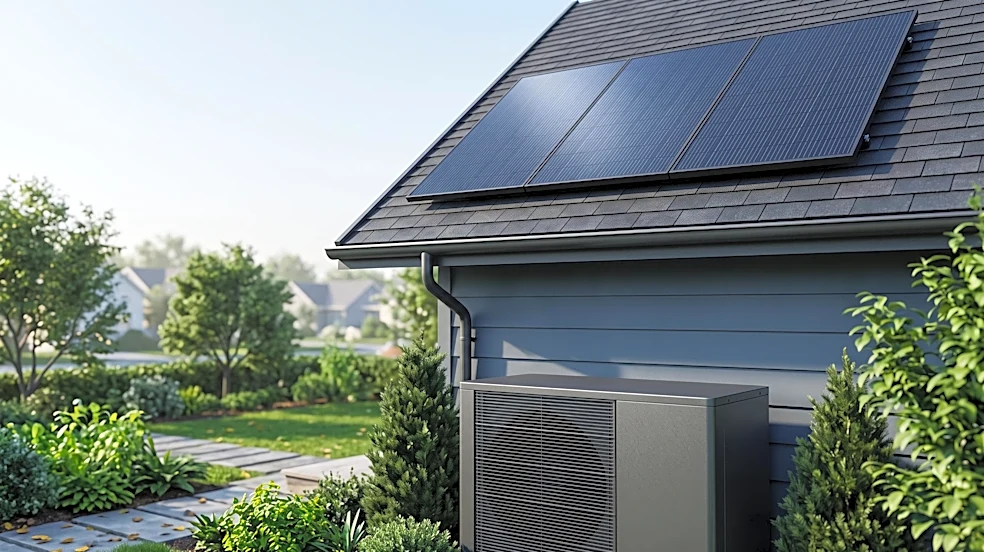
installations. SB 222 (Wiener) modernizes and standardizes permitting for heat pump water heaters and heat pump HVAC systems, requiring cities and counties to offer asynchronous inspections for basic installations and online automated permitting for simple swap-outs. This bill also limits installations to one permit, caps permit fees, and prevents homeowners associations from blocking heat pump installations. Additionally, AB 1738 (Carrillo) mandates that cities and counties offer remote virtual inspections for solar panels, battery storage, heat pump water heaters, HVAC changes, and re-roofing on one- and two-family homes. These legislative actions are designed to reduce red tape, lower costs, and expedite the process of electrifying homes and installing solar energy systems.
Why It's Important?
These new California laws are significant for several reasons. By streamlining permitting and inspection processes, they directly address common barriers that have historically increased the cost and time associated with home electrification and solar adoption. This is crucial for California's ambitious climate goals, as it makes it easier and more affordable for residents to transition away from fossil fuels and embrace renewable energy. The legislation also empowers homeowners by preventing HOAs from obstructing heat pump installations and by providing more efficient permitting options. This move is expected to accelerate the deployment of clean energy technologies in residential settings, contributing to reduced greenhouse gas emissions and improved energy efficiency across the state. The focus on remote inspections also reflects a modern approach to regulatory oversight, leveraging technology to enhance efficiency without compromising safety standards.
What's Next?
With these bills now signed into law, California cities and counties will be required to implement the new streamlined permitting and inspection processes for home electrification and solar installations. This will involve developing online automated permitting systems and establishing protocols for asynchronous and remote virtual inspections. Compliant plug-in or 'balcony' solar kits, legalized and streamlined by SB 868 (Wiener), are expected to enter the market early next year, offering accessible solar options for renters and lower-income households. SPUR, along with other organizations, will play a role in facilitating the implementation of these laws by convening local building departments, city staff, contractors, and software platform companies. The success of these initiatives will depend on effective collaboration between state and local entities to ensure smooth adoption and widespread public awareness of the new, simplified procedures.
Beyond the Headlines
Beyond the immediate benefits of reduced costs and faster installations, these legislative changes in California signal a broader commitment to an equitable climate transition. By making clean energy upgrades more accessible and affordable, the state is working to ensure that the benefits of electrification are not limited to a select few. The legalization of 'balcony' solar, for instance, opens up renewable energy options for renters and apartment dwellers, who have traditionally faced significant barriers to solar adoption. This holistic approach, combining regulatory reform with incentives for diverse housing types, could serve as a model for other states looking to accelerate their own clean energy transitions. It also underscores the growing recognition that addressing climate change requires not only technological innovation but also systemic changes to bureaucratic processes and equitable access to sustainable solutions.