



What's Happening?
The New Jersey Department of Health and the New Jersey Office of Emergency Management (NJOEM) are reminding residents to prioritize preparedness during National Preparedness Month. Health Commissioner Dr. Raynard E. Washington emphasized that unexpected
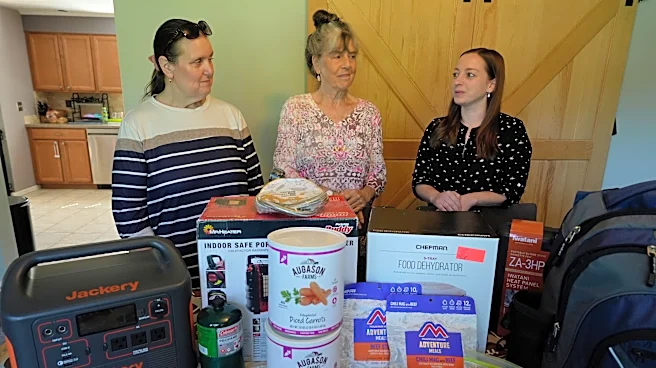
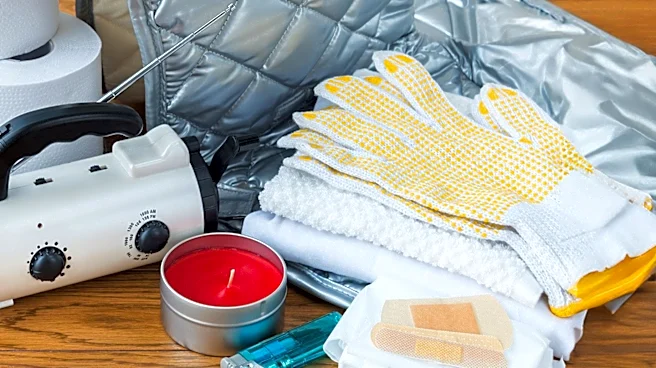
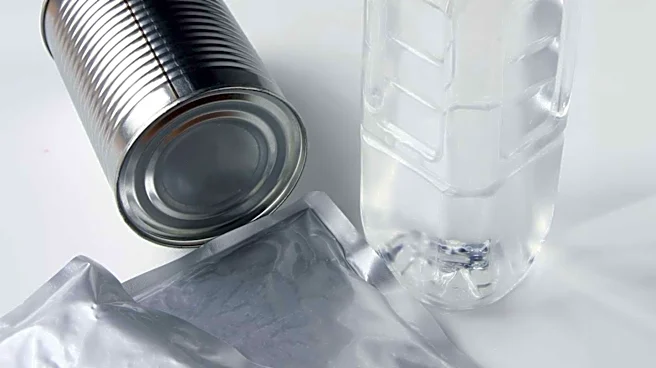
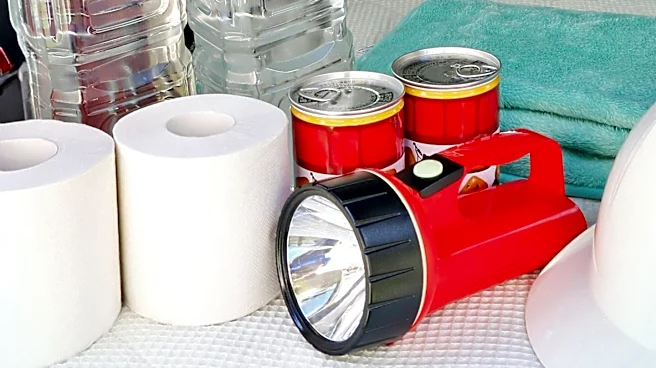
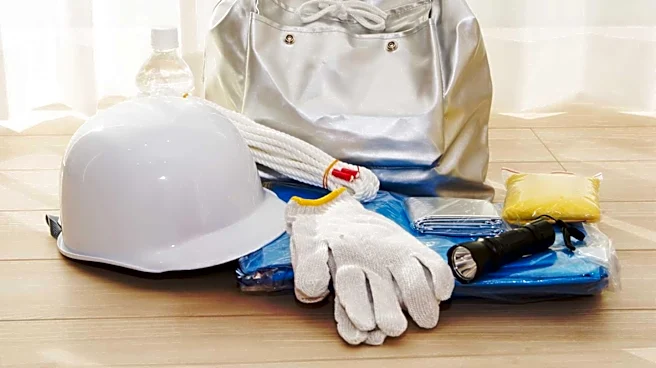
emergencies, including extreme weather and communicable diseases, can significantly impact communities. Jeanne Hengemuhle, Acting Superintendent of the New Jersey State Police and Acting State Director of Emergency Management, highlighted preparedness as a shared responsibility, stressing the importance of proactive steps by families. The State Health Department's Division of Disaster Preparedness, Resiliency and Emergency Medical Services collaborates year-round with NJOEM and local officials to ensure resident safety. Residents are encouraged to create emergency plans, build emergency kits, stay informed, and know where to seek help. Specific advice includes planning for various emergencies, safeguarding homes against carbon monoxide and mold, and staying updated on vaccinations and food safety.
Why It's Important?
This initiative is crucial for enhancing community resilience across New Jersey. By encouraging individual and family preparedness, the state aims to reduce the impact of emergencies, save lives, and minimize disruptions to daily life. The emphasis on a shared responsibility between government agencies and citizens underscores a comprehensive approach to disaster management. For residents, being prepared means having essential supplies, knowing evacuation routes, and understanding how to protect their homes from common hazards like carbon monoxide and mold. This proactive stance can alleviate pressure on emergency services during crises, allowing them to focus on the most critical situations. Furthermore, promoting awareness about communicable diseases and food safety contributes to overall public health, preventing secondary health crises during or after an emergency event. The campaign also highlights resources like NJ 211 and Register Ready, ensuring vulnerable populations receive necessary assistance.
What's Next?
The New Jersey Department of Health and NJOEM will continue their public awareness campaigns throughout National Preparedness Month and beyond, reinforcing the importance of emergency readiness. Residents can expect ongoing communication through various channels, including official websites and local alerts, providing guidance on creating emergency plans and kits. State and local agencies will likely continue to conduct drills and exercises to test their emergency response capabilities and refine coordination efforts. The focus will remain on empowering individuals and families with the knowledge and resources needed to act effectively during emergencies. Furthermore, the state will likely continue to update its preparedness guidelines based on evolving threats, such as new weather patterns or public health concerns, ensuring that advice remains relevant and effective for all New Jerseyans.
Beyond the Headlines
The ongoing emphasis on emergency preparedness in New Jersey reflects a broader national trend towards building more resilient communities in the face of increasing environmental and public health challenges. Beyond immediate safety, a well-prepared populace can significantly reduce the economic fallout from disasters, as businesses and individuals are better equipped to recover quickly. This initiative also touches upon critical social equity issues, as health-related emergencies often disproportionately affect vulnerable populations. By providing accessible information and resources, the state aims to mitigate these disparities. The campaign subtly reinforces the idea that preparedness is not a one-time event but an ongoing lifestyle choice, fostering a culture of vigilance and self-reliance that benefits the entire community in the long run, promoting a more robust and adaptable society.