
What's Happening?
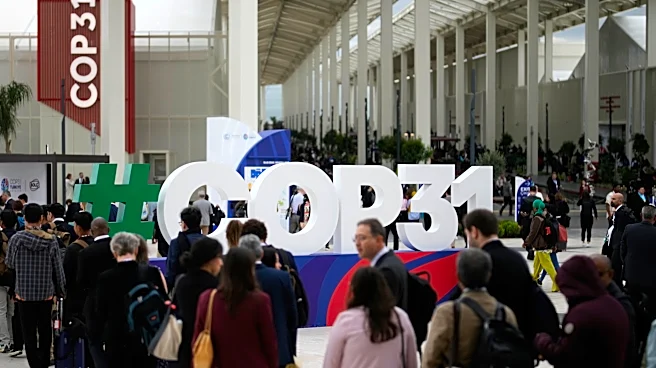
During the COP31 conference in Antalya, Hassan Bakhit Djamous, Chad's Minister of Environment, Fisheries, and Sustainable Development, held a bilateral meeting with Mikleo Ollikainen, the Director of the Adaptation
Fund. The discussions focused on strengthening cooperation between Chad and the Adaptation Fund, with a primary emphasis on accelerating the accreditation process for Chad's Special Environmental Fund (FSE). This accreditation is a top priority for Chad's Head of State, Marshal Mahamat Idriss Deby Itno. Additionally, the meeting addressed the urgent need to expedite the implementation of the ECOVERSE project, which has already secured funding from the Adaptation Fund. The Chadian delegation also sought diligent review and approval for three other projects currently awaiting endorsement. This engagement underscores Chad's commitment to mobilizing climate finance, solidifying strategic partnerships, and accelerating environmental protection and climate change adaptation initiatives.
Why It's Important?
Chad's proactive stance at COP31 is crucial for its environmental resilience and sustainable development. As a country highly vulnerable to the impacts of climate change, securing international climate finance is vital for implementing adaptation and mitigation projects. The accreditation of the Special Environmental Fund (FSE) would enable Chad to directly access and manage climate finance, enhancing its capacity to address environmental challenges more effectively and efficiently. The acceleration of the ECOVERSE project and the approval of other submitted projects are critical for on-the-ground interventions that can protect ecosystems, support vulnerable communities, and build climate resilience. These efforts are essential for Chad to meet its national environmental goals and contribute to global climate action, while also fostering economic development that is sustainable and climate-smart. The partnerships forged at such international forums are key to unlocking the resources and expertise needed for these ambitious environmental programs.
What's Next?
Following the discussions at COP31, the immediate next step for Chad will be to continue working closely with the Adaptation Fund to expedite the accreditation of its Special Environmental Fund (FSE). This process will likely involve fulfilling specific administrative and operational requirements set by the Adaptation Fund. Concurrently, efforts will be intensified to accelerate the implementation phase of the ECOVERSE project, ensuring that the approved funding translates into tangible environmental benefits on the ground. Chad will also be awaiting decisions on the three other projects submitted for approval, with ongoing engagement with the Adaptation Fund to facilitate their review. These actions are part of Chad's broader strategy to enhance its capacity for climate finance mobilization and project execution, aiming to strengthen its environmental protection and climate change adaptation programs in the coming months and years.
Beyond the Headlines
Chad's push for direct access to climate finance through the accreditation of its Special Environmental Fund reflects a broader trend among developing nations to gain greater autonomy and efficiency in managing climate-related investments. By bypassing intermediary institutions, countries can potentially reduce administrative overheads and tailor projects more closely to local needs and priorities. This move also signifies a growing recognition of the importance of national ownership in climate action. The emphasis on accelerating projects like ECOVERSE highlights the urgency of addressing climate change impacts, particularly in vulnerable regions. Beyond the immediate environmental benefits, successful implementation of these projects can foster local capacity building, create green jobs, and promote sustainable practices, contributing to long-term socio-economic development. This strategic engagement at international forums like COP31 is critical for translating global climate commitments into concrete national actions and building resilience against future environmental shocks.