








What's Happening?
The Hawaii Senate and House money committees have reached a compromise on a measure that will impact the state's income tax plan and several popular tax credits, including the Renewable Energy Tax Credit. This proposal is part of a broader effort to address
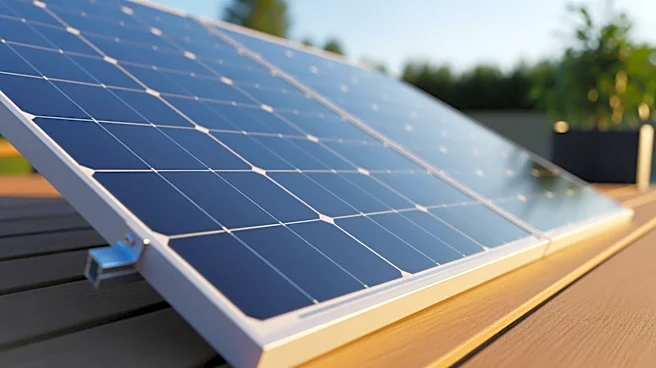
a projected $400 million financial shortfall by 2032 due to cuts in federal funding. The measure will phase out the Renewable Energy Tax Credit, which is primarily used for rooftop solar installations. The proposal caps the amount the state can spend on this credit at $40 million for four years, with a complete phase-out by 2031. Additionally, the measure introduces a new tax bracket for millionaire households and continues to increase the standard deduction, which will be nearly six times higher by 2031 compared to 2024.
Why It's Important?
The phasing out of the Renewable Energy Tax Credit reflects a significant policy shift in Hawaii's approach to balancing state budget concerns with renewable energy support. This change could impact the solar industry in Hawaii, potentially slowing the adoption of rooftop solar as financial incentives diminish. The decision to introduce a new tax bracket for high-income earners and increase the standard deduction aims to address budgetary constraints while maintaining some level of tax relief for lower and middle-income residents. The broader implications include potential changes in consumer behavior regarding solar investments and adjustments in the state's renewable energy goals.
What's Next?
As the proposal moves forward, the Hawaii Legislature will need to finalize the budget, which relies on the revenue generated from these tax changes. The House Finance Committee and Senate Ways and Means Committee will open negotiations on the budget, with some state senators expressing concerns over proposed cuts to essential services. The outcome of these negotiations will determine the final structure of the tax plan and its impact on Hawaii's financial and renewable energy landscape.