


What's Happening?
The Federal Emergency Management Agency (FEMA), in coordination with the Federal Communications Commission (FCC), conducted a nationwide test of the Emergency Alert System (EAS) on Tuesday, November 17, 2026, at approximately 2:20 p.m. ET. This test briefly
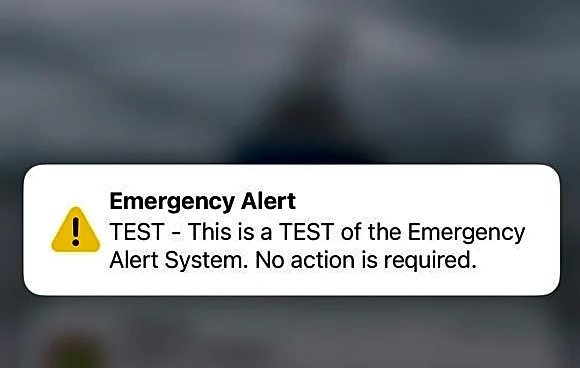
interrupted radio and television programming across the United States for about one minute. The message broadcast stated, "This is a nationwide test of the Emergency Alert System, issued by the Federal Emergency Management Agency. This is only a test. No action is required by the public." The alert included standard EAS tones to ensure accessibility for individuals who are deaf or hard of hearing and could be broadcast in English, Spanish, or both, depending on the station. This year's test specifically focused on the EAS for radio and television and did not include Wireless Emergency Alerts (WEA) sent to cell phones, which were last tested in 2023. FEMA Administrator Cameron Hamilton emphasized that these operational tests are crucial for identifying and resolving potential issues before an actual emergency occurs, ensuring the system's effectiveness when critical information needs to be disseminated.
Why It's Important?
This nationwide test is a legally mandated exercise, required at least once every three years, to ensure the reliability and functionality of the country's public alert and warning infrastructure. The EAS is a vital tool for the President and other authorities to communicate life-saving information to the American public during national emergencies, such as natural disasters, acts of terrorism, or other critical events. By regularly testing the system, FEMA and the FCC can identify any technical glitches, operational shortcomings, or areas for improvement within the vast network of radio, television, cable, satellite, and wireline video providers. A well-functioning EAS is critical for public safety, as it enables rapid dissemination of urgent warnings, potentially saving lives and mitigating damage during crises. The absence of cell phone alerts in this test highlights a strategic focus on the traditional broadcast components of the system, ensuring that these foundational elements remain robust and effective.
What's Next?
Following the completion of the nationwide EAS test, FEMA and the FCC will review the results to assess the system's performance. This review process will involve analyzing data collected from broadcasters and providers across the country to identify any technical or operational issues that may have arisen during the test. Based on these findings, FEMA will work to address any identified deficiencies, implement necessary improvements, and ensure the system is fully prepared for future emergencies. A backup test date was scheduled for Thursday, December 3, 2026, in case the primary test could not proceed. The ongoing evaluation and refinement of the EAS are continuous processes, ensuring that the United States maintains a robust and reliable public warning system capable of reaching a broad audience during critical events. Future tests will likely continue to alternate between focusing on different components of the integrated public alert and warning system.
Beyond the Headlines
The routine nature of these nationwide tests often belies their profound importance in maintaining national resilience. In an era of increasing digital reliance and potential cyber threats, ensuring the functionality of traditional broadcast alert systems remains a critical safeguard. While Wireless Emergency Alerts offer direct communication to individuals, the EAS provides a broad, simultaneous reach across diverse media platforms, serving as a foundational layer of emergency communication. The public's familiarity with these tests, even if sometimes perceived as an inconvenience, is essential for fostering trust and ensuring compliance during actual emergencies. Furthermore, the legal mandate for these tests underscores a bipartisan recognition of the necessity for a robust national warning infrastructure, transcending political cycles and technological advancements to prioritize public safety and preparedness.