




What's Happening?
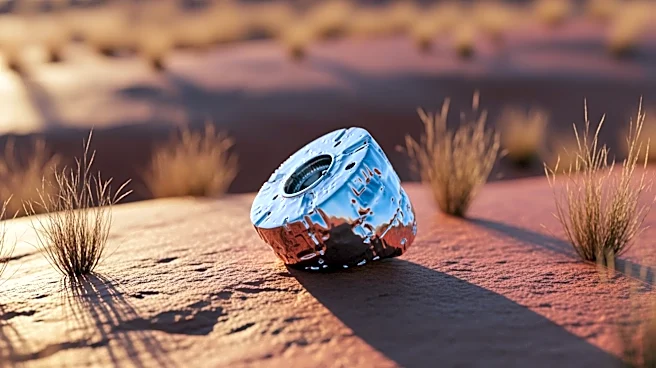
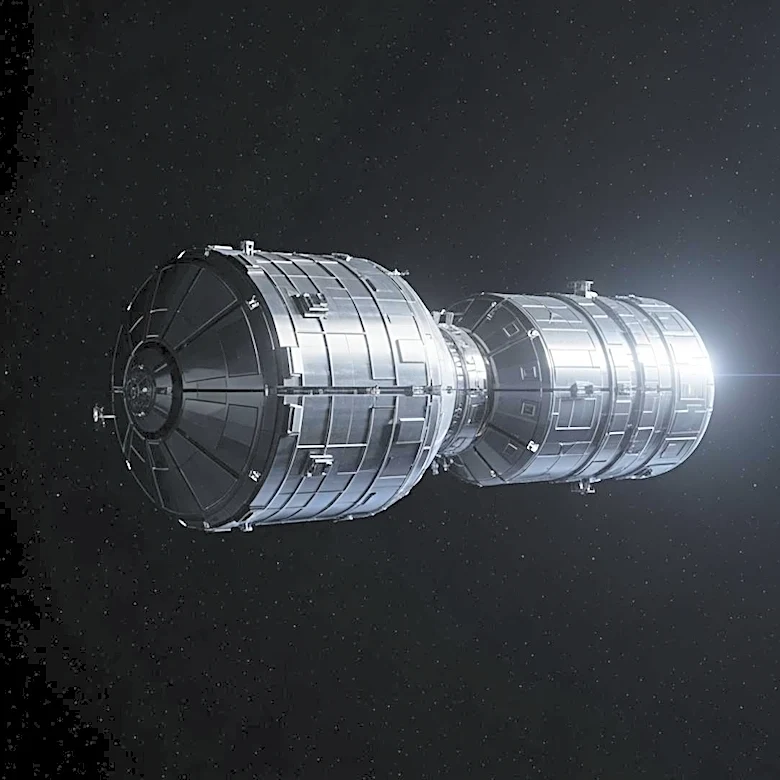
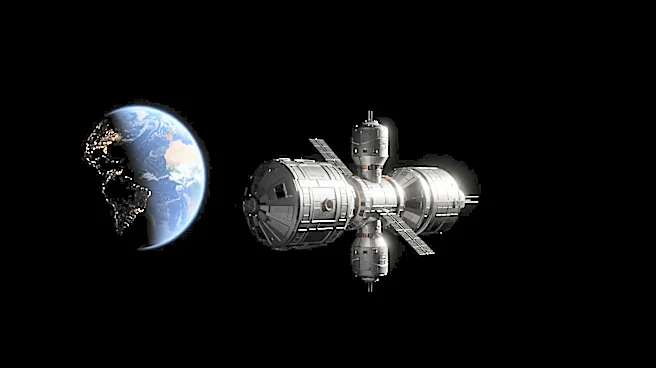
In July 1979, debris from NASA's Skylab space station fell over Western Australia, leading the Shire of Esperance to issue a $400 fine to NASA for littering. Skylab, launched in 1973, was the first U.S. space station and was not designed for a controlled
re-entry. Its orbit decayed faster than expected due to increased solar activity, and the Space Shuttle was not yet operational to assist. The fine was a humorous gesture, not a serious legal action, reflecting the local community's lighthearted response to the unexpected event.
Why It's Important?
The Skylab incident highlights the challenges of managing space debris and the potential risks of uncontrolled re-entries. While the fine was symbolic, it underscores the need for international regulations and cooperation in space activities to prevent similar occurrences. The event also serves as a reminder of the importance of developing technologies for controlled de-orbiting of space objects to minimize risks to populated areas. The humorous fine has become a part of local folklore, illustrating the intersection of space exploration and community engagement.
Beyond the Headlines
The Skylab story continues to resonate as space agencies and private companies increase their activities in orbit. The incident raises questions about liability and responsibility for space debris, which remain relevant as the number of satellites and space missions grows. The fine, though a joke, points to the broader issue of how communities might respond to space-related incidents and the need for clear policies on space debris management.