







What's Happening?
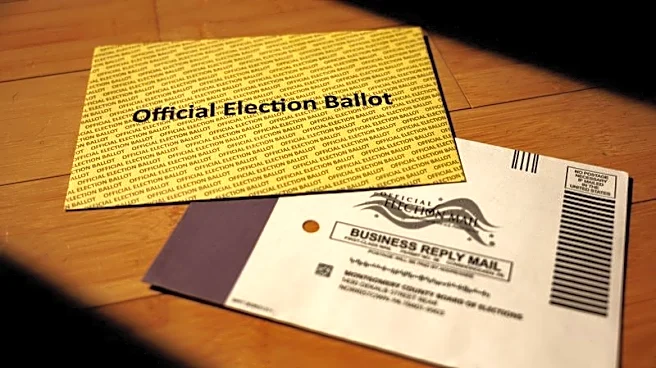
Senator Mike Lee, R-Utah, has publicly called for the impeachment of Judge Indira Talwani, an activist judge who has repeatedly blocked an executive order by President Trump concerning mail-in ballot integrity. The executive order, titled 'Ensuring Citizenship
Verification and Integrity in Federal Elections,' was signed in March and aimed to implement reforms using the federal government's authority over the United States Postal Service. Key provisions included preventing the delivery of ballots to individuals deemed ineligible to vote through database cross-checks and adding barcodes to mail-in ballots for chain-of-custody tracking. Judge Talwani has issued multiple injunctions against the executive order, which have been challenged and, in some instances, overturned by the Supreme Court. Senator Lee's call for impeachment stems from his belief that the judiciary is compromised and that Judge Talwani is ruling based on ideology rather than constitutional principles, thereby obstructing the will of the people and the President's agenda.
Why It's Important?
Senator Lee's call for Judge Talwani's impeachment is important as it highlights significant tensions between the executive, legislative, and judicial branches regarding election integrity and judicial oversight. The repeated blocking of President Trump's executive order on mail-in ballots by a federal judge, followed by Supreme Court interventions, underscores the contentious nature of election reforms and the judiciary's role in shaping electoral processes. This situation raises questions about the separation of powers and the extent to which federal judges can impede executive actions, particularly on matters deemed critical for national elections. The debate also reflects broader concerns about judicial activism versus strict constitutional interpretation, with Senator Lee arguing that ideological rulings are undermining the integrity of the judicial system. The outcome of this dispute could influence future executive orders related to elections and potentially set precedents for how judicial challenges to such orders are handled, impacting the balance of power in U.S. governance.
What's Next?
Following Senator Lee's call, the impeachment process for a federal judge would involve the House of Representatives initiating proceedings by passing articles of impeachment, which would then be tried by the Senate. While Senator Lee has voiced his support for impeachment, the likelihood of Congress taking such action remains uncertain, as it is a rare and politically charged process. The ongoing legal battles over President Trump's executive order on mail-in ballots are expected to continue, with further appeals to the Supreme Court possible. The timing of these legal challenges, especially as an election approaches, could significantly impact the implementation of the proposed reforms. The situation will likely fuel further debate among political leaders, legal scholars, and civil society groups regarding judicial independence, election security, and the appropriate checks and balances within the U.S. government. The public's perception of judicial impartiality and the integrity of the electoral system could also be affected by these developments.
Beyond the Headlines
Beyond the immediate political and legal skirmishes, this situation delves into the fundamental principles of democratic governance and the role of an independent judiciary. The accusation of an 'activist judge' ruling on ideology rather than the Constitution raises profound questions about the politicization of the judiciary and the erosion of public trust in legal institutions. It highlights the ongoing ideological divide within the U.S. legal system and the challenges of maintaining judicial neutrality in highly contentious political matters. The debate also touches upon the broader issue of election integrity, a topic that has become increasingly polarized. The call for impeachment, while extreme, underscores the deep-seated frustrations among some political factions with what they perceive as judicial overreach. This could contribute to a long-term shift in how judicial appointments are viewed and contested, potentially leading to more intense scrutiny and politicization of the confirmation process for federal judges.