




What's Happening?
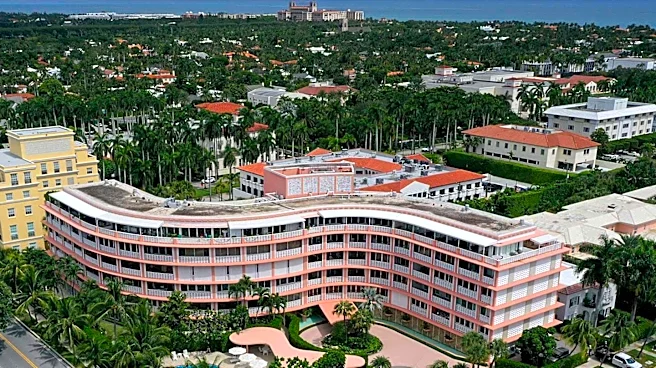
Boca Raton, a city in Palm Beach County, is experiencing tensions between developers and city officials over its future development. Following the election of a new mayor and three council members, the city has shifted from a developer-friendly stance
to a more restrictive approach. This change comes as Boca Raton's population has grown by over 4% since the pandemic, attracting wealth and businesses. Developers are facing new ordinances and shifting expectations, complicating the building process. The city council recently rejected a major development project, reflecting the community's resistance to rapid growth.
Why It's Important?
The developments in Boca Raton highlight the broader challenges cities face in balancing growth with community interests. As more people and businesses move to the area, the demand for development increases, but so do concerns about maintaining the city's character and infrastructure. The new leadership's restrictive measures could deter developers, impacting economic growth and job creation. This situation underscores the need for cities to find a middle ground that accommodates growth while preserving community values.
What's Next?
Boca Raton's leadership will need to navigate the complexities of urban development, potentially revisiting their approach to accommodate both developers and residents. The city may explore new policies that encourage responsible development while addressing community concerns. Developers might need to adapt their strategies to align with the city's new direction, possibly leading to innovative solutions that balance growth with sustainability. The outcome of these efforts could serve as a model for other cities facing similar challenges.
Beyond the Headlines
The situation in Boca Raton reflects a broader trend of cities grappling with the impacts of rapid growth. As urban areas expand, they must consider the long-term implications of development on infrastructure, environment, and community identity. The tensions in Boca Raton could prompt discussions on sustainable urban planning and the role of local governments in shaping city landscapes. This case may also influence how other cities approach development, potentially leading to more collaborative and inclusive planning processes.