
What's Happening?
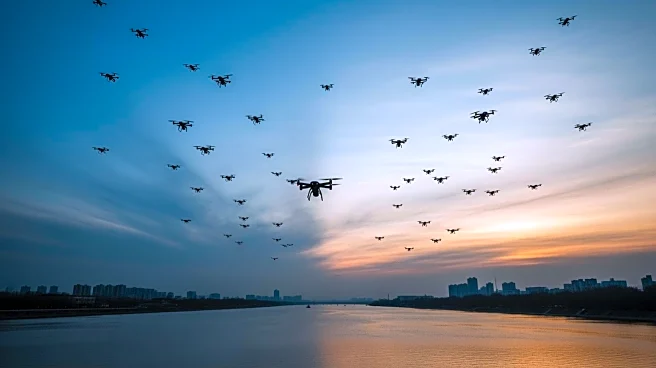
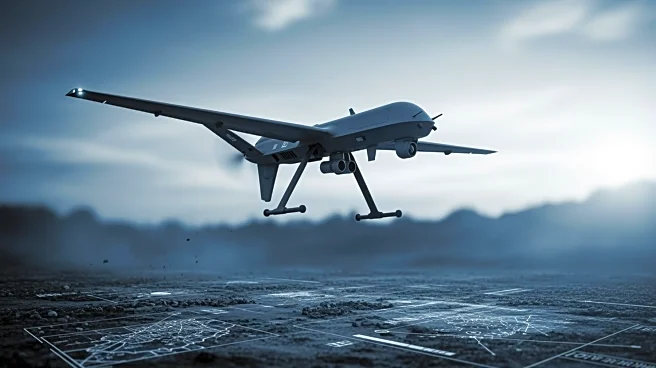
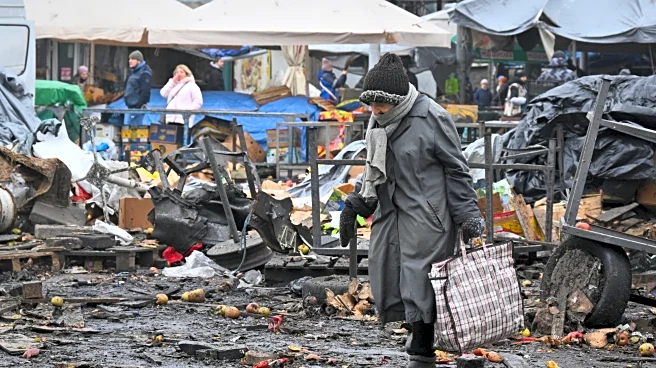
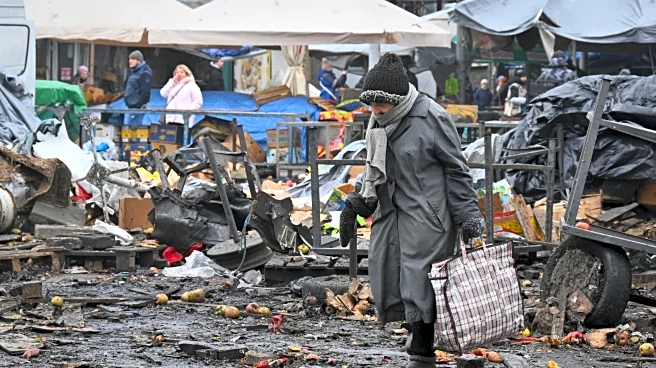
Drone strikes have resulted in civilian casualties in both Ukraine and Russia, as reported by officials. In Ukraine, an elderly woman was killed when a Russian drone hit a residential building in Odesa. Meanwhile, in Russia, a civilian died in a Ukrainian
drone strike on a car in the Bryansk region. These incidents occurred just before new US-brokered peace talks are set to take place in Geneva. The ongoing conflict continues with relentless Russian attacks on Ukrainian civilian areas and infrastructure, while Ukraine conducts long-range drone attacks on Russian assets. Previous US-led peace efforts have not resolved key issues, such as the status of Ukraine's Donbas region, which remains largely under Russian control.
Why It's Important?
The continuation of drone strikes highlights the persistent volatility and human cost of the Ukraine conflict, underscoring the challenges faced by diplomatic efforts to broker peace. The involvement of the United States in facilitating talks indicates the international community's vested interest in resolving the conflict, which has broader implications for regional stability and international relations. The ongoing violence affects not only the immediate regions but also has potential spillover effects on global security and economic conditions, particularly in Europe. The failure to reach a consensus in previous talks suggests that achieving a lasting peace agreement remains complex and fraught with geopolitical tensions.
What's Next?
The upcoming peace talks in Geneva represent another opportunity for diplomatic resolution, though the history of failed negotiations casts doubt on their potential success. The international community, particularly the US and European allies, may need to consider additional measures to support Ukraine and pressure Russia into meaningful concessions. The talks will likely address critical issues such as security guarantees for Ukraine and the future of contested regions like Donbas. The outcome of these discussions could significantly influence the trajectory of the conflict and the geopolitical landscape in Eastern Europe.