






What's Happening?
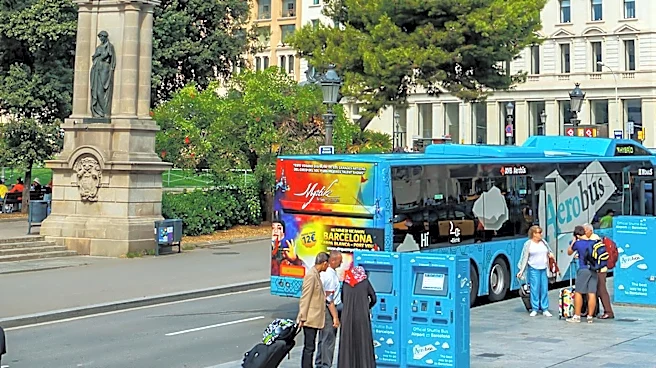
Barcelona, Spain, a city renowned for its cultural heritage and architecture, is actively addressing the challenges posed by overtourism. Authorities are implementing a series of measures to manage the significant influx of visitors. These actions include
plans to revoke all licenses for short-term housing rentals, such as those found on platforms like Airbnb, by 2028. This initiative aims to alleviate skyrocketing housing prices and increase housing availability for residents in the inner city. Additionally, limits are being placed on the construction of new hotels in central areas. The city also intends to reduce the number of cruise ship terminals to decrease the volume of cruise passengers and has banned large tour groups from the city center. These efforts are a direct response to growing concerns among residents regarding overcrowding, housing pressures, and the impact of mass tourism on their daily lives. Despite these measures, Barcelona continues to attract millions of tourists annually, with a record 8.1 million guests from January to July, generating 22 million overnight stays, a 2.2% increase from the previous year.
Why It's Important?
The measures taken by Barcelona are significant as they represent a growing trend in popular European destinations to prioritize sustainable urban development and the well-being of local communities over unchecked tourism growth. The decision to revoke short-term rental licenses and restrict new hotel developments directly impacts the tourism industry, potentially leading to fewer accommodation options for visitors and higher costs. This shift could influence how tourists plan their trips, encouraging them to consider hotels or alternative, less saturated destinations. For residents, these policies aim to improve housing affordability and availability, addressing a critical quality-of-life issue. The broader implication is a re-evaluation of tourism models, moving from a focus on maximizing visitor numbers to one that balances economic benefits with environmental and social sustainability. This could set a precedent for other cities grappling with similar overtourism challenges, potentially reshaping the global tourism landscape.
What's Next?
Barcelona's authorities are set to continue implementing and enforcing these new tourism regulations. The plan to revoke short-term rental licenses by 2028 will progressively reduce the availability of such accommodations, likely leading to a greater reliance on traditional hotels. The impact of these changes on tourist numbers and local economies will be closely monitored, with potential adjustments to policies based on their effectiveness. Other European cities facing similar issues, such as Amsterdam and Venice, are also experimenting with various measures like tourist taxes and day-visitor charges, suggesting a broader trend towards managed tourism growth. This could lead to increased collaboration among cities to share best practices and develop more comprehensive strategies. Tourists visiting Barcelona in the coming years can expect a more regulated environment, potentially higher costs, and a greater emphasis on responsible travel practices. The success of these initiatives could influence future urban planning and tourism policies worldwide.
Beyond the Headlines
The actions in Barcelona highlight a deeper societal tension between economic growth driven by tourism and the preservation of local culture, community, and quality of life. The 'overtourism backlash' is not merely about crowded streets but reflects a fundamental questioning of who benefits from tourism and at what cost to residents. The protests, sometimes involving water pistols aimed at tourists, symbolize a frustration with perceived disrespect for local norms and the commodification of urban spaces. This situation raises ethical questions about the responsibility of tourists to be mindful of their impact and the role of local governments in protecting their citizens' interests. The long-term shift could lead to a redefinition of 'successful' tourism, moving away from purely economic metrics to include social and environmental indicators. It may also foster the development of alternative tourism models that promote deeper engagement with local communities and support sustainable practices, encouraging travelers to explore beyond traditional hotspots and engage more respectfully with their host destinations.