






What's Happening?
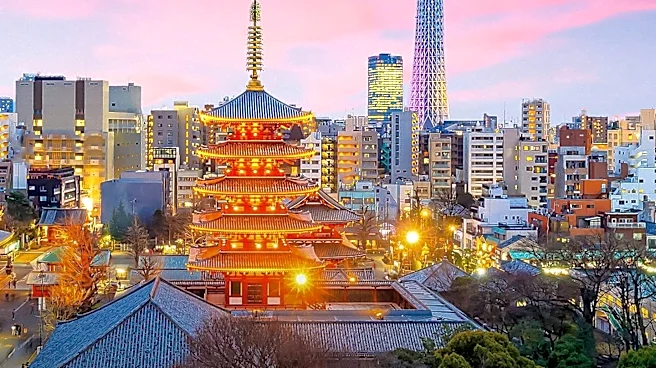
Tokyo, the capital of Japan, is a city where futuristic skyscrapers and advanced technology coexist with ancient temples and traditional gardens. The city is renowned for its impressive skyline, vibrant neon lights, and iconic districts such as Shibuya
Crossing and Tokyo Skytree, which offers panoramic views. Despite its modern facade, Tokyo actively preserves its cultural heritage, evident in historical sites like Senso-ji Temple in Asakusa and the serene Meiji Shrine. The city is also a global hub for fashion, shopping, and pop culture, with areas like Ginza known for luxury boutiques, Harajuku for street fashion, and Akihabara for anime, manga, and electronics. Tokyo's natural beauty is showcased through parks like Ueno Park and Shinjuku Gyoen, especially during cherry blossom season, providing green spaces amidst the urban environment. The city boasts efficient public transportation, including extensive train and subway networks, and high-speed Shinkansen trains connecting it to other parts of Japan.
Why It's Important?
While the source focuses on Tokyo as a travel destination, its description highlights broader implications for urban development and cultural preservation in a rapidly modernizing world. Tokyo's ability to integrate cutting-edge technology and infrastructure with deep-rooted traditions offers a model for other global cities facing similar challenges. The city's success in maintaining its cultural identity while embracing innovation demonstrates that economic growth and technological advancement do not necessitate the abandonment of heritage. For U.S. cities, Tokyo's example could inspire strategies for urban planning that balance modern amenities with historical and natural preservation. Furthermore, Tokyo's status as a global center for fashion, pop culture, and technology influences trends that often reach U.S. markets, impacting consumer preferences and cultural landscapes. The city's efficient public transportation system also provides a benchmark for urban mobility solutions, offering insights into how large metropolitan areas can manage dense populations and reduce traffic congestion.
What's Next?
Tokyo is expected to continue its trajectory as a leading global city, further integrating technological advancements into daily life while steadfastly preserving its cultural heritage. Future developments may include continued innovation in urban infrastructure, smart city initiatives, and sustainable tourism practices to manage its popularity. The city will likely remain a significant influence in global fashion, technology, and entertainment, with new trends and innovations emerging from its diverse districts. Efforts to enhance accessibility and visitor experience, particularly in preparation for international events, will likely continue. Additionally, Tokyo's commitment to green spaces and seasonal beauty suggests ongoing investment in urban parks and environmental initiatives, aiming to maintain a balance between its bustling urban core and natural elements. The city's role as a culinary capital is also set to grow, with continuous evolution in its food scene, attracting gourmands from around the world.
Beyond the Headlines
Tokyo's unique blend of tradition and modernity reflects a deeper philosophical approach to progress, where the past is not merely preserved but actively integrated into the present and future. This approach fosters a sense of continuity and identity that many rapidly developing cities struggle to maintain. The city's emphasis on efficiency, cleanliness, and advanced infrastructure, particularly its public transportation, speaks to a collective societal value placed on order and communal well-being. This contrasts with some Western urban development models that prioritize individual car ownership or less integrated public services. Culturally, Tokyo's vibrant pop culture scene, from anime to street fashion, demonstrates the power of soft diplomacy and cultural export, influencing global trends and fostering international connections. The city's ability to create distinct, themed districts, each with its own character and appeal, also highlights a sophisticated understanding of urban segmentation and consumer engagement, offering a rich tapestry of experiences for residents and visitors alike.