



What's Happening?
A shooting occurred at a funeral in Kearns, Utah, leading to a significant police response and a temporary lockdown at Intermountain Medical Center in Murray. Three individuals were shot outside a meetinghouse for The Church of Jesus Christ of Latter-day
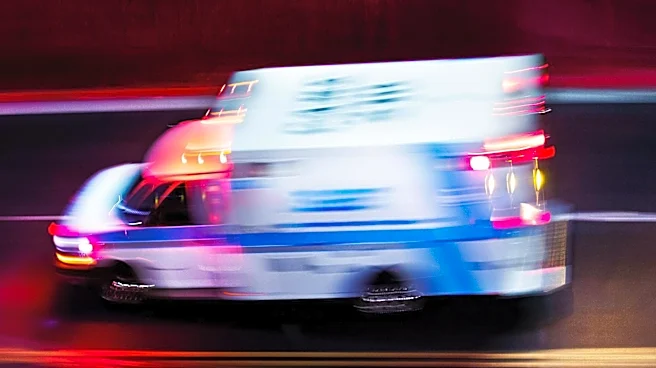
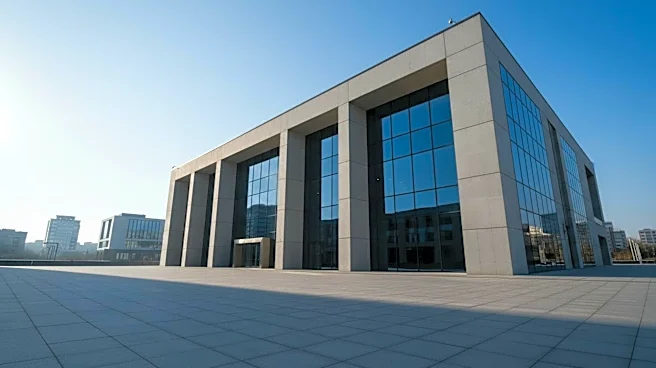
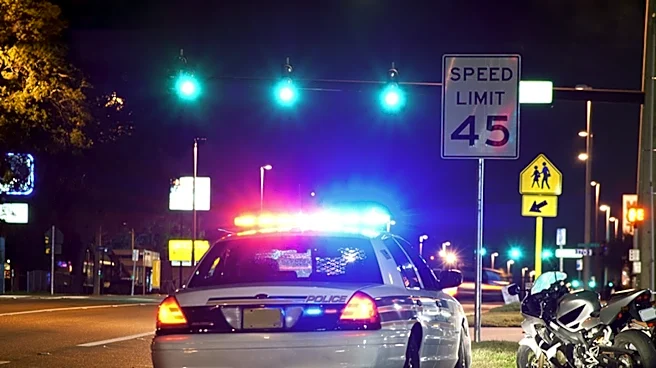
Saints. One person was killed, and two others were injured. Following the shooting, officers pursued a vehicle carrying one of the victims to Intermountain Medical Center. The hospital initiated a precautionary lockdown, diverting ambulances and deploying a heavy police presence, including SWAT teams, snipers, and an armored car. Hospital officials, including IHC spokesman Jess Gomez, assured the public that there was no active threat inside the facility and that patients and caregivers were safe. Unified Police Assistant Chief Justin Hoyle stated that officers responded to the hospital due to the number of people attempting to see the victims.
Why It's Important?
The incident highlights the challenges faced by law enforcement and healthcare facilities in managing the aftermath of violent events, particularly when they involve multiple victims and potential for further conflict. The strong police response, including specialized units like SWAT and snipers, and the hospital lockdown, underscore the heightened security concerns and the need for rapid, decisive action to ensure public safety. The event also raises questions about the intelligence gathering and decision-making processes that lead to such extensive deployments, as noted by former Salt Lake Police Chief Chris Burbank. The disruption to hospital operations, including ambulance diversions, demonstrates the broader impact on healthcare services and emergency response systems during critical incidents. This situation could influence future protocols for managing similar events, balancing public safety with the need to maintain essential services.
What's Next?
Authorities will likely continue their investigation into the funeral shooting to identify those responsible and determine the motive behind the violence. The police response at the hospital, particularly the scale of the deployment, may be reviewed to assess its effectiveness and necessity. Former Salt Lake Police Chief Chris Burbank suggested that there must have been specific intelligence indicating a need for such a strong show of force, possibly related to concerns about retaliation. This implies that further details regarding the intelligence that prompted the extensive police presence might emerge. The incident could also lead to discussions among law enforcement agencies and hospital administrations about refining their joint response protocols for managing situations involving potential threats at medical facilities, ensuring both security and continuity of care.
Beyond the Headlines
The incident at the funeral and subsequent hospital response touch upon several deeper implications. The deployment of SWAT teams and snipers in a seemingly precautionary measure at a hospital raises questions about the increasing militarization of police forces and the threshold for such interventions in civilian settings. While officials cited precautionary measures, the former police chief's comments suggest a potential underlying intelligence that warranted the response, hinting at unseen threats or anticipated escalations. This event could also contribute to public discourse on gun violence, particularly in the context of public gatherings like funerals, and the broader societal impact of such incidents on community safety and mental well-being. The disruption to a healthcare facility, even if precautionary, underscores the vulnerability of essential services to external threats and the complex balance between security and accessibility.