
What's Happening?
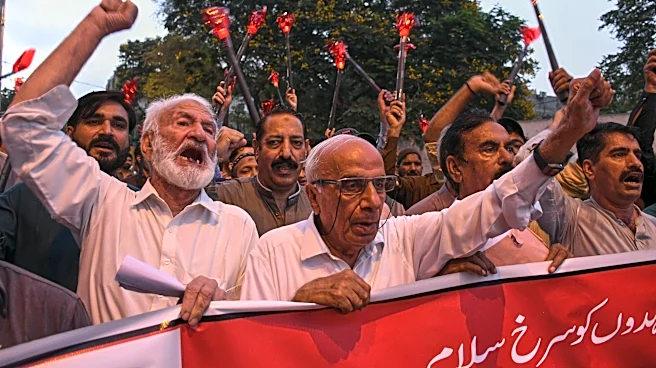
On May Day, also known as International Workers’ Day, large-scale protests and marches took place across the globe, including in the United States. The demonstrations highlighted the ongoing struggles
of workers facing rising energy costs and stagnant wages. In New York, a significant rally was held at Union Square Park, where participants called for stronger labor protections and higher wages. The protests are part of a broader global movement where workers are demanding greater equality and drawing attention to the increasing cost of living. The events in New York were part of a series of demonstrations that spanned continents, from Asia to Europe, emphasizing the universal nature of these labor issues.
Why It's Important?
The May Day protests underscore the persistent challenges faced by workers worldwide, including in the U.S., where economic disparities and the cost of living continue to rise. These demonstrations serve as a reminder of the need for policy changes that address wage stagnation and labor rights. The global nature of the protests highlights the interconnectedness of these issues, suggesting that solutions may require international cooperation and policy alignment. For U.S. workers, the protests could influence domestic labor policies and potentially lead to increased advocacy for workers' rights and economic reforms.
What's Next?
Following the May Day protests, there may be increased pressure on policymakers to address the concerns raised by workers. Labor unions and advocacy groups are likely to continue pushing for legislative changes that improve labor conditions and address wage disparities. In the U.S., this could lead to renewed discussions on minimum wage laws and labor rights protections. The visibility of these protests may also encourage more workers to join unions or participate in advocacy efforts, potentially leading to a stronger collective voice in future negotiations.