



What's Happening?
Governor Kathy Hochul is leading her political opponents, Rep. Elise Stefanik and Nassau County Executive Bruce Blakeman, in the latest Siena Poll of New York State registered voters. Hochul holds a 19-point lead over Stefanik and a 25-point lead over Blakeman.
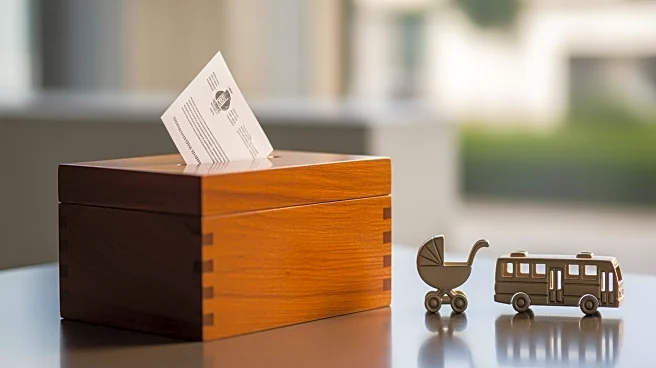
The poll also reveals strong voter support for universal free childcare for infants through pre-K, funded by increased taxes on New Yorkers earning over $1 million. Additionally, New York City voters narrowly support eliminating bus fares, also funded by increased taxes on high earners. The poll highlights Hochul's favorability and job approval ratings, which have improved slightly, while Stefanik and Blakeman remain less known among voters.
Why It's Important?
The poll results are significant as they reflect voter sentiment ahead of upcoming elections, indicating strong support for Governor Hochul's policies and leadership. The backing for universal childcare and transit initiatives suggests a public willingness to support social programs funded by taxing the wealthy. This could influence future policy decisions and campaign strategies. Hochul's lead over her opponents underscores her current political strength, while the need for Stefanik and Blakeman to increase their visibility and favorability among voters is evident. The poll also highlights broader political dynamics, such as the public's perception of the Trump administration's actions and the favorability of other political figures like Mayor-elect Zohran Mamdani.
What's Next?
As the election approaches, candidates will likely focus on increasing their visibility and addressing key voter concerns highlighted in the poll. Hochul may continue to promote her policy initiatives, while Stefanik and Blakeman will need to work on improving their recognition and favorability among voters. The support for childcare and transit initiatives could lead to further policy discussions and legislative proposals. Additionally, the evolving political landscape, including the public's perception of national figures and policies, will continue to shape campaign strategies and voter engagement efforts.